


Grey Marine Watercolour Art
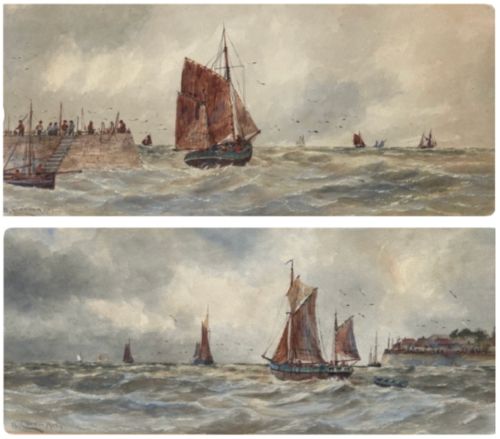
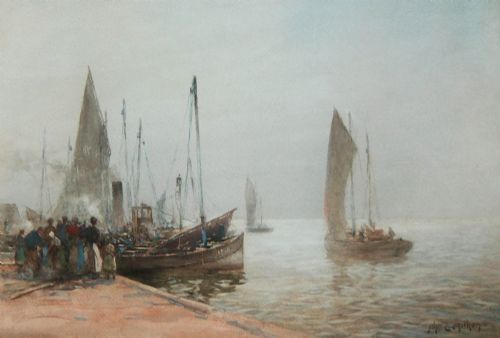
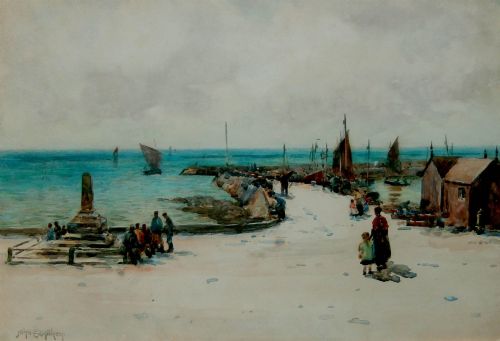
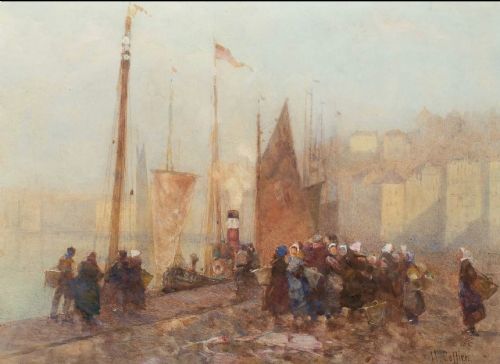
Grey marine watercolour art captures coastal harbours, fishing boats and naval vessels through pigment on paper spanning the Victorian era to the mid-twentieth century.
Grey Marine Watercolour Art
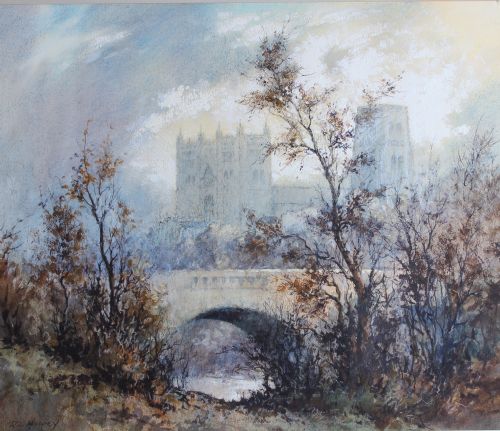
Grey marine watercolour art encompasses historical paintings of ships, harbours, and coastal scenes rendered predominantly in restrained tonal palettes. Buyers encounter works capturing specific British ports such as Whitby, Scarborough, and St Ives, alongside naval vessels and commercial shipping.
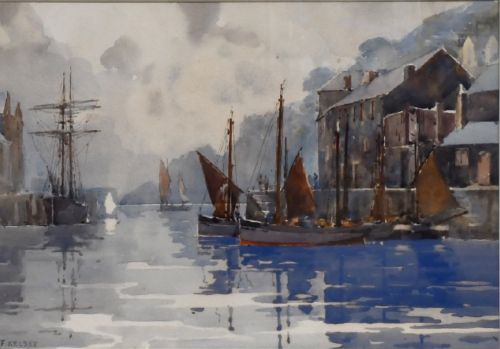
The selections span from the late nineteenth century through the Edwardian period and into the mid-twentieth century. Most examples depict maritime activity, including fishing luggers, barques at anchor, and coastal architecture under overcast skies.
Artists record specific locations ranging from Scottish coastal towns to Cornish fishing ports. The works appear on paper and watercolour board, frequently preserved within period wooden frames behind glass.
Materials and technique
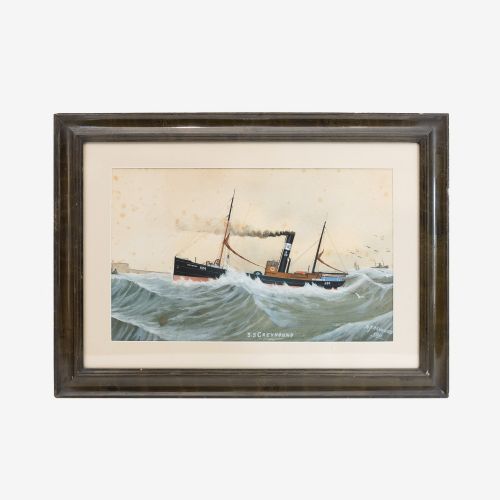
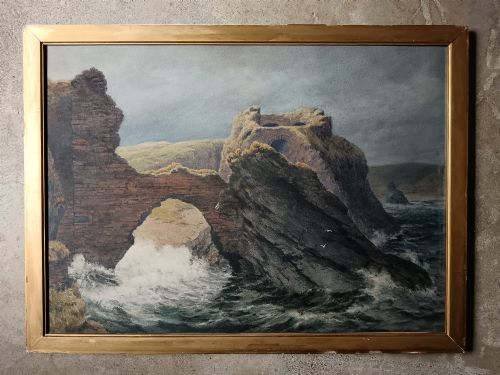
Watercolour pigment applied to paper forms the primary medium for these marine scenes. Painters frequently incorporate gouache alongside transparent washes to build opaque highlights on crashing waves, vessel hulls, and billowing sails.
Paper supports receive fluid applications of grey and neutral washes to establish heavy overcast skies and turbulent seas. Detail work emerges through controlled brushstrokes defining rigging, masonry, and distant coastal shipping.
Listings feature works created on paper using watercolour and gouache, dating from the late nineteenth century through to the 1950s.
Judging the work
Quality rests upon the artist's ability to suggest atmospheric conditions and maritime movement with economy and precision. Stronger examples demonstrate confident handling of water and sky, capturing the weight of sea mists and grey North Sea swells.
Compositional balance distinguishes accomplished marine painting from routine topographical recording. The placement of vessels within the harbour or against open water directs the eye through space while maintaining tonal harmony across the grey palette.
Thomas Bush Hardy·Edward Seago·Hector Caffieri·Clara Montalba·Vincenzo D Esposito
The Grey Marine Watercolour Art Glossary
- Watercolour
- A painting method in which the paints are made of pigments suspended in a water-based solution. The paper support remains partially visible to let light reflect through translucent washes.
- Gouache
- An opaque water-based paint containing pigment mixed with a binding agent and white filler. It provides solid highlights and dense coverage for foaming water and clouds.
- Seascape
- A work of art depicting the sea, coastal views, or marine shipping. These pieces focus primarily on maritime environments and nautical activity.
- Barque
- A sailing vessel with three or more masts. Painters record these large commercial ships at anchor or navigating coastal waters.
Grey Marine Watercolour Art: Frequently Asked Questions
How should I frame an antique maritime watercolour?
Preserve these watercolours behind glass using conservation mounting to protect the paper from humidity and atmospheric pollutants. Neutral mount boards complement the restrained grey tones without distracting from the pigment.
Select simple wood frames that reflect the period of the artwork. Avoid placing the painting in direct sunlight to prevent the watercolour pigments from fading.
What subjects appear in grey marine watercolours?
These works depict fishing fleets in Yorkshire and Scottish harbours, commercial sailing ships, and naval vessels. Scenes often feature piers, coastal towns, and estuaries under dramatic overcast skies.
Artists also recorded specific vessels, from ironclad battleships to local cobles and drifters. The focus remains on maritime labour, coastal architecture, and weather conditions.
How do I date a nineteenth century marine painting?
Examine the costume of any figures depicted, the rig and architecture of the ships, and the framing style. Signatures and dates inscribed by the artist provide definitive chronological markers.
Paper characteristics, watermarks, and inscriptions on the reverse offer further clues to the period. Comparing stylistic elements with known works by contemporary artists helps narrow the timeframe.
Why use gouache with watercolour?
Artists combine gouache with watercolour to introduce opacity and bright highlights into the composition. This technique allows painters to render foaming surf, white sails, and breaking clouds against transparent grey washes.
The addition of body colour creates tonal contrast and textural depth across the paper surface. It strengthens the illusion of heavy sea mists and breaking light.