



Grey Marine Canvas Painting
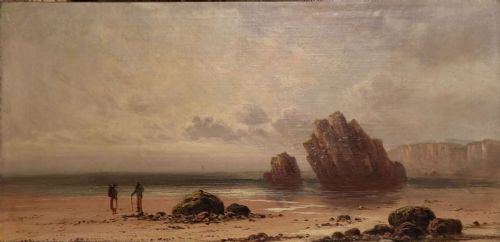
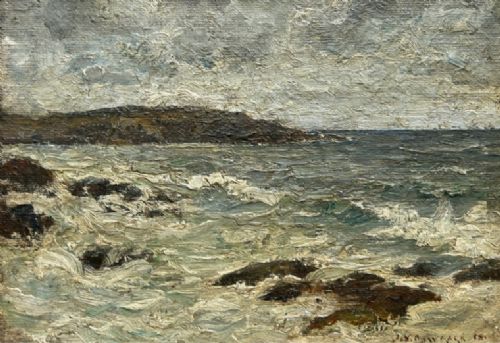
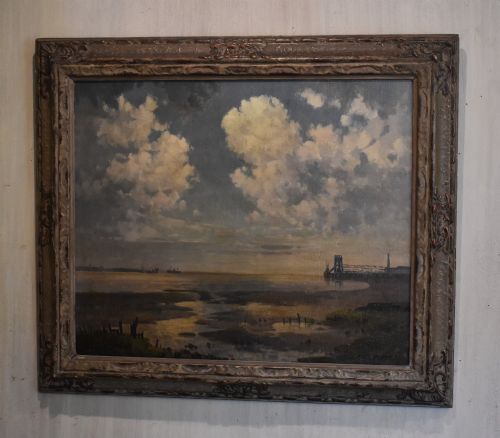
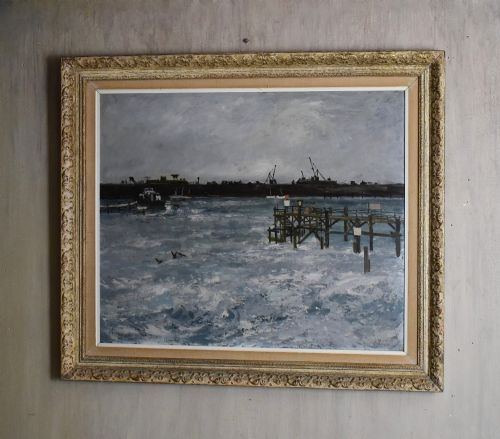
Grey marine canvas painting brings together coastal views, stormy seas and working harbours rendered in oils across the nineteenth and twentieth centuries.
Grey Marine Canvas Painting
When you search for grey marine canvas painting, you encounter maritime scenes, coastal landscapes and harbour views created predominantly in oil paint. The pieces on this page span from the nineteenth century through the mid twentieth century, encompassing British impressionism, Victorian marine art and twentieth century realism.
You will most frequently meet works executed on canvas or board depicting rocky beaches, estuaries, sailing ships and industrial ports. These range from traditional Victorian coastal depictions to later modernist and impressionist interpretations of the sea.
How they were made
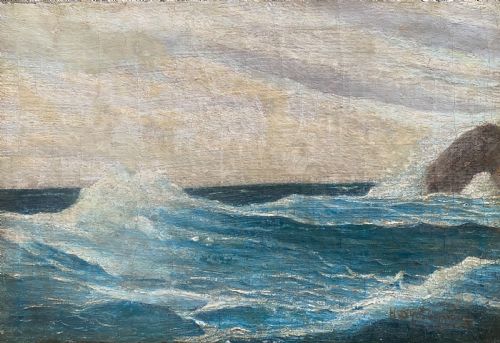
Artists painted these works primarily using oil paint applied to stretched canvas or wooden board. Many examples utilise impasto techniques, building up thick layers of pigment to capture the texture of crashing waves and turbulent skies.
Framing often includes gilt surrounds that complement the maritime subjects. The physical support relies on traditional wooden stretchers or rigid boards to hold the oil medium securely over decades.
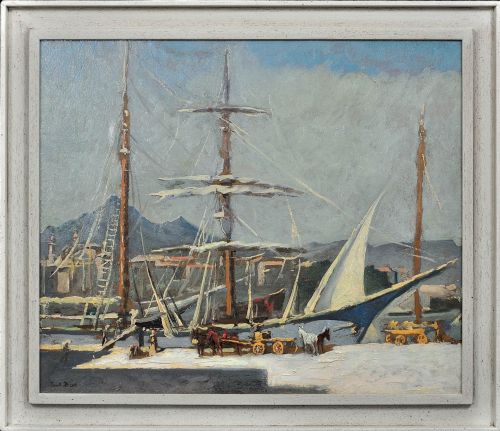
Several canvases capture the turbulent waters navigated by five-masted sailing ships and old river barges.
What varies in quality
Quality rests upon the artist's command of light, atmosphere and maritime movement within the oil medium. Stronger works demonstrate confident handling of brushwork and impasto, effectively conveying the weight of the sea and the structural detail of vessels.
The sophistication of composition and the specific rendering of historical shipping or coastal topography distinguish accomplished pieces from standard decorative works. Attribution to recorded painters further establishes the standing of an individual canvas.
Kenneth Cozens·Clive Browne·Peter Brannan·Paul Bret·Dubovsky·Raymond Picque·Fred Pailhes·Edward Henry Eugene Fletcher·William Greaves·Charles Sim Mottram·Pauwels·Owen Bowen·George Gregory·John Callow·Paul Jean Clays·John Davison Liddell·Herbert James·Lamotte·Frank Myers Boggs·E Elliot·Bertram Priestman·John W Gilroy
The Grey Marine Canvas Painting Glossary
- Impasto
- Paint applied thickly to a canvas or board, standing out in relief from the surface. This technique allows the artist to build physical texture into crashing waves and stormy skies.
- Canvas
- A closely woven fabric stretched across a wooden frame to serve as a sturdy foundation for oil paintings. It provides the primary support surface for the majority of these maritime works.
- Maritime art
- Works of art that depict or draw inspiration from the sea, ships, beaches and coastal environments. This genre encompasses historical shipping scenes as well as modern coastal landscapes.
- Board
- A rigid wooden or composite panel utilised as a flat painting surface instead of woven fabric. Artists frequently employed board for smaller oil sketches and studies.
Grey Marine Canvas Painting: Frequently Asked Questions
What periods do these paintings cover?
The listings span from the eighteenth and nineteenth centuries through the 1950s and 1960s. This broad chronological range includes Victorian maritime works alongside mid-twentieth-century post-impressionist and modernist interpretations.
Buyers will find specific dates referenced in individual piece titles, ranging from around 1800 to post-war British and French examples.
How were these marine scenes used?
These works served primarily as fine art wall decorations for domestic interiors, capturing the expanding maritime trade, coastal life and naval power of their respective eras. Collectors and marine enthusiasts displayed them in homes and public offices.
Today, they function as historical records of working harbours, historical sailing vessels and changing coastal topographies.
How do I live with an oil painting?
Oil paintings on canvas or board require stable indoor environments away from direct sunlight and extreme humidity fluctuations. Proper hanging involves securing the piece to a sturdy wall using appropriate fixings suited to the weight of the frame.
Dusting the surface gently with a soft, dry brush helps maintain the pigment and gilt frames over time without damaging the oil layers.
How can I tell periods apart?
Nineteenth-century pieces often favour detailed realism, traditional shipping subjects and academic coastal compositions. Twentieth-century works frequently introduce looser brushwork, impasto textures and modernist perspectives influenced by impressionism.
Examining the materials, framing style and artist signatures helps place each canvas within its correct historical decade.