



Grey Harbour Painting
When you search for a grey harbour painting, you find atmospheric works capturing maritime life on canvas and paper.
Grey Harbour Painting
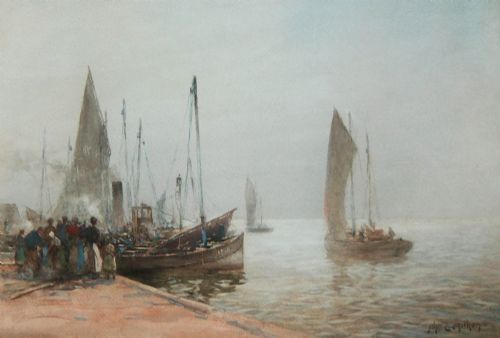
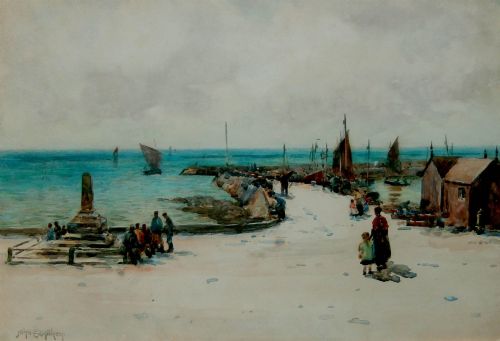
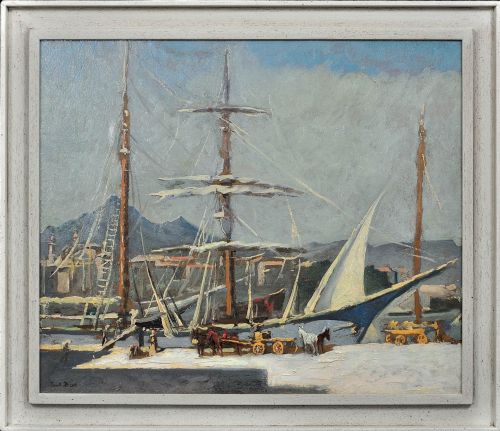
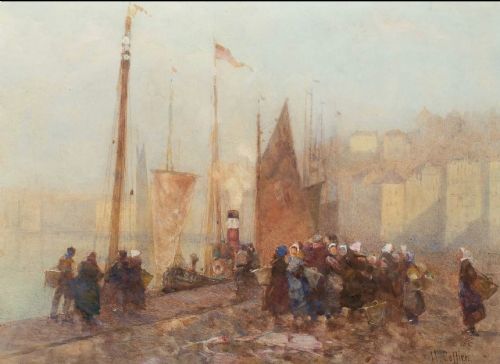
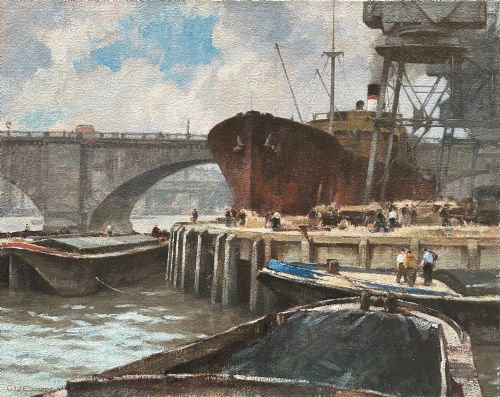
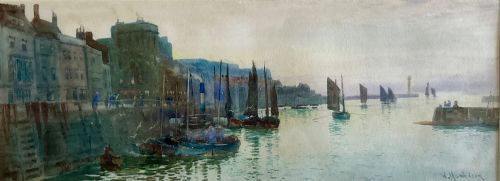
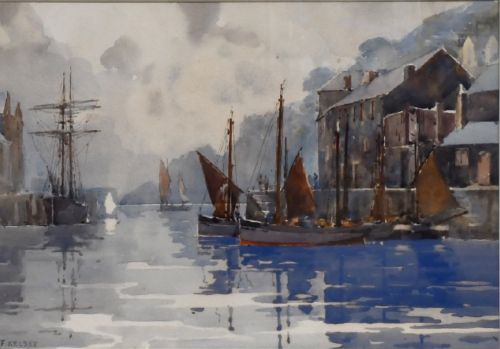
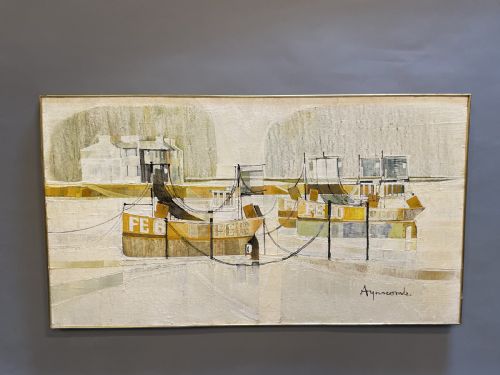
A grey harbour painting depicts coastal scenes, maritime vessels, and bustling ports rendered in muted tones. These works capture the industrial and natural rhythms of seaside life, focusing on shipping berths, fishing fleets, and tidal waters.
The selection ranges from early nineteenth-century watercolours to mid-century modern oil paintings. Common subjects include British and European havens, featuring specific ports from Whitby and St Ives to foreign coastal destinations.
Most examples originate from the Edwardian era through the mid-twentieth century, aligning with movements like British Impressionism and Post-Impressionism. Artists utilise these coastal settings to explore atmospheric light, overcast skies, and weathered maritime architecture.
Materials and Techniques
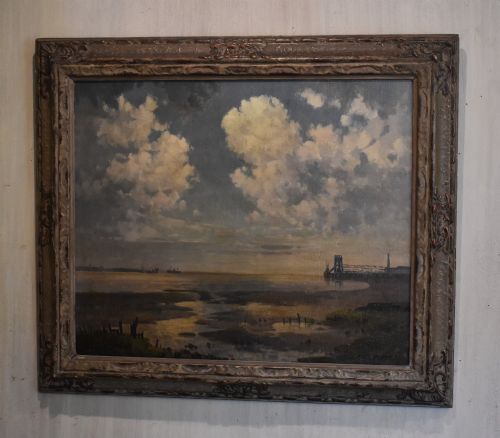
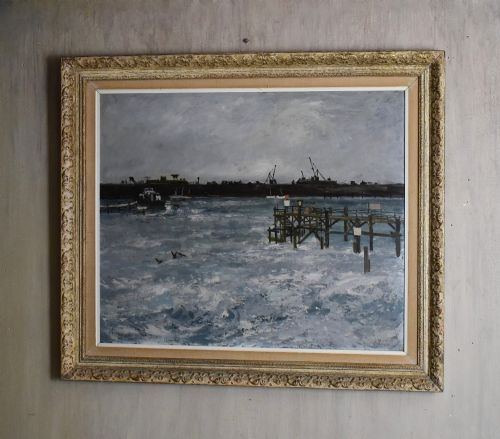
Artists painted these coastal views using oil paint on canvas or board, and watercolour pigment on paper. The choice of medium dictated the texture, allowing oils to build heavy impasto for stormy seas whilst watercolours offered translucent washes for misty skies.
Works on paper typically rely on delicate brushwork to capture light reflecting off damp stone quays and grey waters. Oil paintings employ layered pigments to build depth in depictions of historic vessels and overcast maritime horizons.
Materials recorded include watercolour pigment, oil paint, and ink across British and continental European coastal subjects.
Factors That Separate the Range
Quality rests upon the artist's ability to handle atmospheric light and capture the specific character of a working port. Superior pieces demonstrate confident brushwork and precise tonal control, particularly when rendering overcast skies and reflective water.
The strength of the composition and the historical documentation of the vessel or location distinguish finer examples from standard topographical records. Provenance linked to established marine artists or exhibition history elevates the standing of a piece.
James E Aitken·Thomas Bush Hardy·Hector Caffieri·William Matthison·Frank Kelsey
The Grey Harbour Painting Glossary
- Watercolour pigment
- A colour medium suspended in a water-soluble binder, applied to paper to create luminous washes.
- Oil paint
- A slow-drying paint made with particles of pigment suspended in a drying oil, typically linseed.
- British Impressionism
- A late nineteenth and early twentieth-century painting movement focusing on everyday subject matter and natural light.
- Post-Impressionism
- An art movement extending Impressionism while rejecting its limitations, emphasising symbolic content and formal order.
- Impasto
- The process of applying paint thickly on a canvas so that it stands out from the surface.
- Provenance
- The chronology of the ownership, custody, or location of a historical artwork.
Grey Harbour Painting: Frequently Asked Questions
What periods do these paintings span?
The works stretch from the nineteenth century into the mid-twentieth century. Most examples date from the Edwardian period through to the nineteen-fifties.
Artists across these decades documented changing maritime technologies and industrial ports. The styles shift from traditional Victorian marine scenes towards British Impressionism and post-impressionist interpretations.
How should I display a watercolour?
Watercolours require careful framing behind conservation glass to protect the pigments from ultraviolet light. Direct sunlight causes fading on paper works.
Hang them on interior walls away from direct heat sources and damp environments. Proper mounting prevents the paper from touching the glass directly.
How do I identify the location?
Many pieces feature contemporary inscriptions, signatures, or exhibition labels on the reverse of the frame or canvas. Artists often titled the work directly on the front or lower margin.
Local architectural landmarks, such as abbey ruins or specific pier structures, help verify the depicted harbour. Researching the artist's known sketching grounds also clarifies ambiguous coastal settings.
What is the difference between oil and watercolour?
Oil paintings utilise pigment bound in drying oil applied to canvas or wood boards, allowing for rich textures and layered colours. Watercolours use water-soluble pigments on paper, creating lighter and more translucent atmospheric effects.
Oils generally require a sturdier frame without glass protection, whereas watercolours need sealed framing to prevent moisture damage. Each medium offers a distinct approach to capturing maritime light and mist.