


Brown Maritime Painting
A brown maritime painting captures the changing moods of the sea, from quiet coastal harbours to dramatic storms.
Brown Maritime Painting
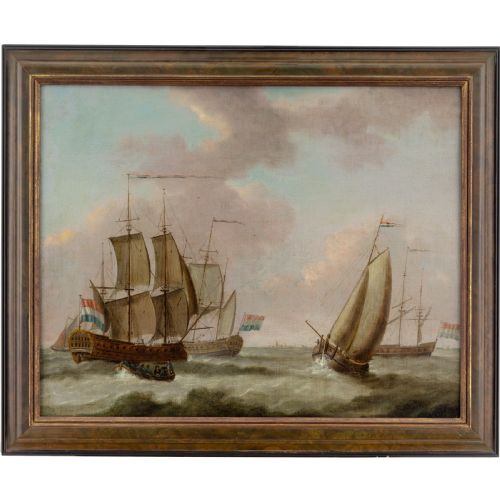
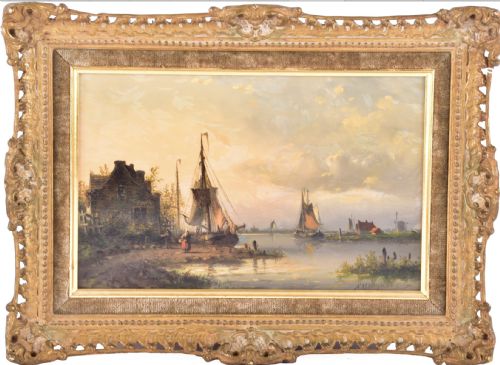
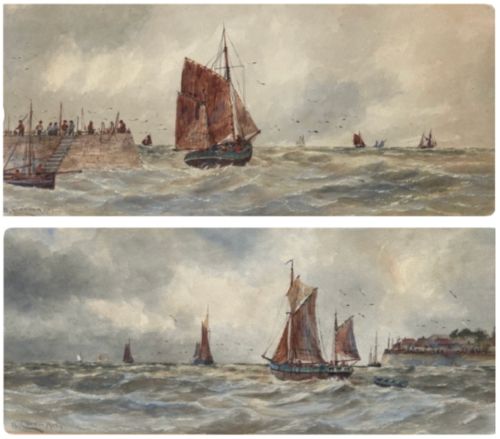
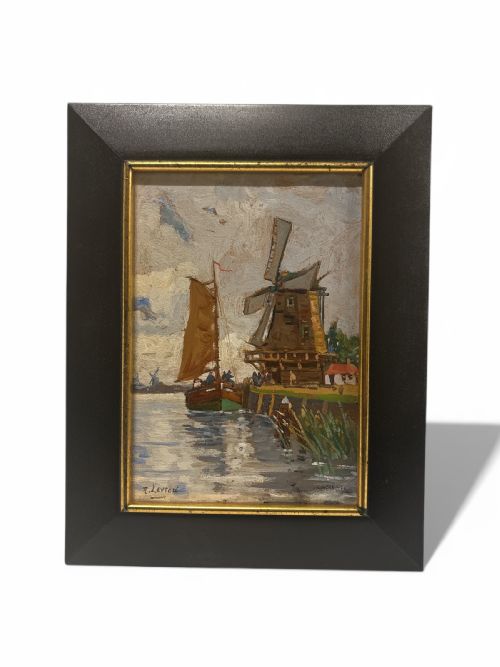
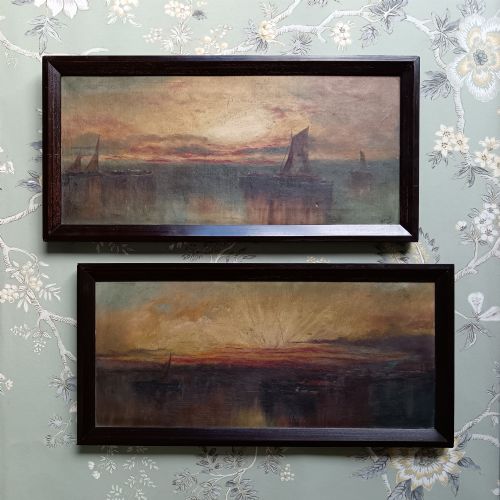
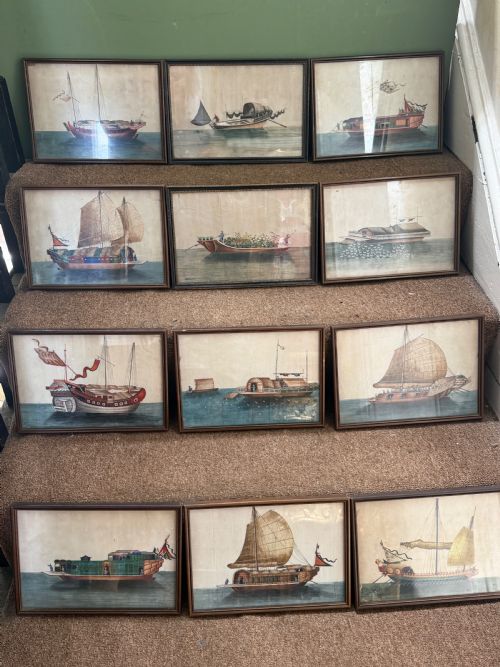
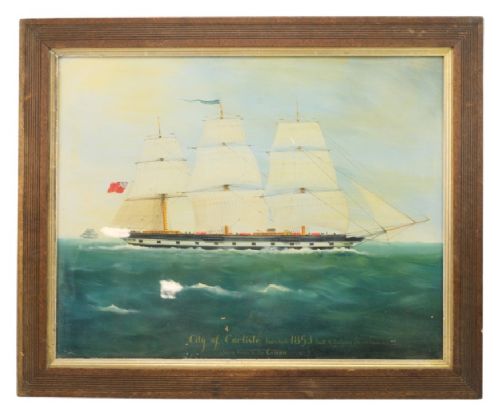
A brown maritime painting brings together coastal scenes, fishing boats, and historic ships rendered in grounded, earthy palettes. These works draw the eye to the rich umbers, siennas, and muted ochres typical of nineteenth-century and early twentieth-century marine art.
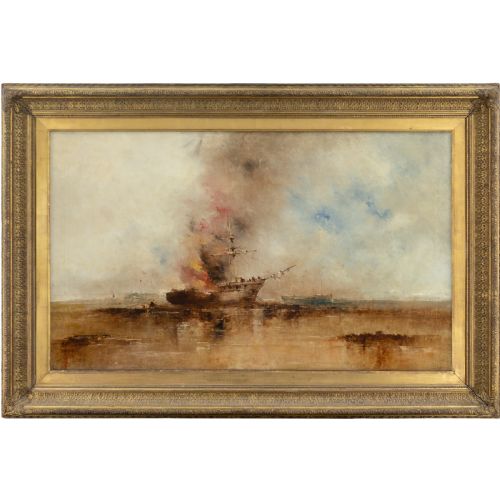
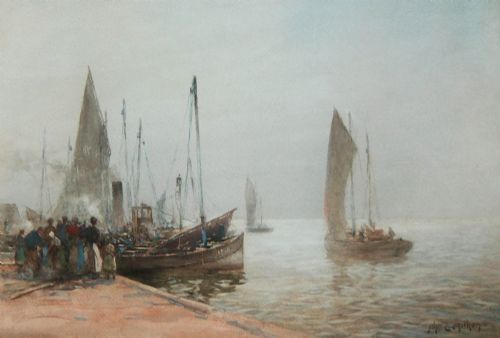
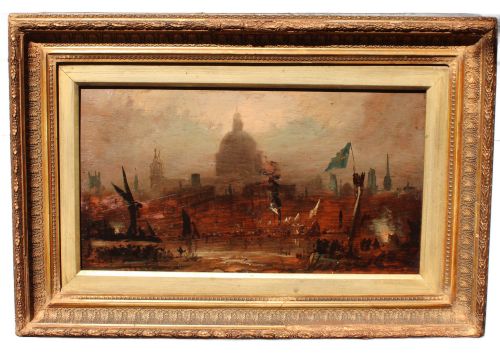
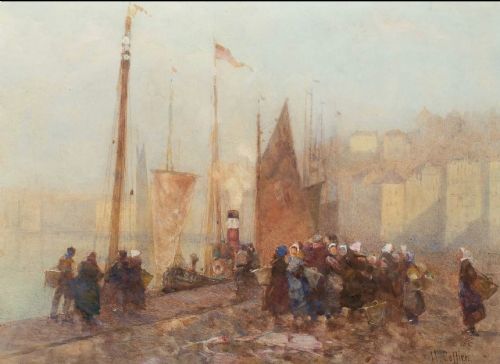
Buyers exploring this phrase will frequently encounter oil paintings on canvas or board alongside detailed watercolours on paper. The subjects range from bustling British harbour docks and fishing luggers to dramatic depictions of vessels in rough waters.
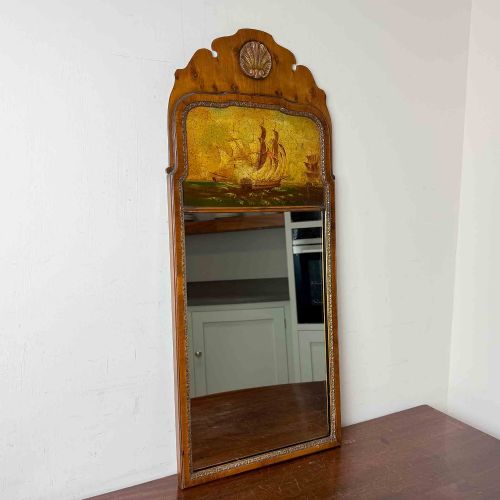
The selections span from the late eighteenth century through the Edwardian period, often reflecting the deep ties between coastal communities and seafaring trade. Framed artwork and wall mirrors with maritime themes also appear among the varied formats.
Materials and technique
Artists relied primarily on oil paint or watercolour applied to canvas, stretched board, or heavyweight paper. Oil paintings allowed for textured build-ups of sea spray and brooding clouds, while watercolours captured the translucent quality of light on coastal estuaries.
Many works incorporate gouache highlights to bring crisp detail to rigging, sails, and distant hulls. Original gilt frames frequently complement the deep brown tones of the compositions, adding structural depth to the presentation.
Distinguishing quality
The strength of a brown maritime painting lies in the artist's command of atmospheric depth and fluid movement. Masterful brushwork communicates the weight of heavy seas and the specific architecture of historical vessels with convincing proportion.
Provenance and legible signatures by documented marine painters elevate certain works significantly. The harmony between the restrained tonal palette and the dynamic movement of water separates standard decorative pieces from accomplished artistic records.
Kenneth Cozens·James Orrock·William Cannon·R Leyton·William McAlpine·B. Nash·James E. Aitken·F. Corpuz·Hector Caffieri·Thomas Creswick·Cyril Walduck Edwards·John Macvicar Anderson·John Moore of Ipswich·Bernard Benedict Hemy·George Stanfield Walters·Alfred George Morgan·Richard Harry Carter·Gyrth Russell·Thomas Webbe·Gustave De Bréanski·Thomas Bush Hardy·Tom Clough
The Brown Maritime Painting Glossary
- Seascape
- A work of art depicting the sea, coastlines, or marine vessels in various weather conditions. These compositions focus heavily on water, sky, and maritime atmosphere.
- Lugger
- A traditional small fishing vessel carrying lug sails on one or more masts. They are frequently seen in coastal scenes from the nineteenth and early twentieth centuries.
- Gouache
- An opaque water-based medium often used alongside watercolour to add bright highlights. It provides dense, matte coverage ideal for crisp details on sails and foam.
- Diorama
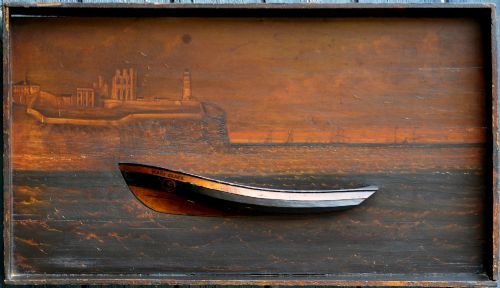
- A three-dimensional scene, often featuring model ships within a framed and painted setting. These objects combine painting techniques with physical craft to create realistic depth.
Brown Maritime Painting: Frequently Asked Questions
What subjects appear in these paintings?
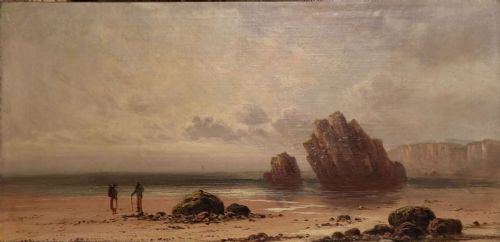
The compositions show coastal beaches, bustling harbours, and ships navigating rivers or open seas. Common motifs include fishing boats, steamships, and historic naval vessels.
Many scenes capture specific British and European locations, from Whitby and the River Thames to Dutch ports and coastal inlets.
How do I date a maritime painting?
Dating relies on the ship types, clothing of figures, and artistic style visible in the work. Ironclad battleships, steamships, and specific rigging styles help narrow down the era.
Signatures, artist registry dates, and framing materials also offer reliable clues to the period of creation.
Where were these artworks displayed?
These paintings were traditionally hung in maritime merchants' offices, seaside homes, and Victorian parlours. They served as sentimental tributes to seafaring life and international trade.
Today, they suit studies, living rooms, and hallways that complement historic or traditional interiors.
What is the difference between oil and watercolour?
Oil paintings utilise thick pigments on canvas or board, allowing for rich textures and deep, brooding brown tones. Watercolours are executed on paper, offering a lighter and more transparent rendering of light and water.
Both mediums were used extensively by marine artists to capture different atmospheric conditions at sea.