
Grey Framed Artwork
Grey framed artwork brings together paintings, drawings and prints housed within timber frames, offering centuries of historic character.
Grey Framed Artwork
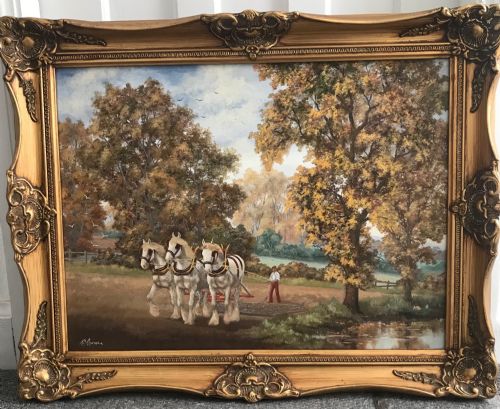
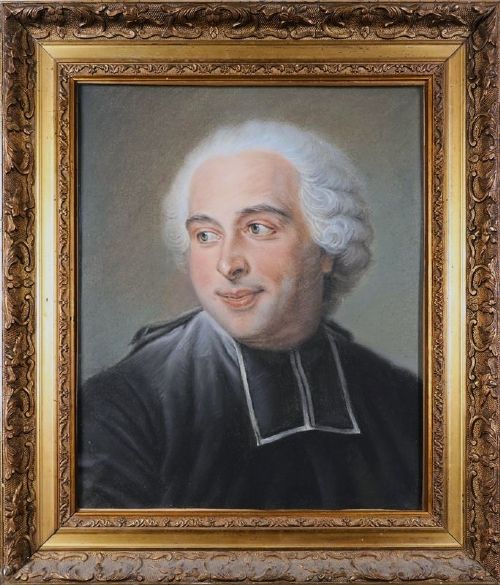
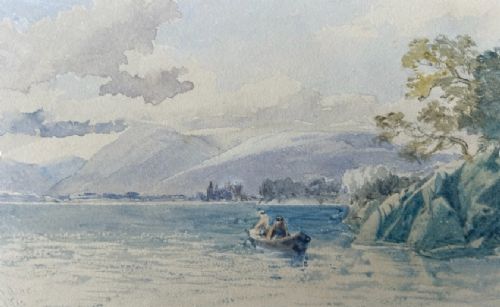
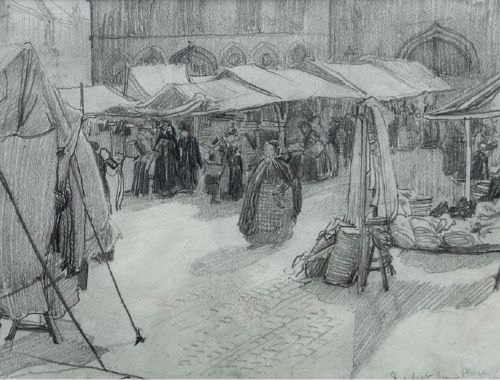
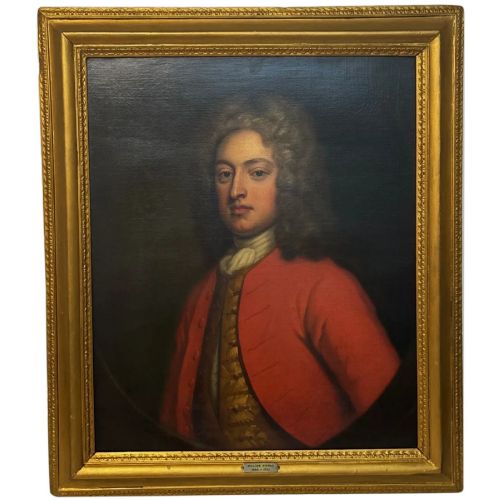
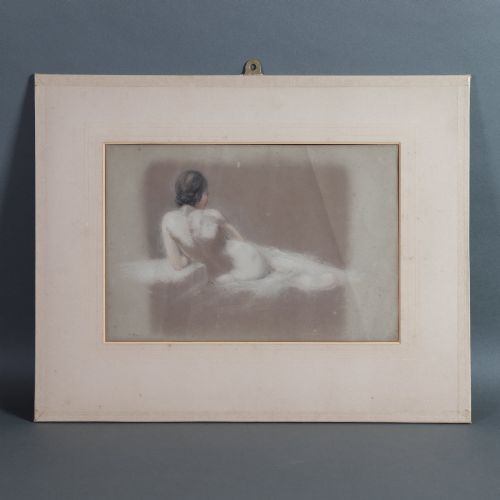
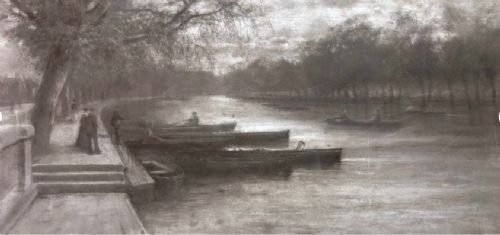
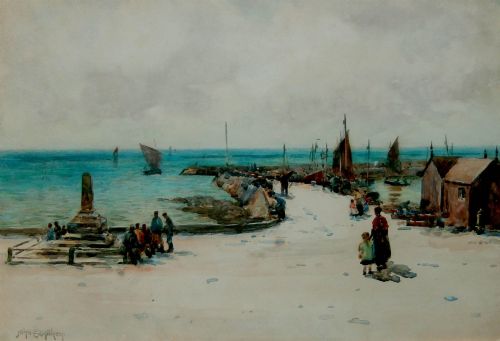
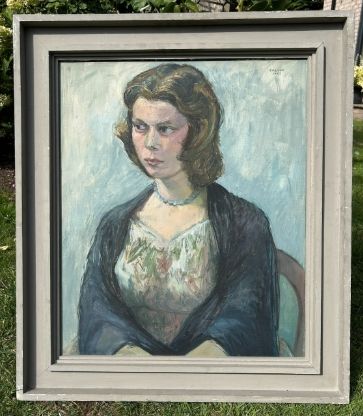
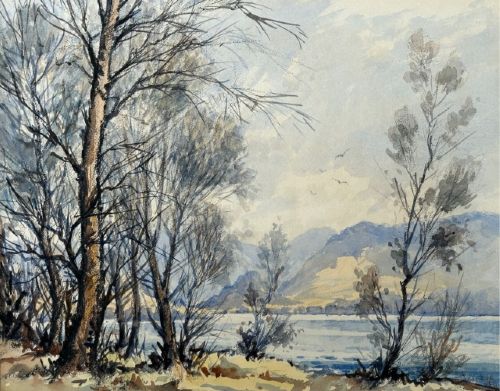
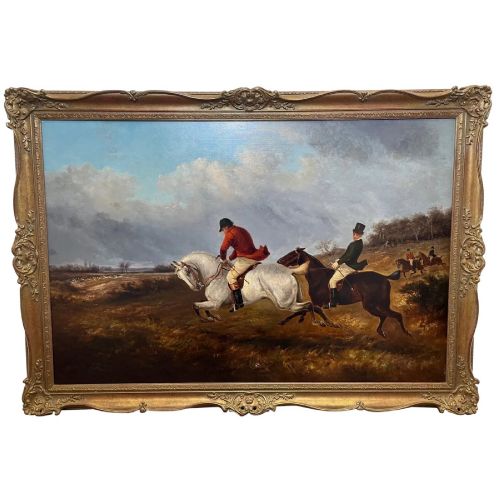
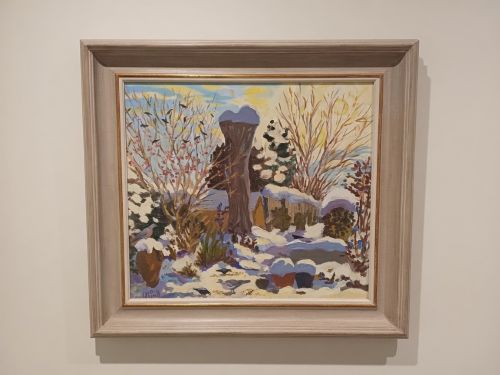
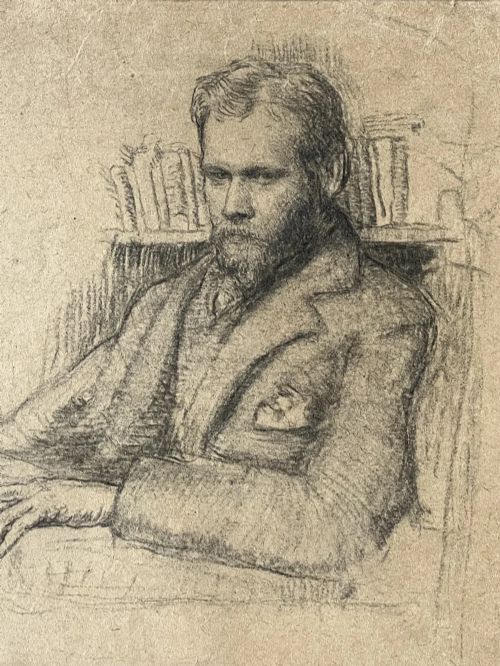
When searching for grey framed artwork, collectors encounter a diverse selection of pieces ranging from eighteenth-century portraits and nineteenth-century watercolours to mid-century modern canvases. The selection spans oil paintings, pastel portraits, charcoal drawings, lithographs and mixed media studies created by various British and international artists.
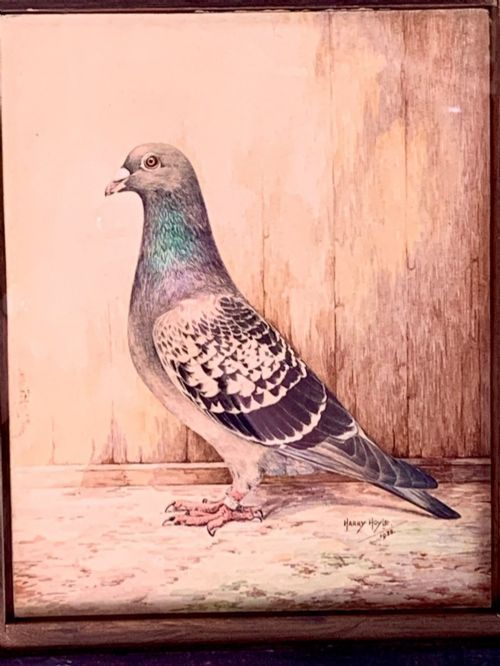
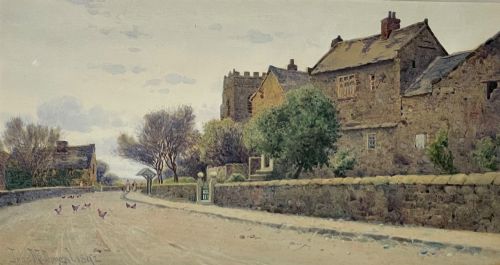
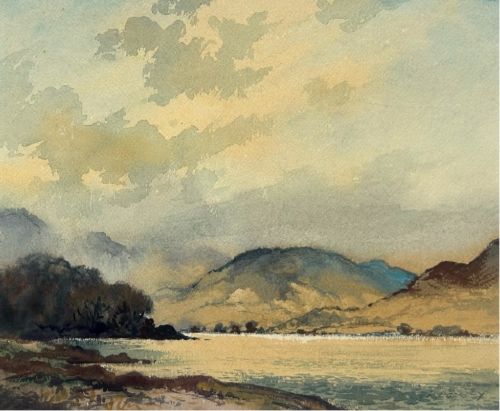
The pieces encompass subjects such as equine scenes, landscapes, coastal views, and figurative studies. Many items originate from defined periods including the Victorian era, the 1930s, and the 1960s, reflecting changing artistic movements from British Impressionism to Mid-Century Expressionism.
Materials and construction
The pieces rely on traditional artistic supports such as paper, canvas, and wood, utilised alongside oil paint, watercolour, gouache, pencil, and pastel. Works on paper often employ charcoal, ink, or lithography to achieve distinct linear qualities and tonal depth.
The physical presentation depends heavily on wood framing and glass protection, which safeguard delicate watercolours and drawings over centuries. Selected works incorporate impasto techniques or mixed media layers to build tactile surfaces upon the canvas.
Listings feature works created across eight distinct periods, spanning from the 18th Century through to the 1960s.
Assessing the works
Quality separates through the skill of the draughtsman or painter, evident in the handling of light, anatomical precision in figurative and equine subjects, and compositional balance. Works by documented artists command closer attention for their distinct stylistic execution.
The condition of the underlying paper or canvas, the stability of the medium, and the preservation of the original or period wood frame influence the overall integrity of the piece.
Thomas Miles Richardson Jnr·Henry Percy Huggill·John McDougal·Robert Leslie Howey·William Etty·Marc Chagall·Clive Browne·Peter Brannan·Paul Bret·JOHN MICHAEL WRIGHT·James Fry·Thomas Maidment·Christine Nesbit·Brian Shields Braaq·William Albert Clarke·Stuart Walton·Lilian Colbourn
The Grey Framed Artwork Glossary
- Gouache
- An opaque water-based paint that dries to a matte finish, often combined with watercolour in nineteenth-century works.
- Impasto
- A technique where paint is laid thickly on a surface, leaving visible brush or palette knife marks that catch the light.
- Lithography
- A planographic printing process utilising stone or metal plates to produce multiple impressions, seen in mid-century prints.
- Provenance
- The documented history of ownership of an artwork, establishing its authenticity and timeline through previous collections.
Grey Framed Artwork: Frequently Asked Questions
What periods do these artworks represent?
The selection spans multiple centuries, including the eighteenth, nineteenth, and twentieth centuries. Specific eras such as the Victorian period and the 1930s or 1960s are frequently represented.
Buyers find everything from early portraits to mid-century landscapes, showcasing shifts in framing and artistic technique over time.
How are these pieces traditionally displayed?
These works are housed within wood frames, often designed to complement the period and medium of the painting or drawing. Drawings and watercolours typically feature glass protection to prevent environmental damage.
Displaying them requires stable indoor conditions away from direct sunlight to protect sensitive pigments on paper and canvas.
What mediums are common in this collection?
Artists utilised oil on canvas, watercolour, pencil, charcoal, and gouache across different centuries. Mixed media and lithographs also appear among the twentieth-century selections.
Each medium interacts differently with its wood frame and protective glass, requiring specific preservation methods.
How can I tell different art styles apart?
Styles range from Neoclassical and Georgian portraits to British Impressionism and Mid-Century Modern landscapes. Examining the brushwork, colour palette, and subject matter reveals the prevailing artistic movement of the era.
Signatures, dates, and framing styles often provide additional clues regarding the precise origin of the piece.