
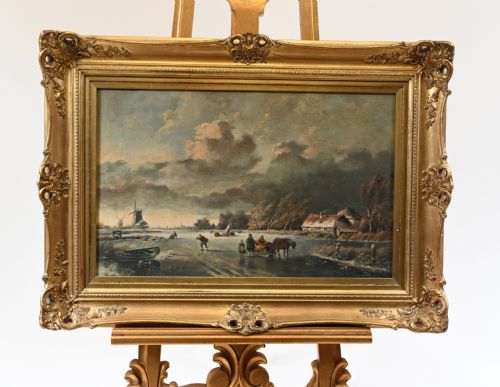


Vintage Winter Landscape
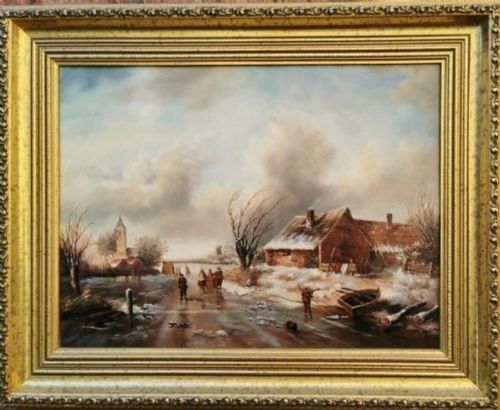
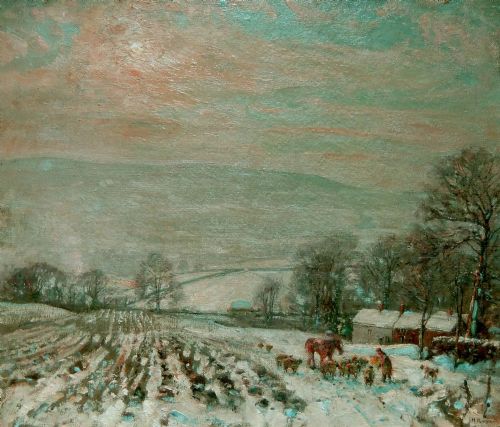
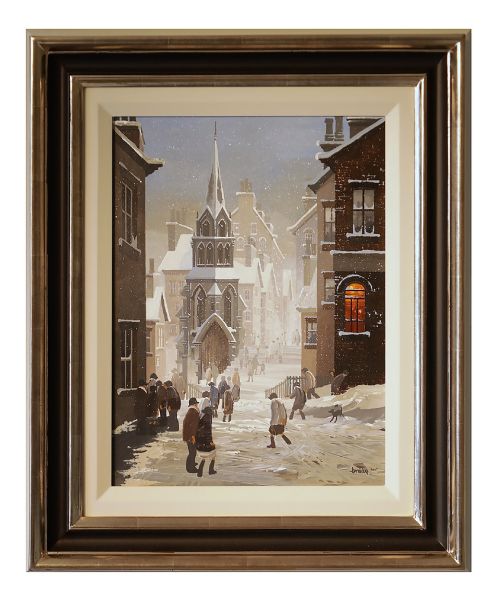
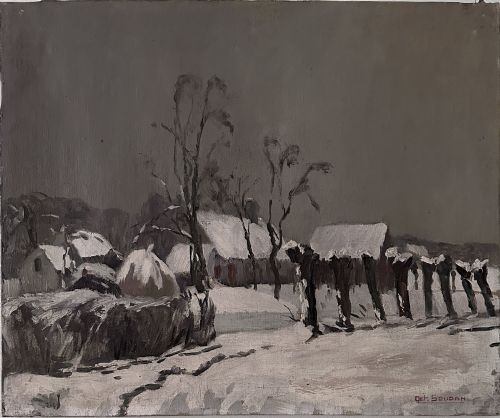
These pieces capture a vintage winter landscape, bringing snow-draped scenes and freezing rural quiet onto the wall.
Vintage Winter Landscape
A vintage winter landscape records the stillness and chill of snow-covered fields, frozen lakes and frosted villages across changing decades. Buyers searching this phrase encounter painted views that span from the nineteenth century through the mid-twentieth century, capturing pastoral quiet and snowy weather.
The selections on this page appear most frequently as oil paintings on canvas or board, alongside watercolours on paper. Subjects range from Dutch-influenced frozen canals and English Yorkshire dales to figures skating, collecting firewood or driving sheep through snow.
Makers in these listings work within traditions such as British Impressionism, the Dutch School and Edwardian Pastoral styles. Works vary from intimate watercolours to large mid-century oil paintings.
How They Were Made
Artists apply oil paint to canvas or wooden panels, building up thick layers of pigment to render the heavy texture of snow and frost. Watercolours on paper utilise fluid washes and ink to capture mist, pale winter light and grey skies.
Support materials include prepared canvas stretched over wooden frames, sturdy boards and heavyweight paper sheets. Many works retain their original gilt or wooden frames which complement the painted surface.
Several paintings record figures persistently chopping firewood and skating on ice while sheep wander through the snow.
What Varies in Quality
Quality rests in the artist's handling of light, shadow and the cold atmosphere unique to snowy weather. Stronger works convey depth and temperature through confident brushwork rather than flat application of white pigment.
Composition and regional character set individual pieces apart, separating generic snow scenes from specific observed locations with distinct trees, figures and architecture.
Brian Shields Braaq·Thomas Hicks·John Hobson Nicholson·Ernest Uden·Arthur Winter Shaw·Herbert Royle·W Tatton Winter·Pieter Cornelis Steenhouwer·George Graham·John Richard Worsdale·Emily M Paterson·Louis Smets·Eveline Lance·Fred Lawson·Olle Nordberg·Maurice Long
The Vintage Winter Landscape Glossary
- Canvas
- A heavy woven fabric stretched across a wooden frame to serve as a support for oil painting. It provides a flexible yet durable surface that holds thick applications of pigment.
- Watercolour
- A painting method where coloured pigments are suspended in a water-soluble binder on paper. It relies on transparency and the white of the paper to create light.
- British Impressionism
- A painting style developed in Britain focusing on everyday subjects and natural light through loose brushstrokes. It often depicts open-air rural and coastal scenes.
- Dutch School
- A tradition of painting rooted in seventeenth-century Netherlands, noted for realistic landscapes and atmospheric lighting. Later works often emulate this historical focus on ice and winter.
- Gilt
- A thin layer of gold leaf or gold paint applied to wooden frames. It adds a warm reflective border around the artwork.
Vintage Winter Landscape: Frequently Asked Questions
What periods do these pieces date from?
The works span from the nineteenth century through the 1960s, encompassing Edwardian watercolours and mid-century oils.
Earlier examples include nineteenth-century Dutch and British scenes, while later works extend past the mid-century mark.
Which materials are most common?
Oil paint on canvas or board and watercolours on paper form the primary mediums across the selection.
Artists also utilise wood supports, gilt frames and ink to build their winter compositions.
How should I hang a framed artwork?
Select a wall with stable ambient conditions away from direct sunlight and excessive moisture to protect the canvas or paper.
Ensure secure fixings match the weight of the traditional wooden or gilt frame accompanying the piece.
Are these works signed by the artists?
Many pieces feature visible signatures or attribution to listed painters and regional artists.
Signatures often appear in the lower corners of the canvas or paper alongside period inscriptions.