
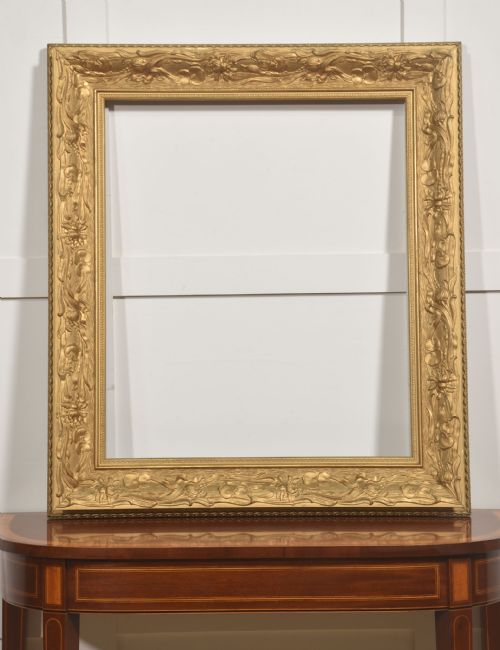


Carved Style Swept Frame
These carved style swept frame examples bring distinct ornamental depth to art and mirrors, offering period character for any interior.
Carved Style Swept Frame
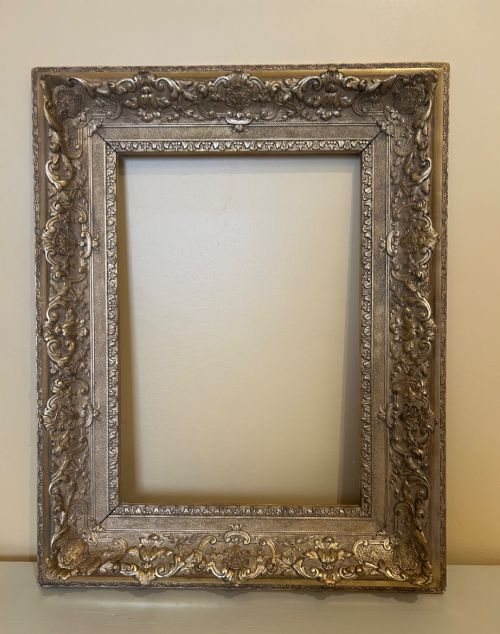
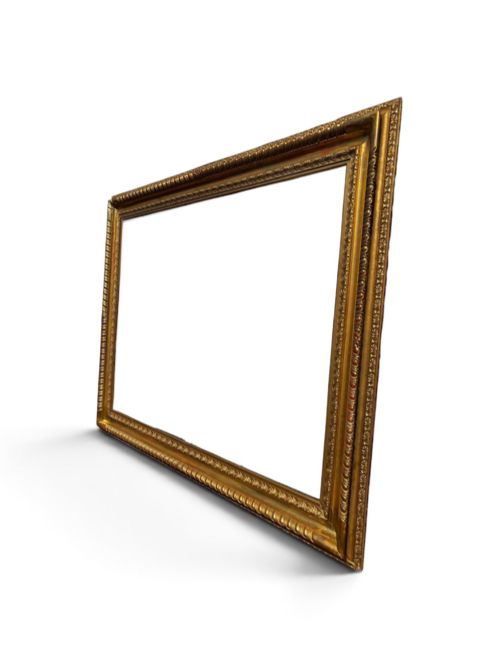
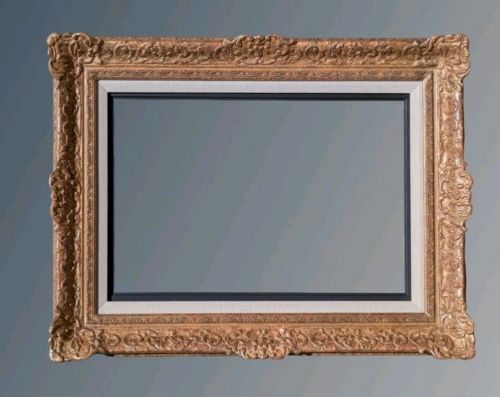
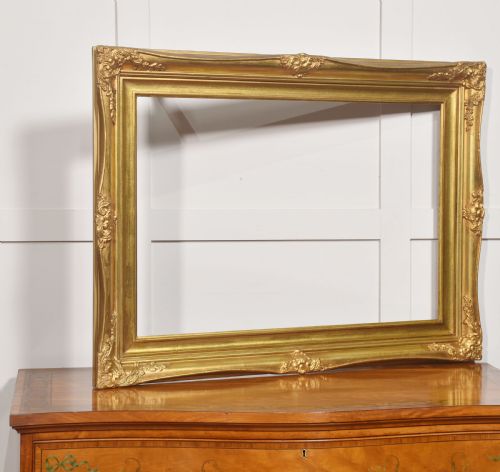
A carved style swept frame combines flowing contours with deep sculptural moulding, creating a prominent border for pictures and mirrors. When searching for a carved style swept frame, buyers encounter pieces primarily originating from the nineteenth and early twentieth centuries alongside earlier seventeenth century examples. These objects take the form of picture frames, paintings, and overmantel mirrors.
The aesthetic vocabulary draws heavily from established decorative movements including Rococo Revival, French Baroque, and Art Nouveau. Examples range from small gesso swept picture frames to large decorative borders designed to house substantial canvases or mirror glass. The construction spans various decades, reflecting shifting ornamental tastes across the nineteenth and early twentieth centuries.
Construction and materials
Makers built these frames using carved wood as a primary structural base, applying gesso layers to build up intricate surface relief. This plaster composition allowed artisans to shape elaborate scrolls and curves before applying decorative finishes.
Giltwood, gold leaf, and painted surfaces complete the exterior, providing the characteristic metallic sheen seen on nineteenth century and earlier examples. The interplay between carved wooden foundations and applied gilding defines the physical presence of these pieces.
Styles represented in the selection include Rococo Revival, French Baroque, Dutch School, and Art Nouveau designs.
Judging quality in carved frames
Quality rests upon the crispness of the carved detail and the depth of the swept profile. Finer examples display hand-modelled gesso work with sharp undercutting and fluid symmetry, whereas simpler pieces show softer contours and coarser surface preparation.
The integrity of the original gilt surface dictates the visual merit of the object. Uniform application of gold leaf and preserved underlying gesso layers distinguish superior craftsmanship from later surface alterations.
The Carved Style Swept Frame Glossary
- Swept frame
- A frame design featuring undulating, curved profiles that sweep outwards from the rebate towards the outer edge. This flowing shape creates dynamic shadow play and visual movement.
- Gesso
- A plaster mixture applied to wood frames to create a smooth, workable surface for carving and gilding. Artisans model this material to form intricate decorative motifs.
- Giltwood
- Wood that has been coated with thin sheets of gold leaf or metallic powder. This finish provides a reflective surface that enhances ornamental carvings.
- Rococo Revival
- A nineteenth century design style inspired by the eighteenth century Rococo movement, characterised by asymmetrical scrolls, shell motifs, and exuberant curves.
- Overmantel mirror
- A large mirror designed to hang above a fireplace mantelpiece. These pieces often incorporate elaborate wooden frames matching contemporary decorative styles.
Carved Style Swept Frame: Frequently Asked Questions
What is a swept frame?
A swept frame is an ornate picture or mirror frame characterised by undulating, curved profiles that sweep outwards from the centre. This design creates a dynamic sense of movement around the artwork.
Craftsmen shaped these contours to catch the light from different angles, enhancing the visual drama of paintings and mirrors.
How do I date a gilt frame?
Dating relies on examining the underlying construction materials, such as the type of wood and the composition of the gesso layers. Stylistic indicators like Rococo Revival or Art Nouveau motifs also point to specific decades.
Earlier pieces often exhibit hand-carved nuances that differ from later mass-produced decorative moulding techniques.
Can these frames hold mirrors?
Many frames originally designed for paintings or intended as overmantel mirrors can accommodate mirror glass. The substantial depth of the swept moulding provides adequate support for heavy glass panels.
Buyers frequently adapt empty antique frames to function as decorative wall mirrors.
What is gesso?
Gesso is a traditional mixture of chalk, gypsum, and binder applied to the wooden base of a frame. It creates a smooth, receptive ground for subsequent gilding and fine detail carving.
Skilful application of gesso allows artisans to achieve sharp, durable ornamental relief.