


Grey Carved Wall Mirror
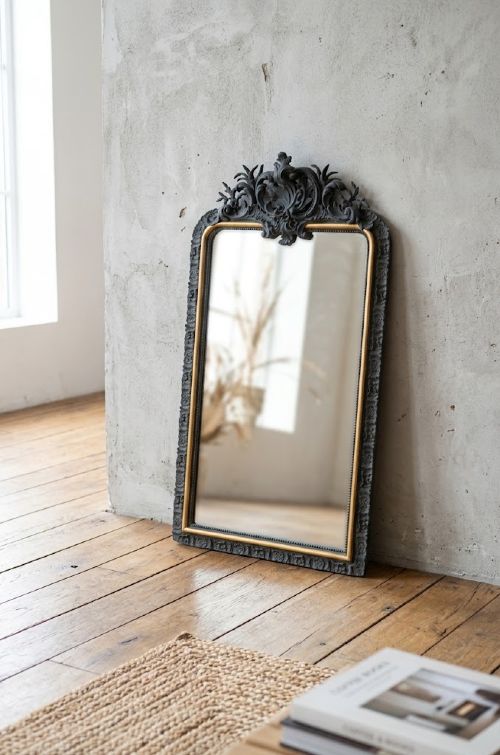
A grey carved wall mirror brings a weathered elegance to an interior, blending muted painted surfaces with ornate wooden frames.
Grey Carved Wall Mirror
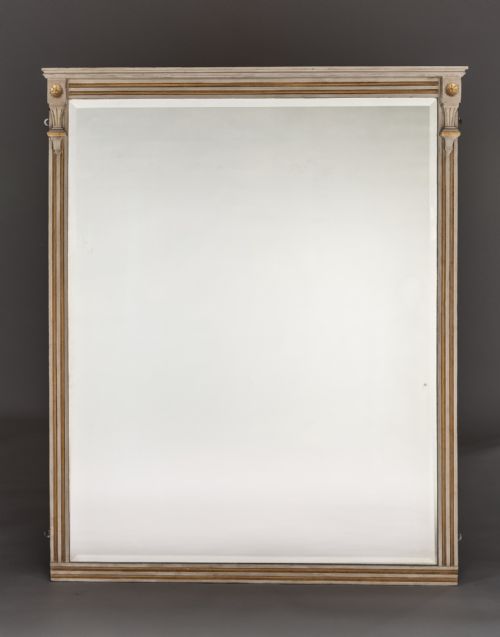
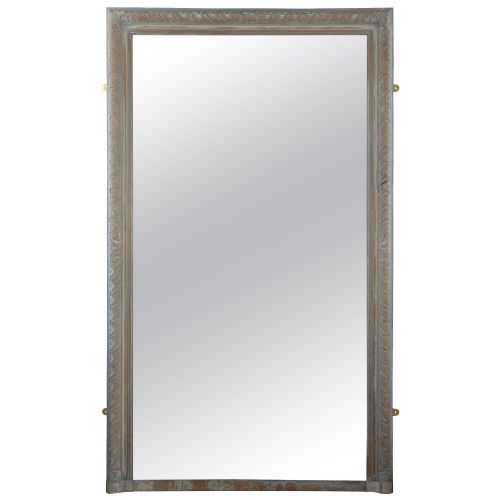
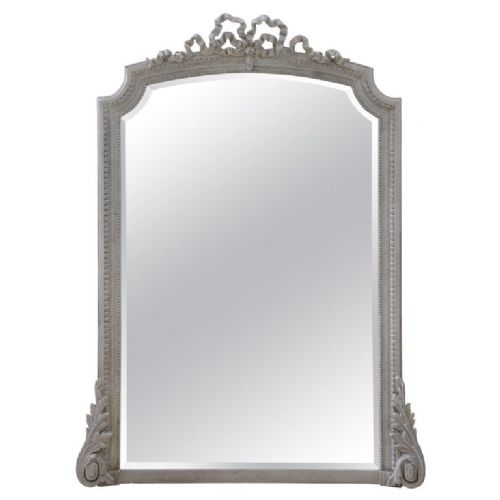
A grey carved wall mirror encompasses a range of nineteenth-century French and English designs, spanning periods from the 1850s through to the Edwardian era. Buyers searching for a grey carved wall mirror encounter substantial overmantle mirrors, arched top forms, and trumeau pieces alongside simpler console tables.
The selection leans heavily toward French provincial, French Empire, and Victorian aesthetics, where carved wooden frames receive painted finishes in muted tones often accented with parcel-gilt details. Many examples reflect domestic interiors of the nineteenth century, utilising architectural framing such as columns and shaped crests.
Overmantle variations dominate the available forms, designed originally to sit above domestic fireplaces or serve as focal points on principal walls. These pieces balance functional mirror glass with decorative carved woodwork that reflects regional styles from French chateaux to English country houses.
Materials and Construction
Makers constructed these frames primarily from solid wood, applying layers of gesso to build up intricate surface details and relief ornamentation before finishing with paint and occasional gold leaf. This combination allowed artisans to carve deep architectural profiles, ribbons, and foliage that held painted pigments securely.
Reflecting the period techniques, mirror glass is set within rebated frames behind painted wood and gesso mouldings, sometimes incorporating parcel-gilt highlights to catch the light. The underlying wooden structures rely on traditional joinery suited to heavy wall-hanging pieces and grand overmantle proportions.
Listings feature pieces spanning the 1850s to the Edwardian period, utilising wood, gesso, paint, and gold leaf.
Evaluating Craftsmanship
Quality rests in the crispness and depth of the hand-carved wood and gesso ornamentation, where finer examples display sharply defined foliage, columns, and moulded crests rather than soft, indistinct relief. The handling of the painted finish also dictates distinction, with layered tones and subtle distressing outperforming flat, uniform modern applications.
The integration of the mirror glass relative to the frame structure marks another tier of distinction, alongside the structural integrity of large overmantle and arched frames. Superior pieces maintain balanced proportions across grand scales, ensuring the heavy wooden carcass supports the decorative programme harmoniously.
The Grey Carved Wall Mirror Glossary
- Gesso
- A plaster-like mixture applied to wood frames to create a smooth surface for carving and gilding. Artisans built up this compound to model intricate relief details before painting.
- Parcel-gilt
- A decorative treatment where specific raised portions of a painted surface receive thin leaves of gold. This technique highlights carved details against a muted painted background.
- Trumeau
- An architectural mirror panel designed to fit into wall panelling or above a fireplace. These French pieces frequently incorporate painted woodwork or integrated artwork.
- Overmantle
- A large mirror specifically proportioned to hang above a fireplace mantelpiece. They often feature horizontal orientations and architectural framing.
- Pier mirror
- A tall mirror intended for the wall space between two windows. They frequently paired with console tables in nineteenth-century interiors.
Grey Carved Wall Mirror: Frequently Asked Questions
How do I hang a heavy overmantle mirror?
These substantial nineteenth-century frames require professional wall anchoring directly into studs or solid masonry using rated hardware suited to the weight of wood and glass.
Distributing the load across multiple strong fixing points ensures the antique frame remains secure against the wall without straining the original wooden structure.
Where should I place a grey carved mirror?
Positioning one above a living room fireplace or a hallway console table utilises the original architectural intent of these large overmantle and wall formats.
The reflective glass bounces natural light around the room while the neutral painted frame anchors the surrounding interior scheme.
How do I clean an antique painted frame?
Dusting the carved wooden and gesso surfaces gently with a dry, soft-bristled brush preserves the delicate painted finish without introducing moisture.
Avoid chemical cleaners or abrasive cloths, which can lift the historic paint layers or damage the underlying gesso preparation.
Are original mirror plates common?
Many nineteenth-century pieces retain their original glass, which often exhibits natural foxing, minor speckling, and gentle distortions characteristic of early manufacturing.
These age marks contribute to the authentic character of the piece and confirm its period manufacture rather than modern replacement.