
Large French Chateau Mirror
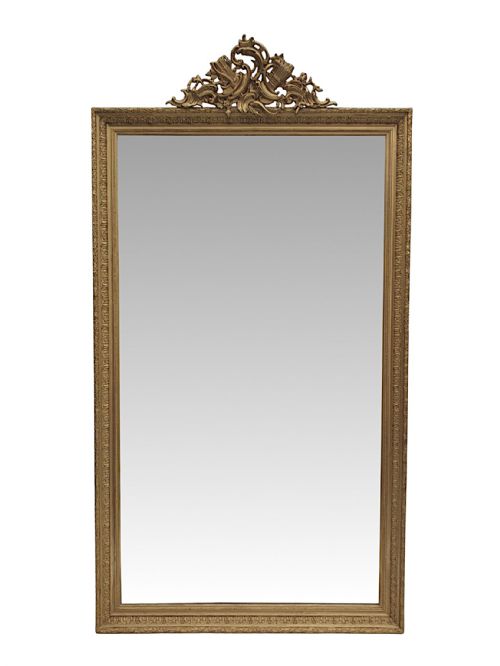
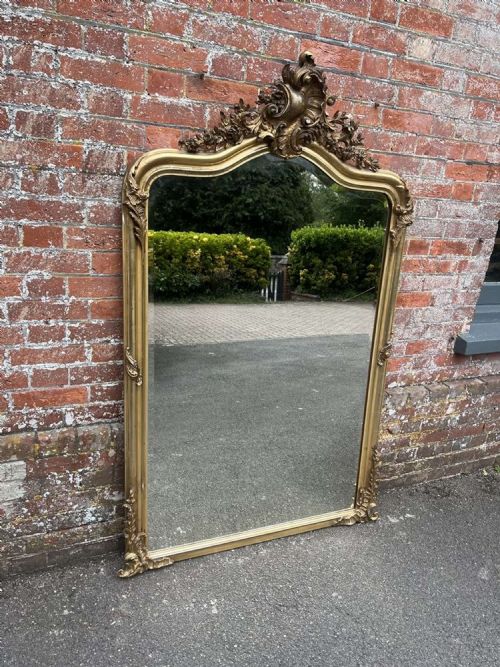
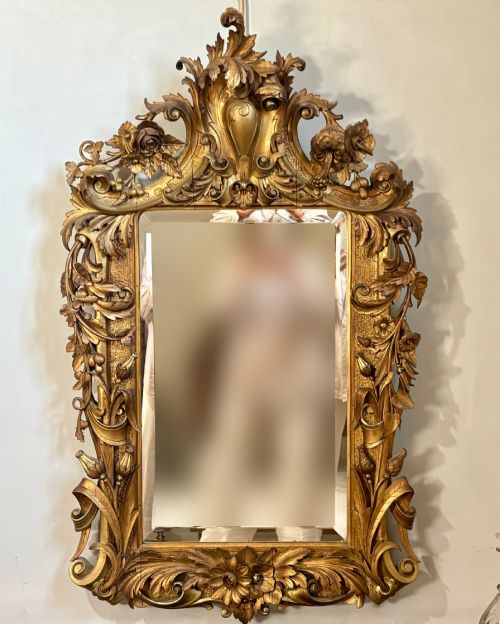
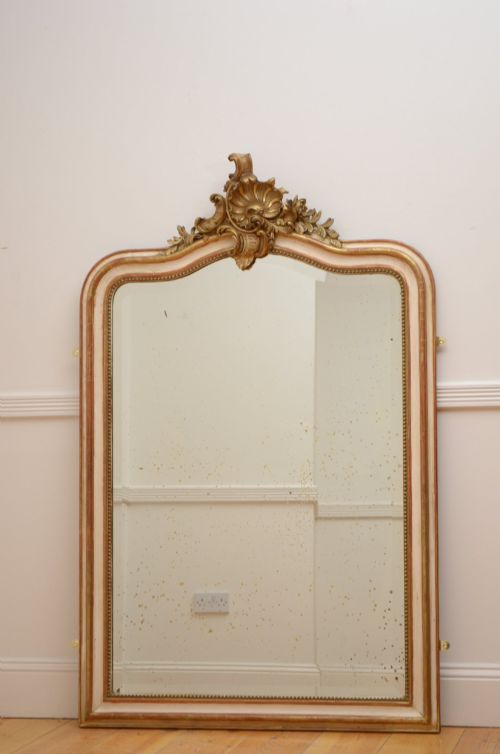
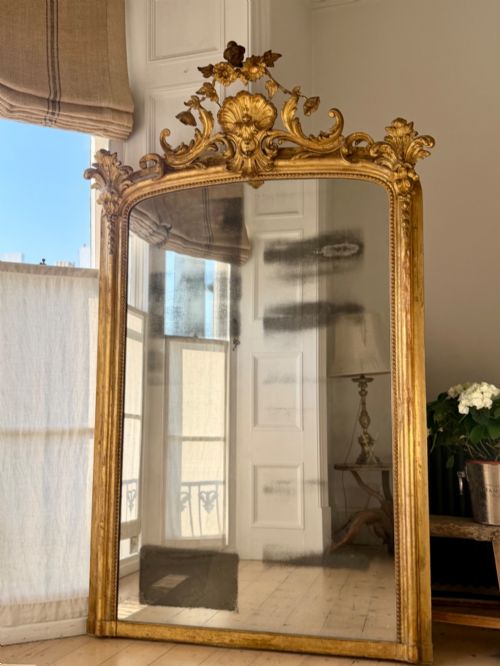
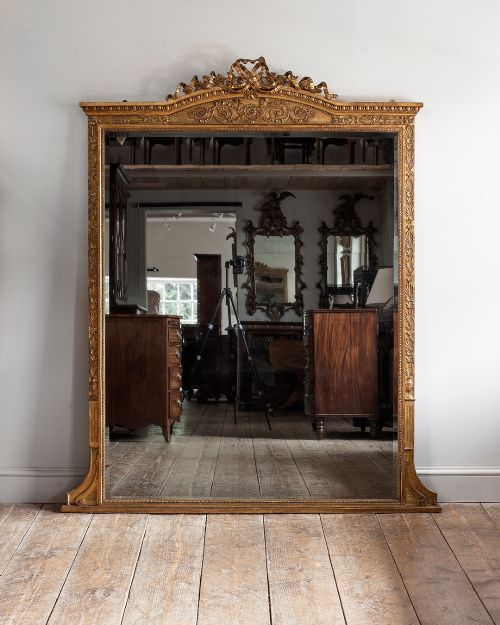
A large french chateau mirror brings immediate scale and historic presence to a room, offering grand proportions and ornate framing.
Large French Chateau Mirror
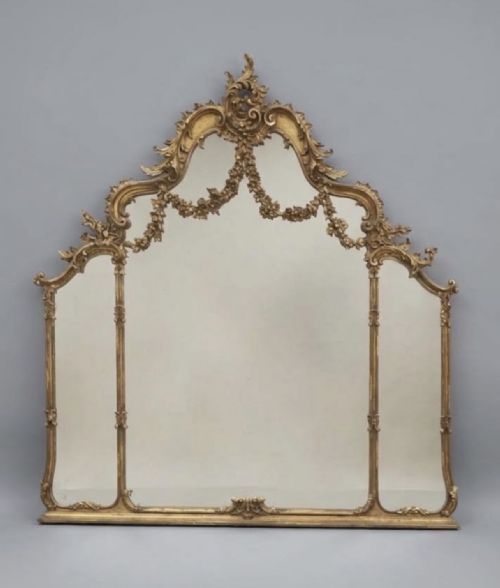
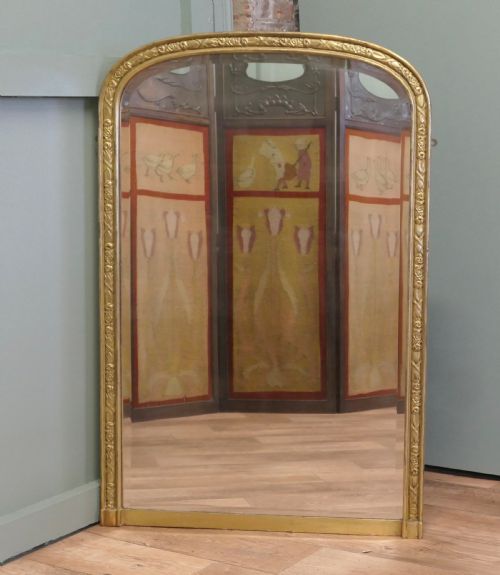
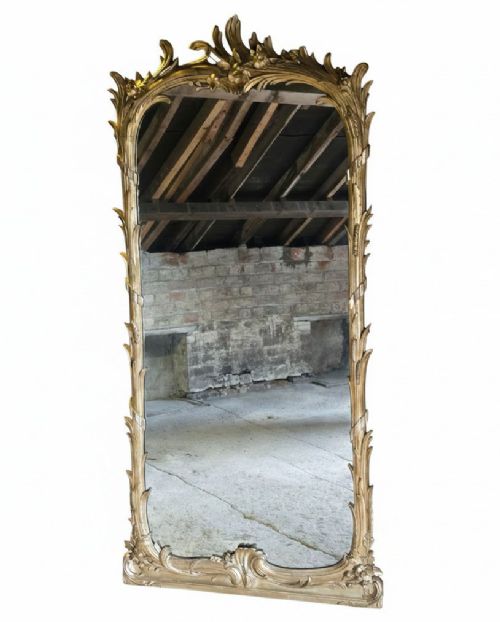
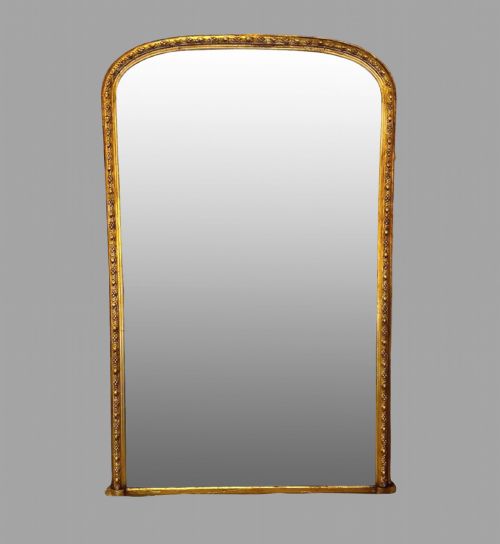
A large french chateau mirror typically takes the form of an overmantel, pier, or full-length leaner mirror designed to dominate a high-ceilinged interior. These pieces originate predominantly from the nineteenth century, encompassing periods from the eighteen-fifties through to the early twentieth century.
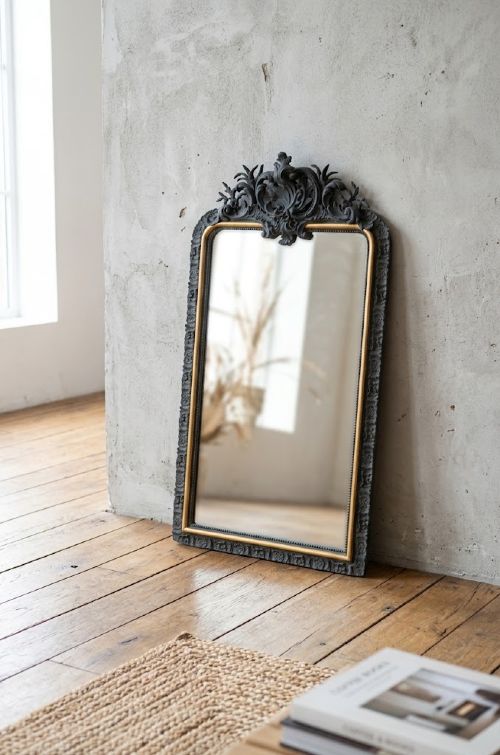
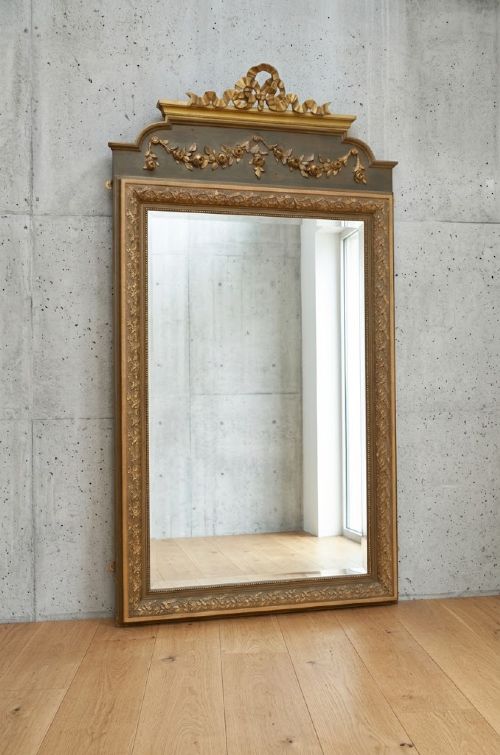
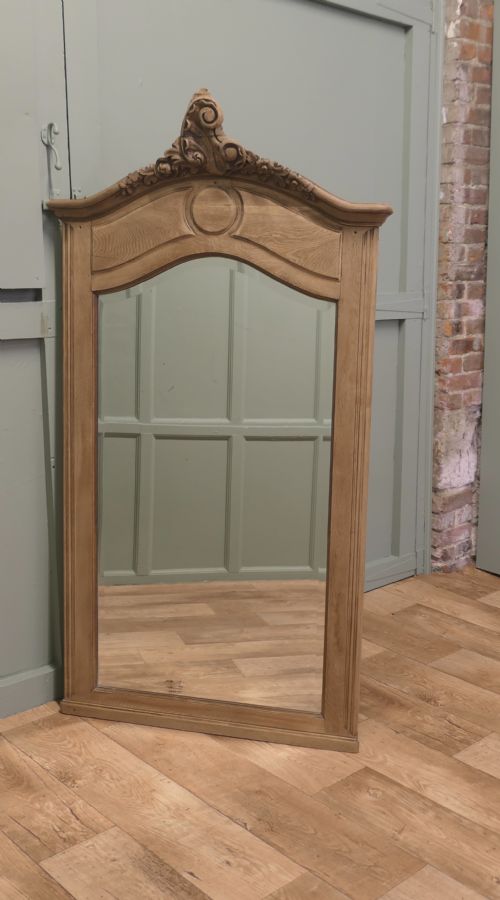
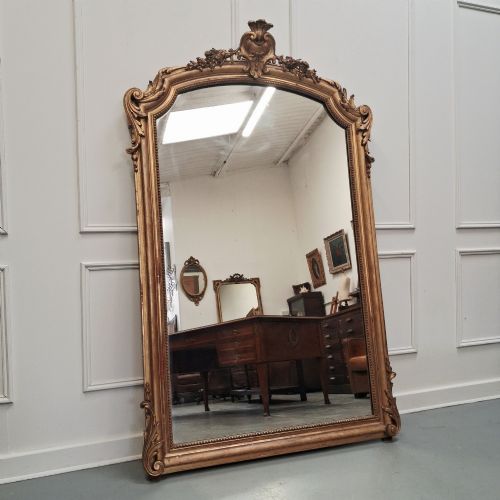
Buyers encounter substantial wall-hanging formats featuring shaped tops, arched frames, and substantial carved wooden structures. The aesthetic leans heavily on French Rococo, Second Empire, and Neoclassical vocabularies, often displaying ribbon crests or elaborate crestings.
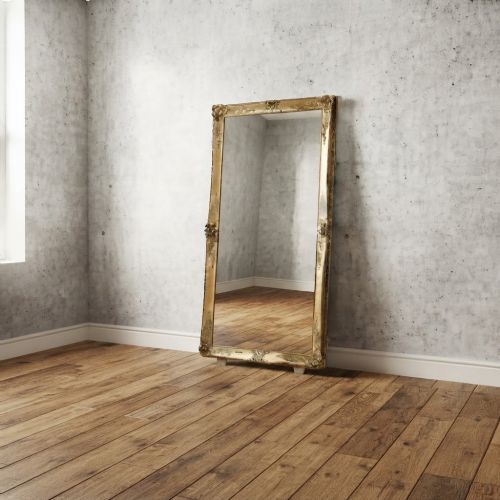
Originating from chateaux and formal townhouses, these grand looking-glasses serve as architectural focal points. They function equally well mounted above a fireplace or left freestanding as leaner mirrors.
Materials and Construction
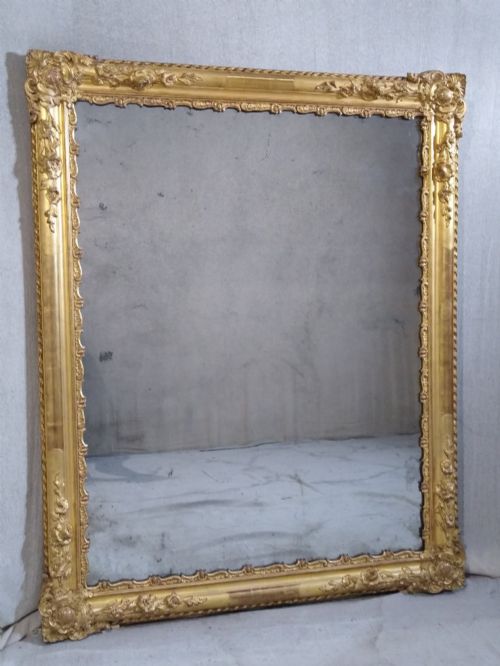
Carved wood and gesso form the foundational structure for the most ornate frames, allowing artisans to build up deep, tactile relief work. Gilding with gold leaf or applying paint finishes then creates the characteristic luminous surface.
Many examples combine carved wooden elements with moulded plaster or gesso details to achieve complex scrollwork and floral motifs. The glass plates themselves, occasionally exhibiting foxed mercury ageing, sit securely within these heavy built-up frames.
Common materials recorded across the inventory include giltwood, gesso, gold leaf, painted wood, and original mirror glass.
Distinctions in Quality
The depth and crispness of the hand-carving separate standard production from exceptional pieces, as skilled artisans achieved sharper undercut foliage and more fluid scrollwork. Heavy, stable wooden frames that retain their original structural integrity without excessive sagging hold greater regard.
The preservation of original gilding and painted surfaces dictates the visual character of the piece, where untouched layers of gold leaf display a softer patina than later interventions. Additionally, the clarity and age of the mirror glass contribute to the overall authenticity and atmospheric depth.
The Large French Chateau Mirror Glossary
- Giltwood
- Wood that has been coated with gold leaf or a gold-coloured metallic finish. This technique provides the bright, reflective exterior seen on many period frames.
- Gesso
- A plaster-like mixture applied to wood frames to create a smooth surface for carving or gilding. Artisans mould this material into elaborate relief decorations.
- Overmantel Mirror
- A large mirror specifically designed to hang above a fireplace mantel. These horizontal or arched pieces fill the vertical wall space beneath the ceiling.
- Pier Mirror
- A tall, narrow mirror traditionally hung on the pier or wall space between two windows. They make efficient use of narrow wall areas to bounce light around a room.
- Foxed Glass
- Mirror glass that has developed dark spots, mottling, or degradation behind the reflective coating over time. This natural ageing process creates a characteristic hazy appearance.
- Trumeau
- A decorative wall mirror or panel integrated into wood panelling or positioned above a mantel. It often incorporates painted scenes or carvings above the glass plate.
Large French Chateau Mirror: Frequently Asked Questions
How do I hang a heavy chateau mirror?
Due to the substantial weight of carved wood and gesso frames, these pieces require secure wall anchors fixed directly into structural studs or masonry. Professional installation ensures the mirror remains safely positioned.
Leaner versions bypass wall mounting entirely by resting firmly against the floor and wall. Using a discreet floor anchor adds stability for full-length formats.
Where should I place an overmantel mirror?
Mounting an overmantel mirror directly above a fireplace mantel anchors the visual weight of the hearth. This placement traditionally reflects light from opposing windows across the room.
Ensure the width of the mirror aligns harmoniously with the dimensions of the mantelpiece below. Lower placement creates a cohesive connection with the fireplace structure.
How can I tell a nineteenth-century mirror apart from later copies?
Examine the construction of the wooden backing frame and the composition of the gesso layers for signs of genuine age. Hand-carved elements display subtle irregularities absent in mass-produced resin copies.
Original mirror plates often show characteristic edge distortion or light foxing. Modern replacements typically present a uniform, flawless reflection.
Can these mirrors be used in modern interiors?
The grand scale and reflective capacity of these pieces provide a striking contrast against minimalist contemporary decor. Placing a large mirror in a modern setting opens up spatial boundaries.
Leaning an unmounted frame against a plain wall introduces relaxed architectural elegance. The historic patina softens stark, modern colour palettes.