


Grey Carved Mirror
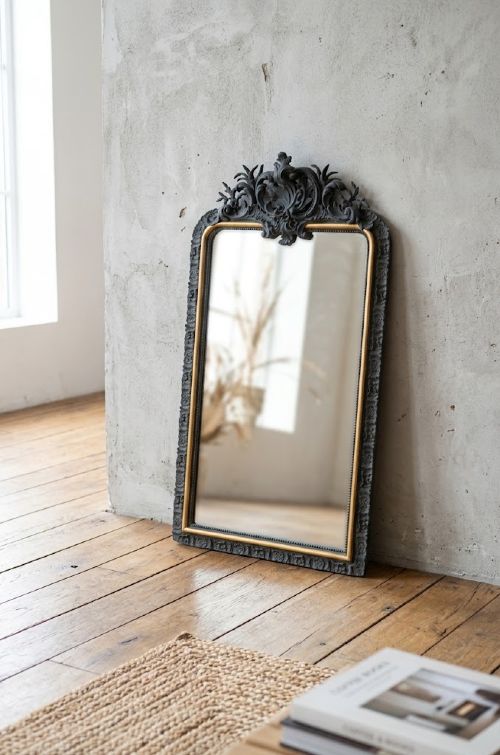
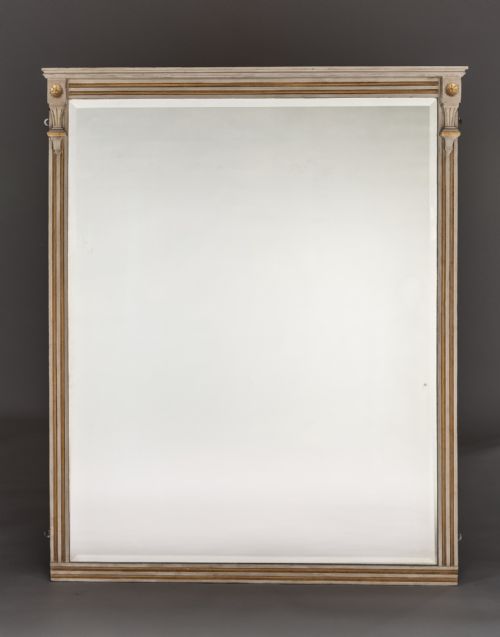
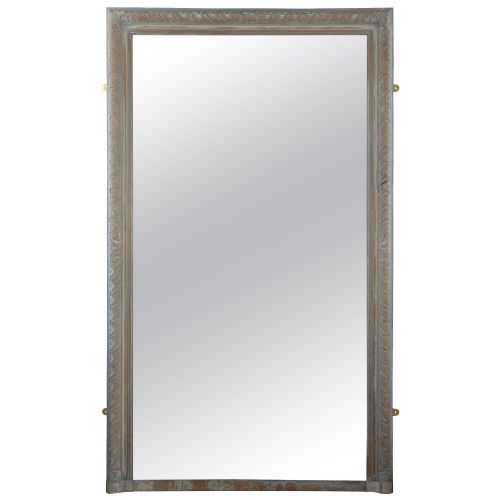
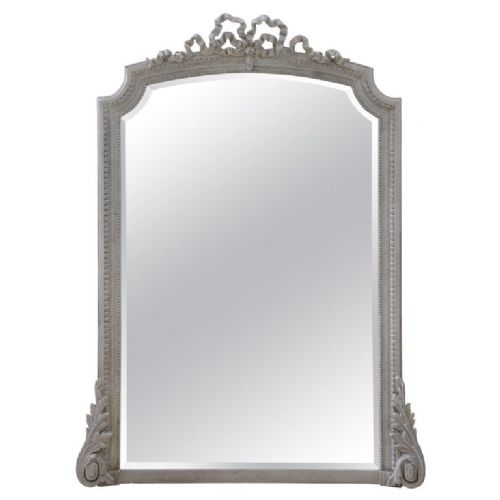
A grey carved mirror brings light and age to a room, drawing the eye with layered paint over timber moulding.
Grey Carved Mirror
When you search for a grey carved mirror, you encounter wall-hanging and overmantel glass shaped by nineteenth-century joiners and carvers. These objects span English and French traditions, ranging from simple arched domestic looking glasses to grand architectural pieces designed to sit above a fireplace.
The most common version met on this page is the large nineteenth-century French or English mirror built from carved wood and gesso, finished in distressed grey paint. These pieces often feature shaped tops, floral moulding or parcel-gilt highlights that soften the neutral tone of the painted surface.
Beyond standard wall mirrors, the selection includes pier mirrors, console tables, and occasional furniture sharing the same aesthetic lineage. Their primary function remains reflecting light into living spaces while anchoring a room with period proportion and craftsmanship.
Materials and construction methods
The foundation of these frames typically relies on solid timber, most commonly oak or softwoods, shaped by hand chisels and gouges. Artisans applied layers of gesso - a mixture of chalk and binder - over the carved wood to create a smooth, responsive surface for intricate detail work.
Finishing involved applying paint over the prepared wood and gesso, sometimes accented with gold leaf on raised elements like beads or cartouches. The resulting surface wears naturally over decades, showing the underlying texture of the carved grain beneath the muted grey pigment.
Listings feature eighteenth and nineteenth-century forms including French provincial overmantels and English oak wall mirrors.
Distinctions in construction and design
Quality rests in the depth and crispness of the hand-carved ornamentation, where skilled makers achieved sharp relief rather than soft, mechanical repetition. The integration of the frame joints and the weight of the original timber indicate the structural ambition behind the piece.
The handling of the painted surface also dictates standard, with superior examples showing organic wear and sympathetic layering rather than flat, modern application. Original mercury glass or early replacement mirror plates add distinct depth compared to uniform contemporary glass.
The Grey Carved Mirror Glossary
- Gesso
- A prepared mixture of chalk, gypsum, and glue applied to wood frames to create a smooth surface for carving or gilding. This ground layer accepts paint readily and allows for crisp decorative relief.
- Overmantel Mirror
- A large looking glass specifically proportioned to hang on the wall directly above a fireplace mantel. These pieces often feature wide horizontal formats to balance the hearth below.
- Parcel Gilt
- A decorative treatment where specific raised portions of a frame are highlighted with gold leaf while the rest remains painted. This technique catches candlelight or daylight from surrounding windows.
- Pier Mirror
- A tall, narrow looking glass designed to hang on the solid section of wall between two windows. They frequently paired with matching console tables positioned beneath them.
Grey Carved Mirror: Frequently Asked Questions
Are antique mirrors easy to clean?
Maintenance requires gentle dusting with a dry microfiber cloth to keep accumulated particles off the carved wooden gesso mouldings. Avoid spraying liquid cleaner directly onto the glass, as moisture can seep behind the plate and damage the silvering.
Instead, apply mild glass cleaner sparingly to a cloth rather than the mirror itself. Take care to keep all moisture away from the painted and gilt wooden edges to prevent further lifting of the historic finish.
Can I place these mirrors in a bathroom?
High humidity and steam present significant risks to nineteenth-century gesso, glue, and original mirror silvering. Bathrooms cause the wood to expand and contract rapidly, leading to cracking in the painted surface and dark oxidation spots behind the glass.
Dry reception rooms, hallways, and living spaces provide a stable environment that preserves the fragile materials. If placed near a fireplace, ensure the mantel does not transmit excessive direct heat upward into the frame.
How do I identify a period frame?
Examination of the reverse reveals hand-cut joinery, old pine or oak boards, and oxidation appropriate to nineteenth-century workshop practices. The weight of the timber and the composition of the gesso layer beneath the paint offer reliable clues to age.
Machine-cut screws, modern particle board backing, and unblemished synthetic paint finishes indicate later reproductions. Look for consistent shrinkage in the wood joints and natural wear patterns on the painted surfaces.