

Green Upholstered Accent Chairs
Green upholstered accent chairs bring period warmth and practical seating to a room, spanning Victorian, Edwardian, and eighteenth-century forms.
Green Upholstered Accent Chairs
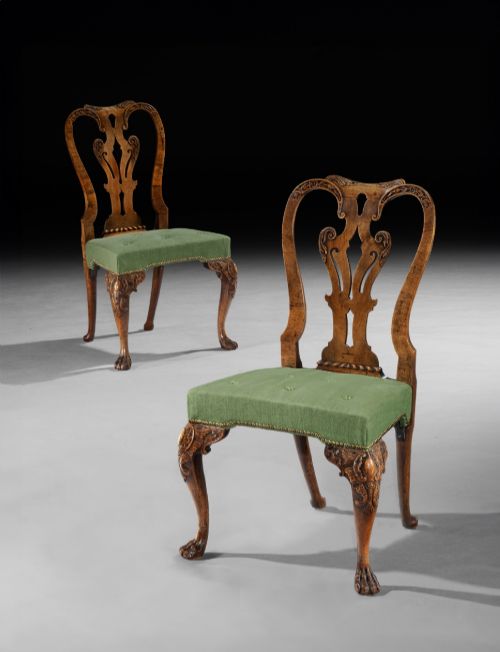
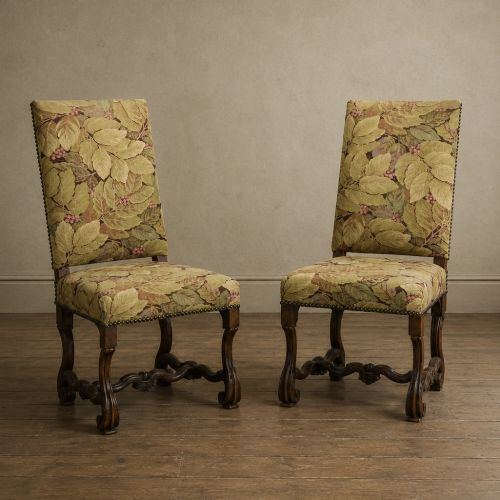
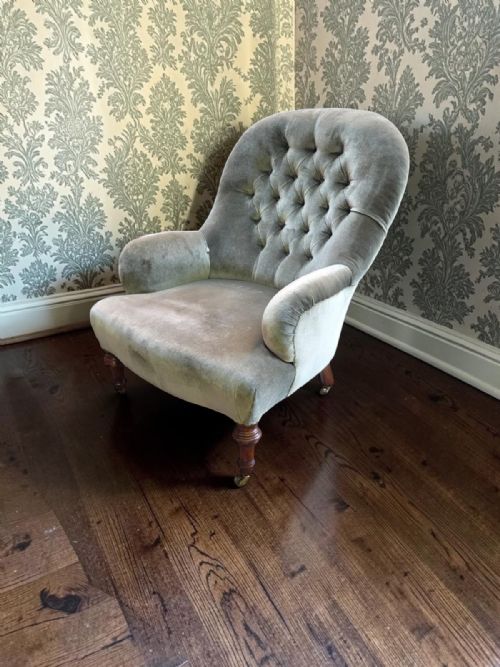
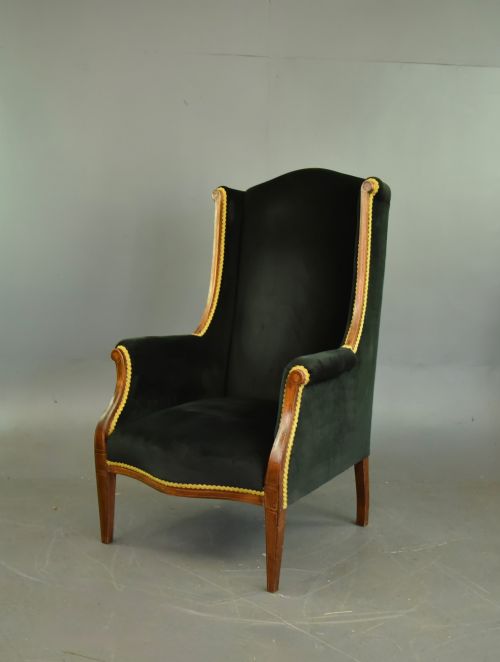
When buyers search for green upholstered accent chairs, they encounter a diverse selection of seating ranging from compact bedroom chairs to substantial library armchairs. These pieces span the eighteenth century, the Victorian era, and the Edwardian period, offering functional seats designed for specific domestic spaces.
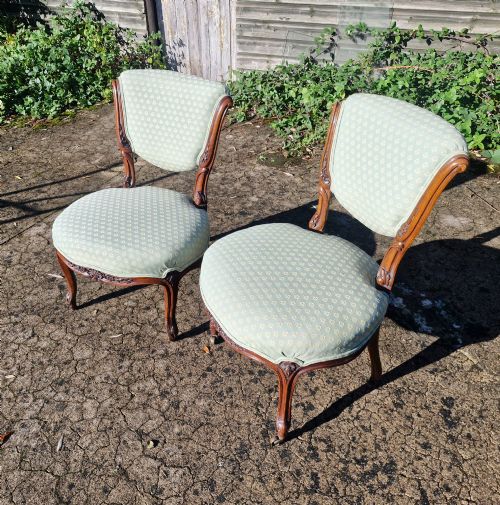
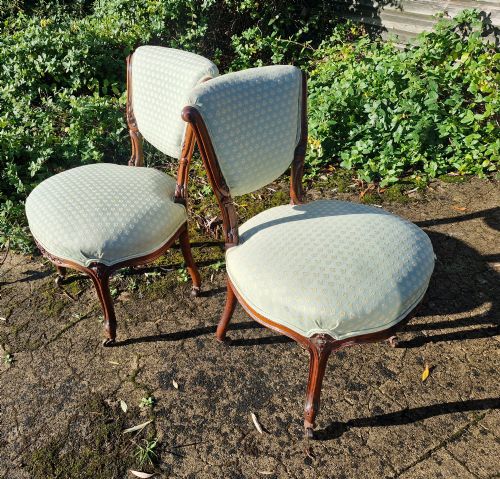
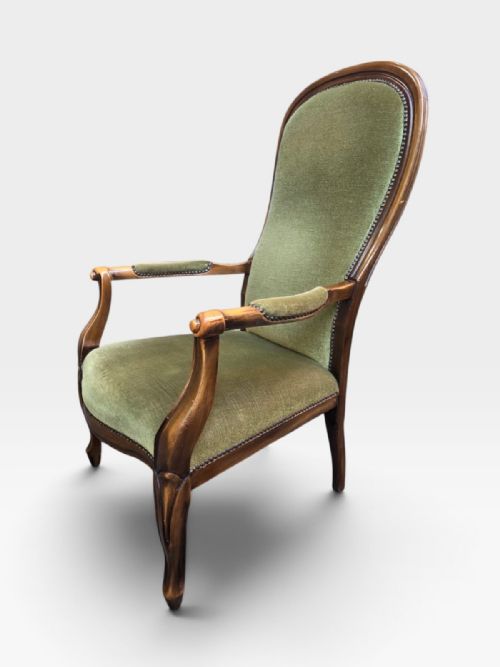
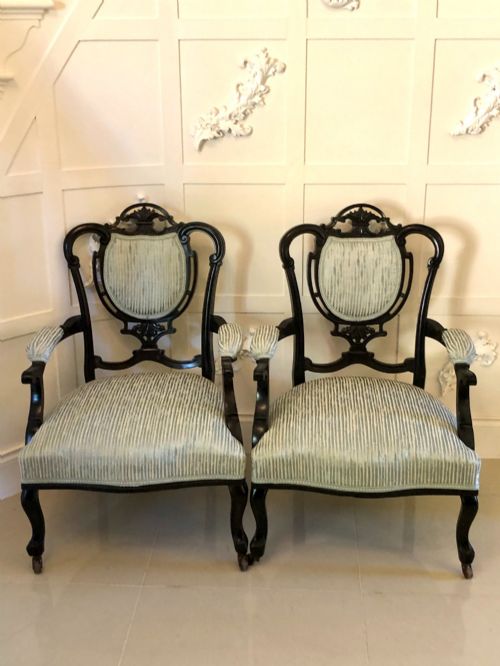
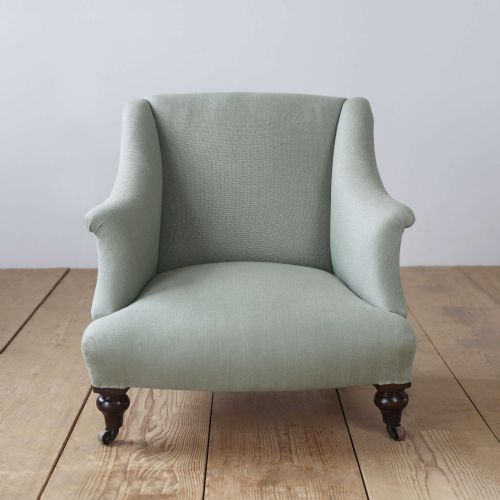
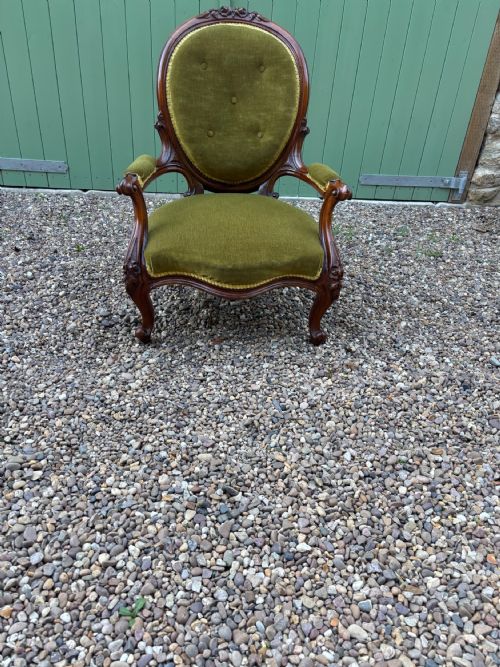
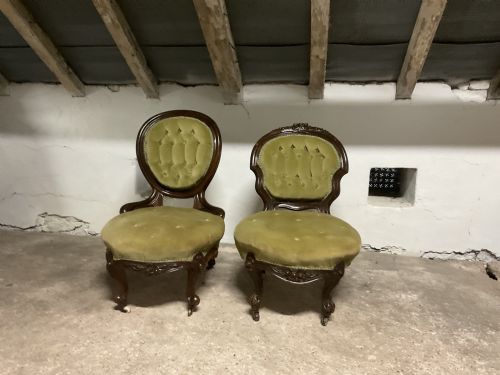
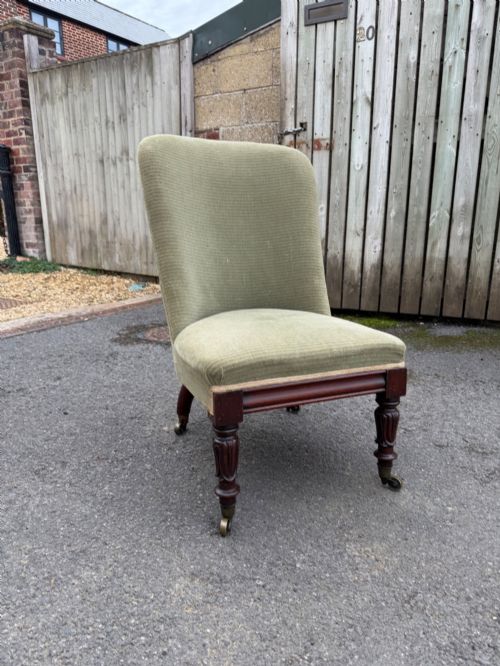
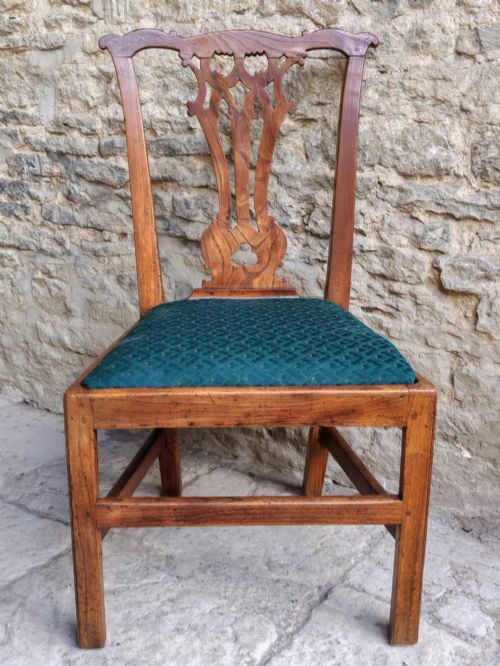
The most common versions met on this page are Victorian walnut and rosewood nursing chairs, side chairs, and bedroom chairs. Alongside these, buyers find Regency side chairs, Edwardian winged armchairs, and earlier walnut and mahogany armchairs.
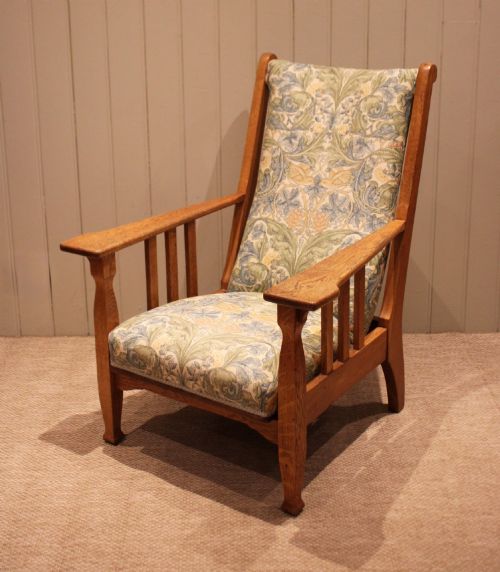
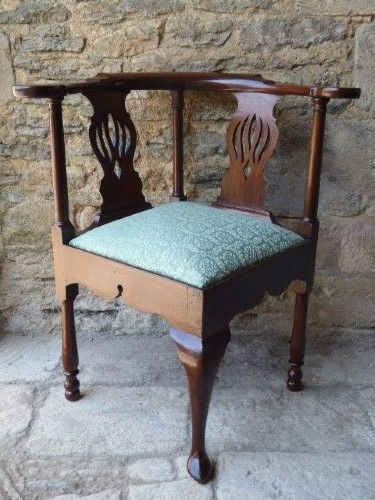
Makers and designers working in styles from French Chateau to Arts and Crafts produced these chairs using timber frames covered in textiles and velvet. The forms include open armchairs, bobbin chairs, corner chairs, and high back seats.
Materials and Construction
The structural framework of these chairs relies on native and imported hardwoods such as mahogany, walnut, oak, rosewood, and elm. These timbers were carved, turned, or polished to form the legs, arms, and rails that support the seat.
Upholstery materials recorded in the listings include velvet, fabric, textile, and needlepoint, secured over internal webbing and stuffing. Brass details and giltwood finishes appear on specific stylistic examples from the Regency and Victorian periods.
Green Upholstered Accent Chairs Retail Price Guide 2026
Typical asking prices for green upholstered accent chairs among the pieces listed under this phrase on Sellingantiques today, from the lower quarter to the upper quarter. They describe what is for sale here now, not the wider market.
Bobbin chairs use turned wooden spindles that resemble sewing bobbins, creating a tactile texture across the frame.
Judging Quality
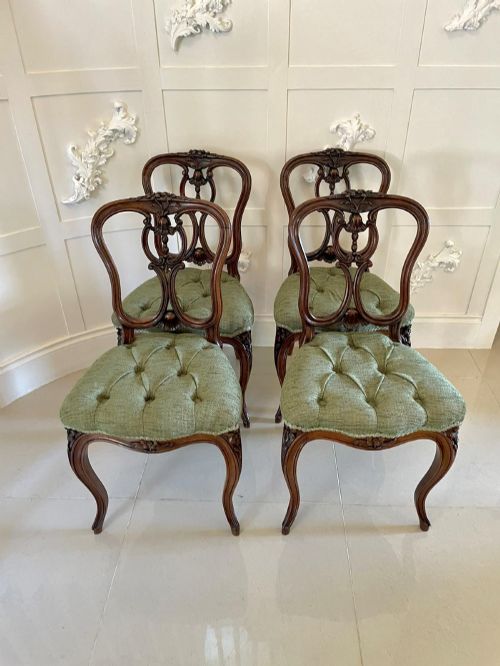
Quality in these chairs rests upon the crispness of the timber carving and the architectural integrity of the frame. Pieces featuring refined cabriole legs, detailed inlay, or complex turnings demonstrate a higher level of cabinet maker skill.
The selection of primary timbers, such as figured walnut or dense rosewood, dictates the baseline desirability of a piece. Furthermore, the harmony between the original frame and the choice of textile or velvet upholstery influences the overall cohesion of the chair.
Bruce Talbert·Heals·Gillows
The Green Upholstered Accent Chairs Glossary
- Bergère
- An enclosed upholstered armchair with cane or upholstered sides and a padded seat cushion. This French form gained popularity in various nineteenth-century iterations.
- Cabriole leg
- A furniture leg that curves out and then in, resembling the leg of an animal. It typically terminates in a pad, claw, or scroll foot.
- Fauteuil
- An open-arm armchair with wooden armrests and exposed frame construction. Originating in France, these chairs frequently appear in walnut or mahogany.
- Needlepoint
- A type of counted thread embroidery stitched onto canvas to create durable seat covers and back panels. Eighteenth-century examples often feature this technique.
- Nursing chair
- A low-seated chair designed originally for comfort and ease while nursing infants during the Victorian period. They often feature high backs and upholstered frames.
Green Upholstered Accent Chairs: Frequently Asked Questions
What is a nursing chair?
A nursing chair is a low-seated Victorian chair designed for domestic comfort. They typically feature a padded back and upholstered frame.
These pieces were made to sit close to bedroom firesides. Their compact height distinguishes them from standard armchairs.
How do I identify a Victorian chair?
Victorian chairs use dark timbers like walnut and rosewood. They often display deep buttoning, carved details, or turned bobbin legs.
Stylistic influences range from Gothic Revival to French Chateau. These elements help separate them from earlier Georgian forms.
Where were accent chairs used?
Accent chairs served multiple rooms in historic homes including bedrooms, libraries, and halls. Side chairs and occasional chairs provided flexible seating.
Larger armchairs were placed in reception rooms. Smaller slipper chairs belonged in private chambers.