
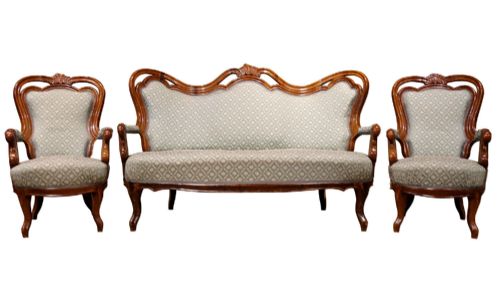
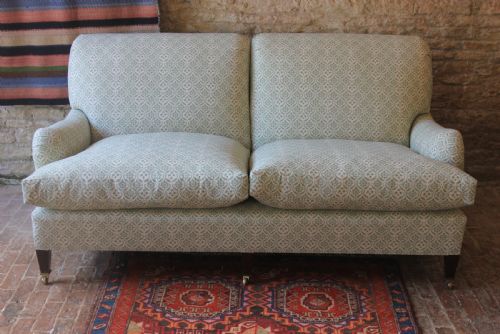


Green Patterned Sofa
These green patterned sofa pieces offer seating charm and classic upholstery, bringing character to any room.
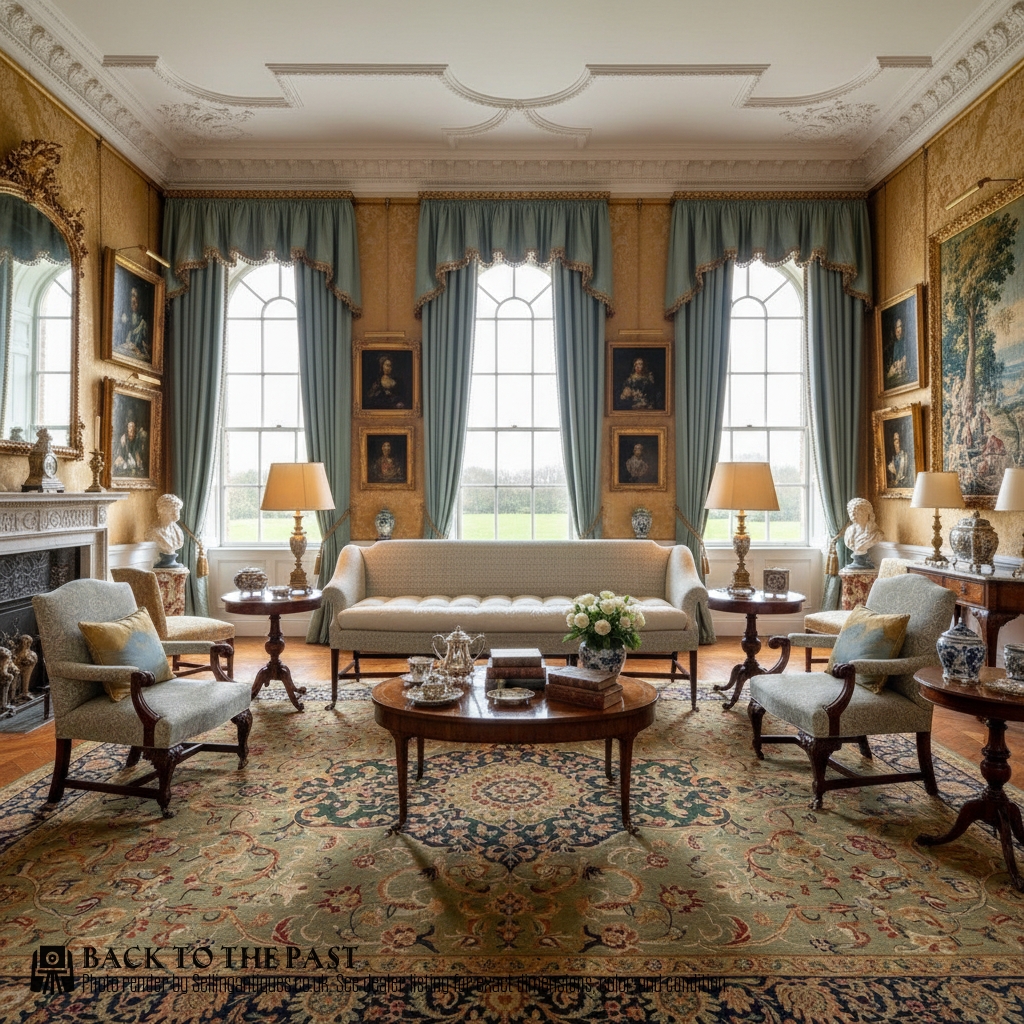
Green Patterned Sofa
A green patterned sofa brings traditional seating history into a room, spanning periods from the eighteenth century to the twentieth century. These items appear in forms such as salon suites, settees, and library sofas.
The options here include pieces fashioned in styles like Regency, Victorian, and Edwardian, alongside earlier George III designs. Buyers meet English country house aesthetics alongside Continental walnut pieces and Italian giltwood creations.
How they were made
Frames rely on timbers such as mahogany, walnut, and general wood, often shaped with hand-carved details. Brass hardware sometimes accompanies the wooden structures.
Upholstery incorporates fabric, textile, and tapestry fabric, dressing the seating frames in patterned schemes. Some examples feature specific designer textiles applied during later twentieth-century production.
Listings include eighteenth-century George III pieces, Victorian mahogany settees, and twentieth-century items upholstered in textile and tapestry fabric.
What varies in quality
The distinction between tiers rests upon the execution of the woodwork and the finesse of the hand carving on the frame. Finer examples display superior timber selection, such as figured walnut or rich mahogany.
Upholstery choice and the integration of textile or tapestry fabric dictate the visual weight of the piece. Maker attribution, such as work associated with Howard and Sons, elevates the standing of certain twentieth-century items.
Howard and sons·Colefax and Fowler
The Green Patterned Sofa Glossary
- Giltwood
- Timber coated with a thin layer of gold leaf. This finish appears on elaborate eighteenth-century frames.
- Tete a tete sofa
- An S-shaped double seat allowing two people to converse face to face. It remains a distinctive conversation piece from the Georgian era.
- Lyre shaped
- A curved furniture back or arm contour resembling the ancient musical instrument. This profile characterises several Regency designs.
Green Patterned Sofa: Frequently Asked Questions
What periods do these green patterned sofa pieces represent?
The selection spans several centuries, running from eighteenth-century George III pieces through Victorian and Edwardian examples up to mid-twentieth-century productions.
Buyers encounter distinct stylistic markers from the Regency and Queen Anne revivals alongside Continental and English workshops.
Which woods appear in these frames?
Cabinetmakers utilised mahogany and walnut for finer frames, alongside general timber and wood constructions.
Selected items also incorporate brass elements and hand-carved giltwood details.
How do settees differ from standard sofas?
Settees generally present a lighter, more formal upholstered seating form often associated with eighteenth and nineteenth-century rooms.
Sofas in this selection range from large library models to intimate tete-a-tete configurations.
What upholstery fabrics do these listings feature?
Upholstery materials include standard fabric, woven textiles, and tapestry fabric.
Certain twentieth-century pieces incorporate specific designer textiles.