
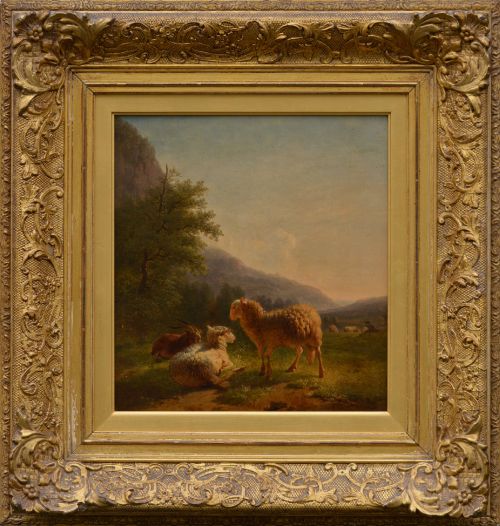


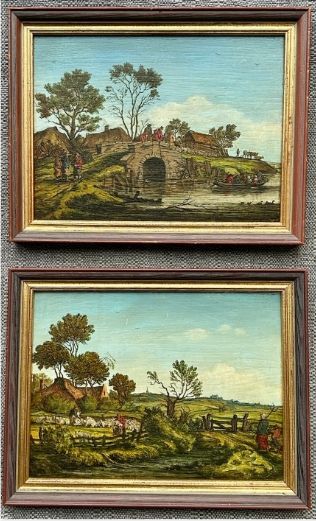
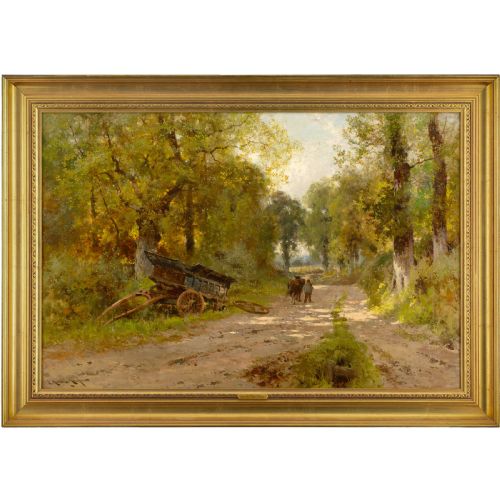

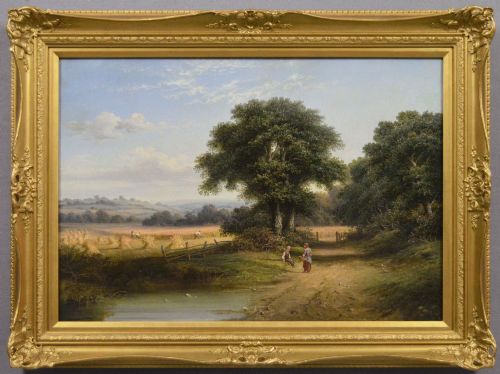
Green Pastoral Landscape Oil
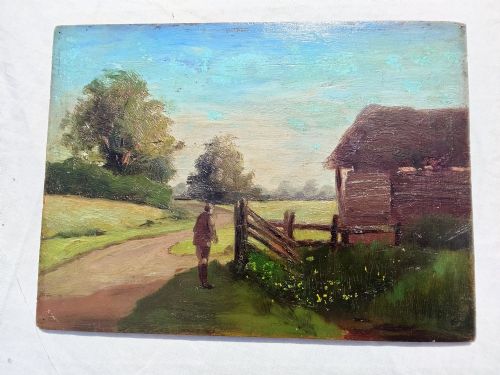
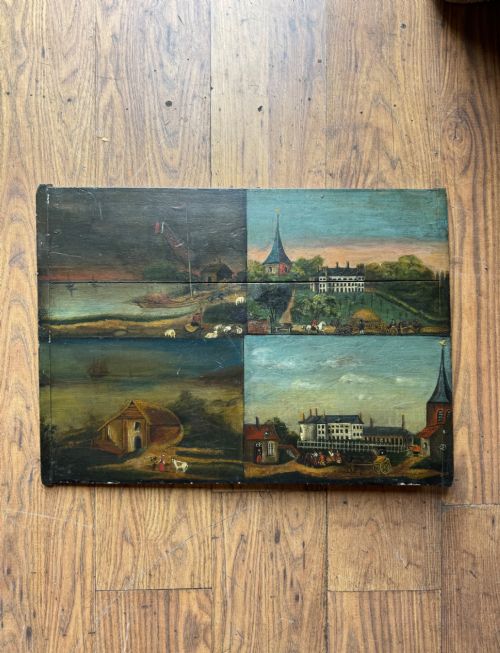
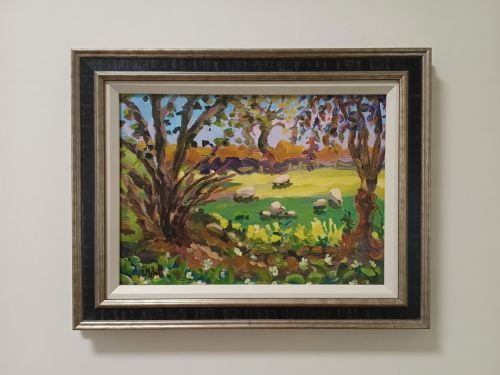
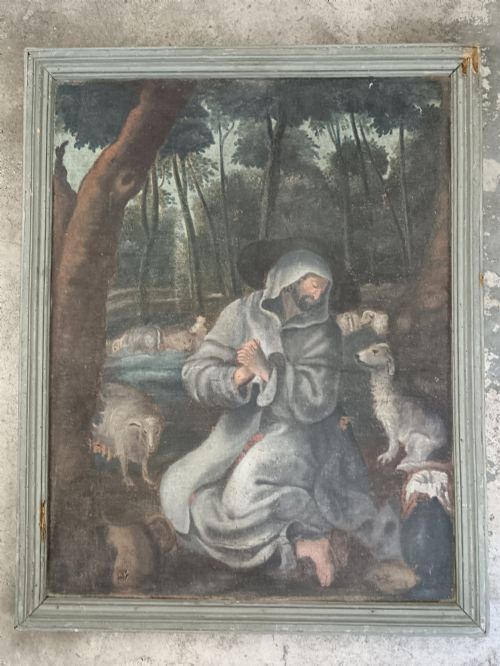
Green pastoral landscape oil paintings capture rural idylls through pigment on canvas and wood panel, offering a window into traditional countryside scenes.
Green Pastoral Landscape Oil
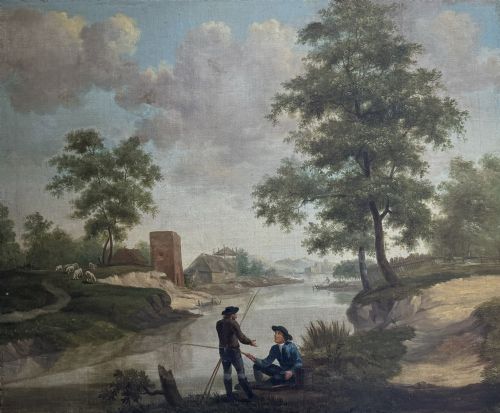
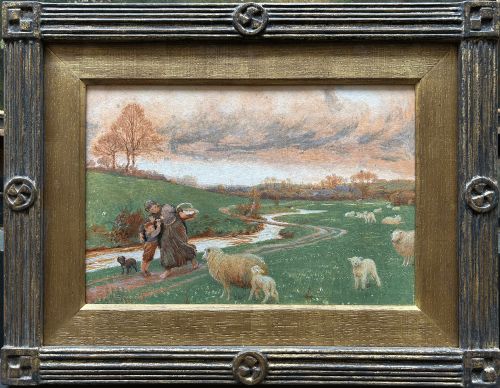
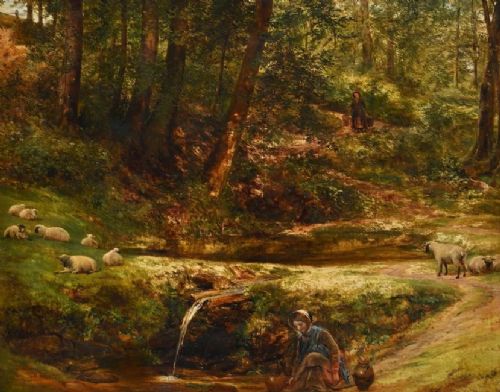
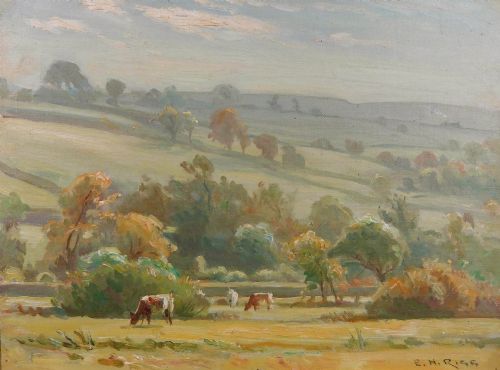
A green pastoral landscape oil typically portrays rural scenes filled with livestock, rivers, woodland, and figures engaged in country life. These works draw heavily from nineteenth-century realism, British impressionism, and traditional schools of painting.
The pieces on this page span from the eighteenth century through the Edwardian era, showing how artists recorded the changing British and European countryside over generations. Common subjects include sheep grazing, cattle near rivers, and harvest fields rendered in naturalistic green and earthy tones.
Buyers will encounter both signed works by known artists and provincial naive folk art from various periods. Canvas and wooden boards serve as the primary supports for these rural compositions.
Materials and Technique
Artists painted these works using oil paint applied to stretched canvas or wooden panels, often building up rich layers of pigment to create depth in foliage and water. Giltwood and gesso frames frequently enclose the pieces, providing period-appropriate presentation.
Techniques range from detailed academic brushwork to looser impressionistic strokes, depending on the school and period of the artist. Wooden board supports were common for smaller works, while larger compositions typically utilised woven canvas.
A painted god of nature playing panpipes hides amongst the traditional farm animals and riverbanks in this rustic collection.
Evaluating Quality
Quality in a green pastoral landscape oil rests on the artist's ability to handle light, atmospheric perspective, and natural anatomy, particularly in depictions of animals and human figures. Superior works demonstrate confident brushwork and balanced composition that draw the viewer into the rural scene.
The preservation of the original paint surface and the authenticity of the period frame contribute significantly to the standing of a piece. Finer examples show careful attention to texture in foliage and water without excessive later restoration.
Eugène Verboeckhoven·William H Myers·Tom Campbell·John Horace Hooper·David Bates·Walter Heath Williams·Lucy Pratt·Frederick Walker·Richard Redgrave·Ernest Higgins Rigg·Robert Watson·Johann Friedrich Voltz·Henry H Parker·George Morland·Margaret Maitland Howard·William Henry Mander·Thomas Sidney Cooper·Franz van Severdonck·John Sanderson Wells·Alfred Augustus Glendening Jnr·Owen Bowen·William Sydney Cooper·Samuel Joseph Clark·Sidney Richard Percy·Frederick James Knowles
The Green Pastoral Landscape Oil Glossary
- Oil on Canvas
- Pigments suspended in a drying oil medium applied to a woven fabric support stretched over a wooden frame. This combination allows for a textured surface and durable finish.
- Wood Panel
- A rigid wooden support used by artists instead of canvas, often found in smaller nineteenth-century landscapes. Panels provide a smooth surface for detailed brushwork.
- Gesso
- A plaster-like mixture applied to wood or canvas as a base for painting or moulded onto frames before gilding. It creates a smooth, absorbent foundation.
- Giltwood
- Wood that has been coated with thin gold leaf or gold powder, commonly used on nineteenth-century picture frames. It adds a warm metallic border to the artwork.
- Pentimento
- An alteration in a painting where earlier brushstrokes show through the upper layers of paint. This occurs as the top layers become more transparent over time.
Green Pastoral Landscape Oil: Frequently Asked Questions
What subjects appear in these paintings?
These artworks depict rural scenes such as sheep grazing in meadows, cattle near rivers, and figures working in harvest fields. The compositions focus on pastoral life and natural countryside settings.
Many pieces highlight specific regional landscapes in Britain and Europe, capturing trees, watercourses, and local livestock under varied daylight conditions.
How do I date a green pastoral oil painting?
Dating relies on stylistic clues, framing materials, and the preparation of the canvas or wooden board. Victorian and Edwardian works often feature specific clothing styles and brushwork techniques tied to their decade.
Signatures, exhibition labels on the reverse, and the type of stretcher frame also provide reliable chronological markers for these historical artworks.
Where should I hang an oil painting?
Oil paintings benefit from placement away from direct sunlight and excessive humidity to protect the canvas and paint layers. Stable indoor environments prevent the wood panels and stretcher frames from warping.
Displaying the artwork at eye level on a wall with appropriate ambient lighting allows the details of the rural landscape to be fully appreciated.
Are these paintings original works?
The selection includes original hand-painted works created on canvas or wood panels by various artists and regional schools. Some listings comprise period copies after well-known masters.
Examining the surface texture under magnification reveals the raised brushstrokes characteristic of genuine hand-applied oil paint rather than modern reproductions.