



Green Painted Wood
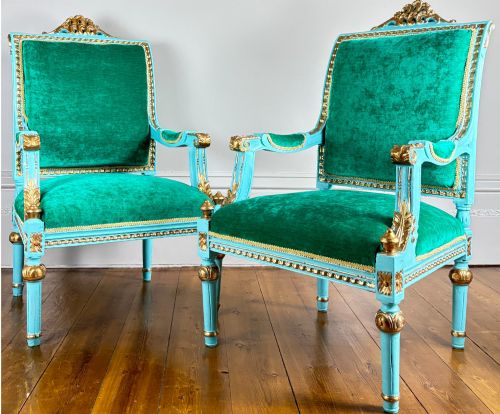
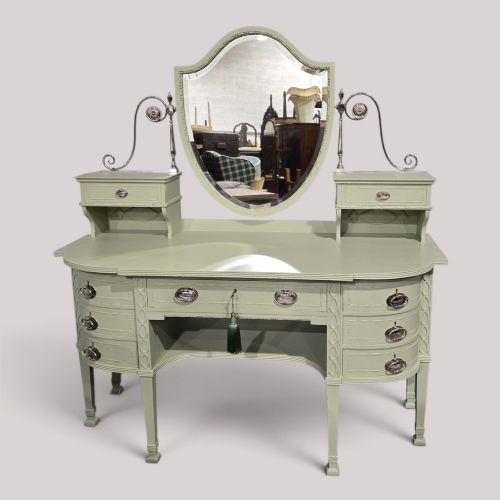
Green painted wood brings character to a room through painted surfaces on items spanning centuries of domestic life.
Green Painted Wood
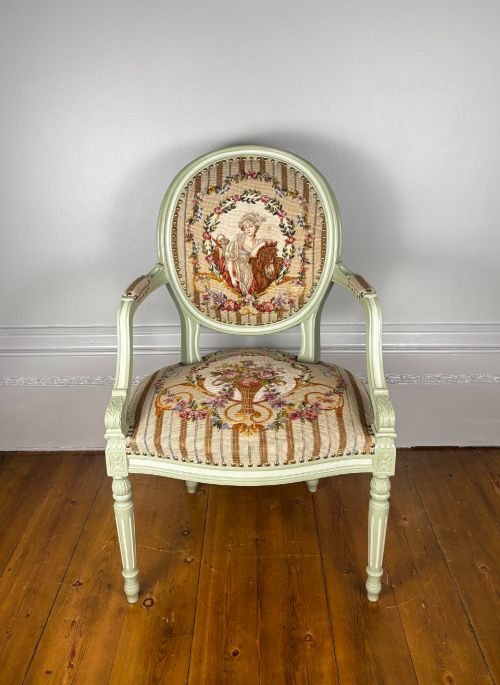
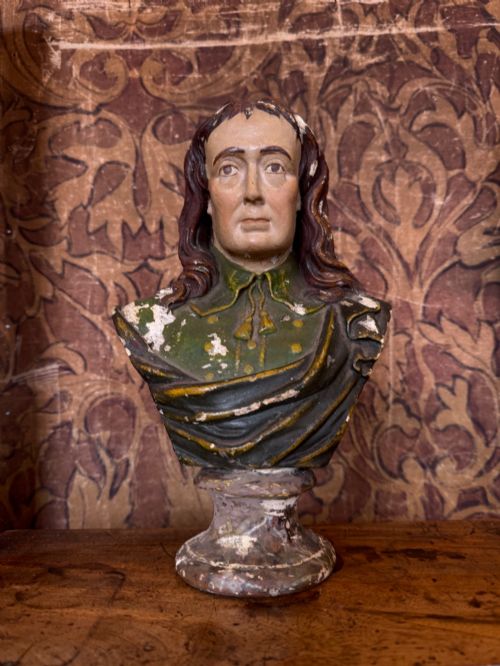
Green painted wood encompasses furniture, mirrors, and decorative objects originating from various European and British traditions. Buyers searching for green painted wood encounter functional items such as bedside tables, chests of drawers, and side cabinets finished in historic paint schemes.
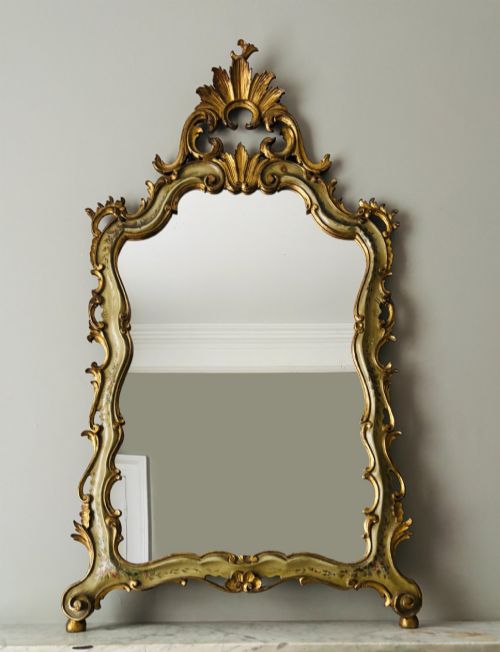
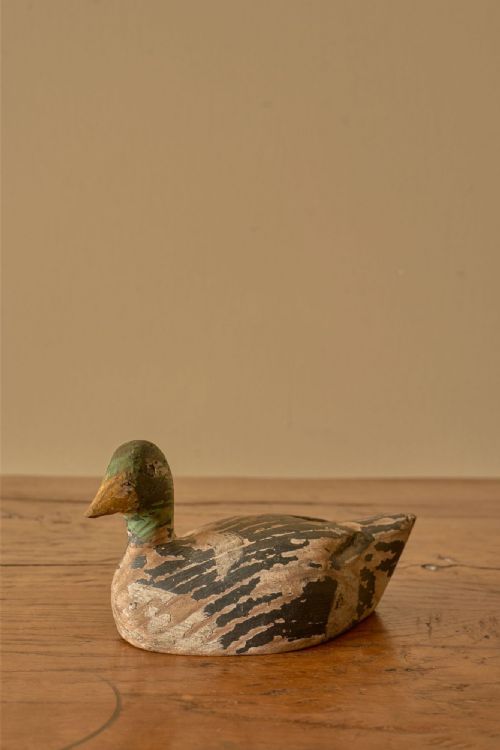
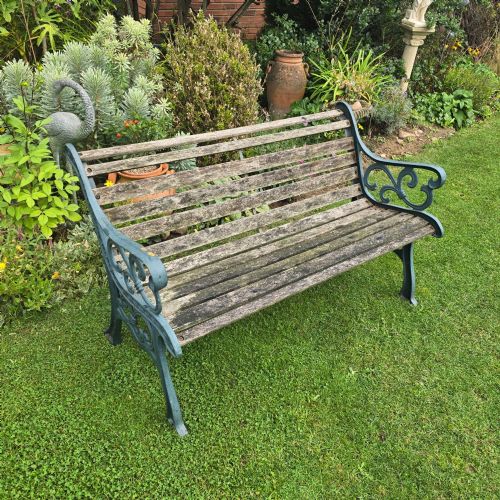
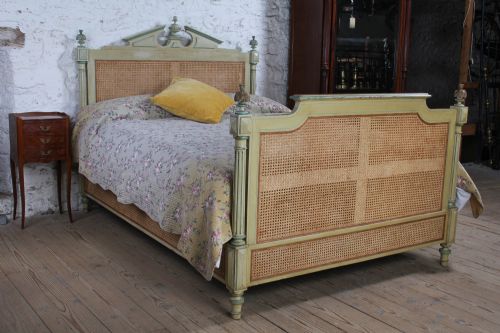
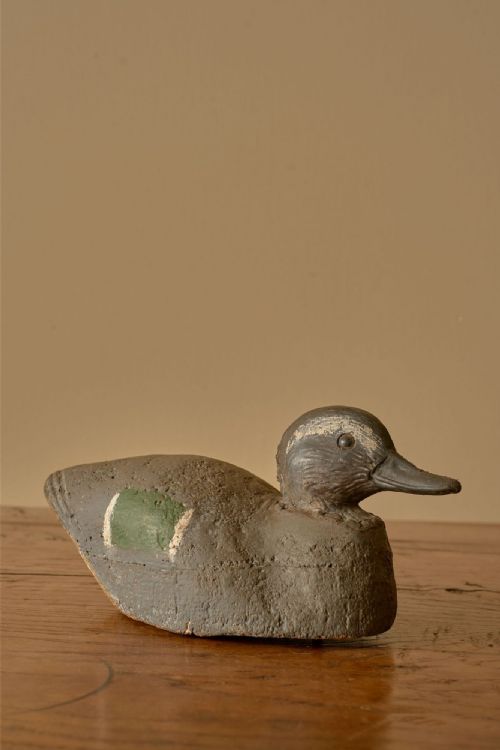
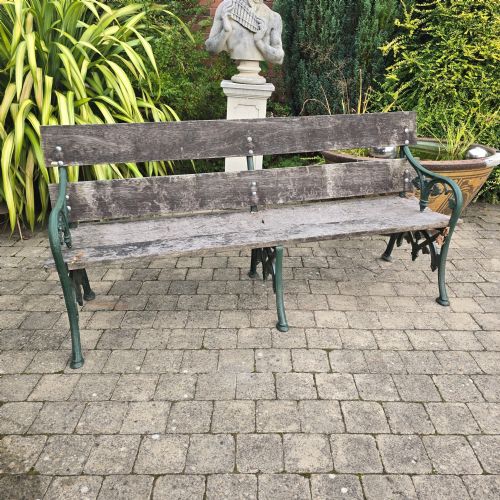
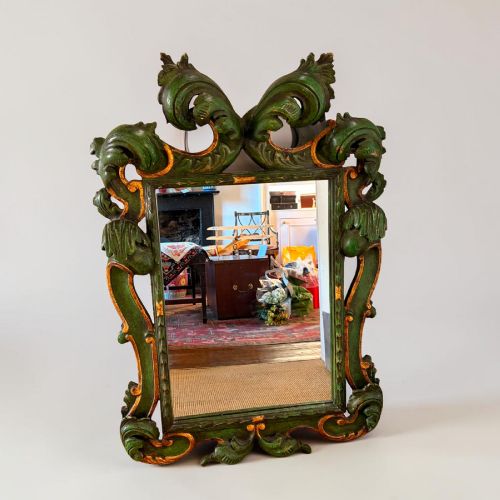
Folk art items like decoy ducks and rustic milking stools appear alongside grander Empire style beds and Florentine mirrors. This mix provides varied options for incorporating painted wooden elements into both traditional and country interiors.
How they were made
Construction relies primarily on timber bases formed from woods such as satinwood or general hardwoods, sometimes enhanced with carved wood details, brass fittings, or applied glass and canvas. Artisans applied multiple layers of paint, occasionally incorporating gold leaf, polychrome pigments, or distressed finishes.
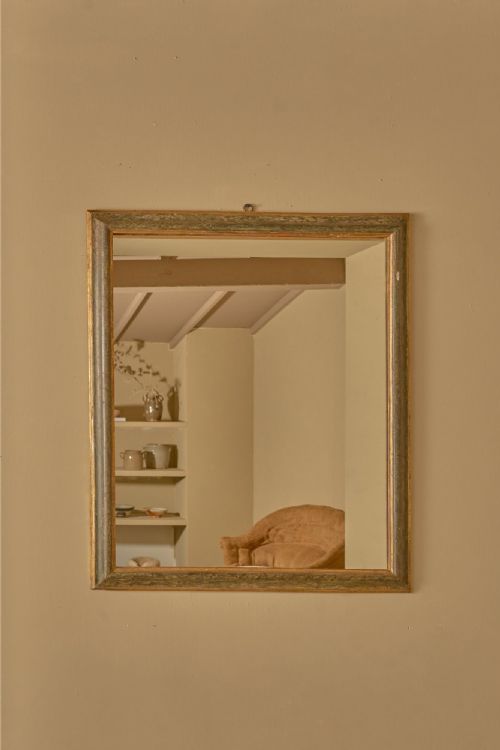
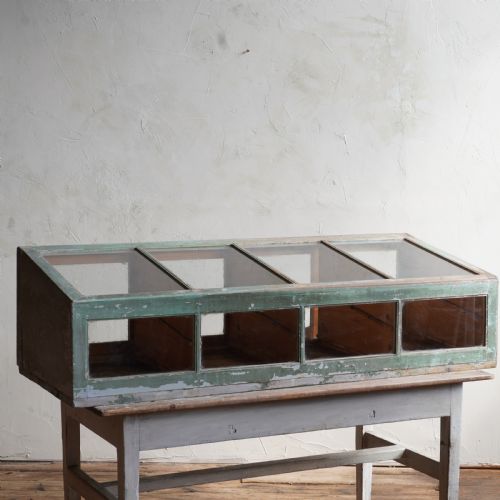
Surface treatment defines much of the visual appeal, utilising original or aged paint applications that span from delicate giltwood and olive green mirror frames to robust country finishes on utility items.
Green Painted Wood Retail Price Guide 2026
Typical asking prices for green painted wood among the pieces listed under this phrase on Sellingantiques today, from the lower quarter to the upper quarter. They describe what is for sale here now, not the wider market.
Listings feature items from the 18th century, 19th century, and 20th century, utilising wood, paint, brass, glass, gold leaf, and canvas.
What varies in quality
Quality rests on the integrity of the original construction and the preservation of the painted surface over time. Pieces with untouched or early patinated paintwork command greater appreciation among collectors than those with later repainting.
The refinement of the underlying joinery and carving distinguishes finer cabinet work and mirrors from simpler provincial or folk art utilitarian objects. Details like crisp mouldings, balanced proportions, and well-preserved decorative motifs elevate the standing of individual pieces.
Gillows Of Lancaster
The Green Painted Wood Glossary
- Gustavian
- A Swedish neoclassical style originating in the late 18th century, known for lighter proportions and pale painted finishes. It draws inspiration from French Louis XVI design adapted to Nordic tastes.
- Polychrome
- Decoration utilising multiple colours applied to wood, plaster, or stone surfaces. This technique appears frequently on Italian mirrors and decorative wall lights.
- Florentine
- A decorative style associated with Florence, often characterised by ornate carved wood, gilding, and rich surface ornamentation. It is commonly seen on 19th-century mirrors and sconces.
- Torchiere
- A tall decorative stand or candlestick holder designed to hold a light source. Antique examples often feature carved wooden shafts finished in original paint.
- Provincial
- Refers to items made in the regions rather than metropolitan centres, exhibiting local traditions and simpler craftsmanship. These pieces often display naive folk art characteristics.
Green Painted Wood: Frequently Asked Questions
How do I care for antique painted wood?
Keep items away from direct sunlight and fluctuating humidity to protect the paint layer from drying or flaking. Dust gently with a soft dry cloth without applying modern chemical cleaning sprays.
Preserving the original surface requires avoiding abrasive materials that might strip historic pigment. Maintain a stable indoor climate to ensure the underlying timber remains sound.
Is original paint important for value?
Original paint surface significantly enhances the historical integrity and appeal of wooden furniture and objects. Surviving early pigment shows the authentic evolution of the piece.
Later overpainting alters the visual character intended by the original maker or decorator. Collectors look closely at the depth and wear of the paint layers to determine authenticity.
Where were these pieces used historically?
Painted wooden items served practical and decorative roles across domestic spaces, from country parlours to chateaux. Bedside tables, cabinets, and chests provided essential bedroom and hallway storage.
Mirrors and wall lights brightened rooms by reflecting natural and candle light. Smaller items like milking stools and decoy ducks fulfilled everyday rural tasks.
How do I distinguish regional styles?
Regional aesthetics emerge through specific decorative motifs, colour choices, and construction methods. Swedish Gustavian pieces favour light tones and restrained neoclassical lines, while Italian Venetian work utilises richer polychrome and gilt finishes.
English country and provincial Dutch pieces often display simpler utility forms with robust painted surfaces. Examining these details helps identify the geographic origin of the woodwork.