




Green Marine Painting
Green marine painting brings coastal movement, harbour life and open water onto canvas and paper through the eyes of Victorian and twentieth-century artists.
Green Marine Painting
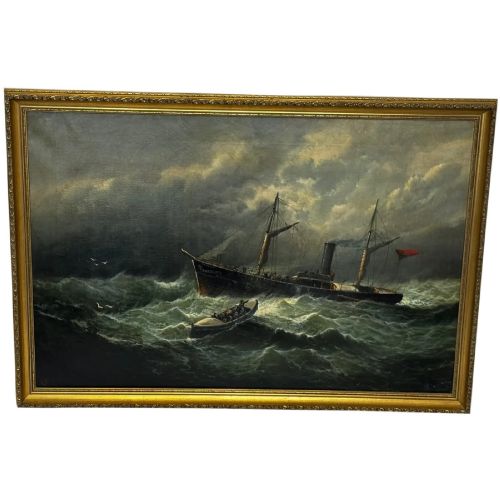
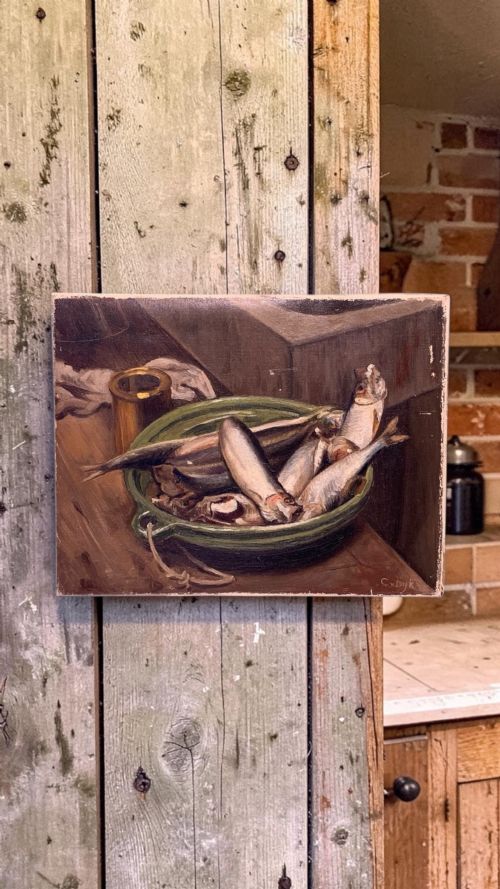
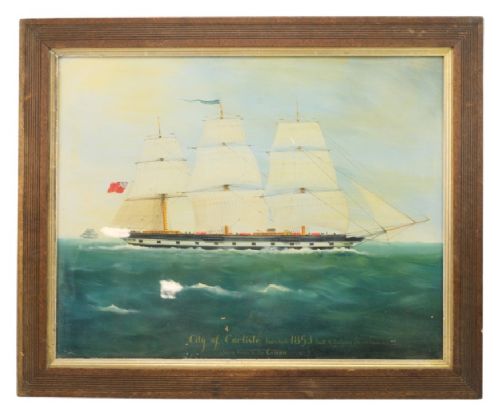
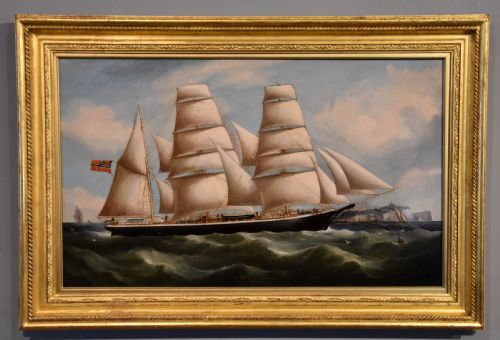
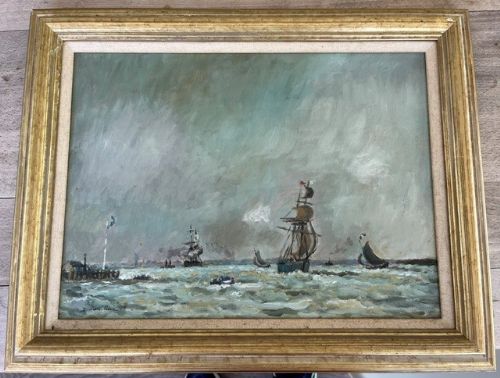
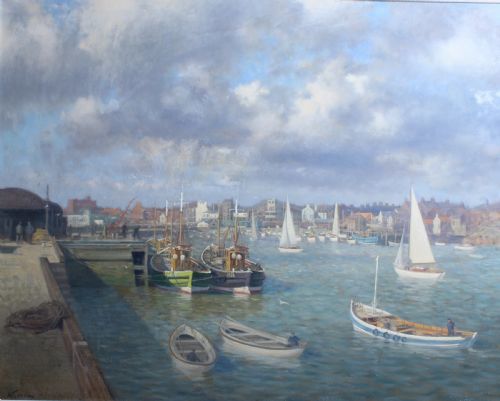
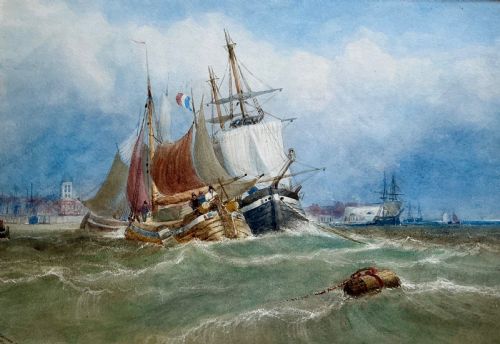
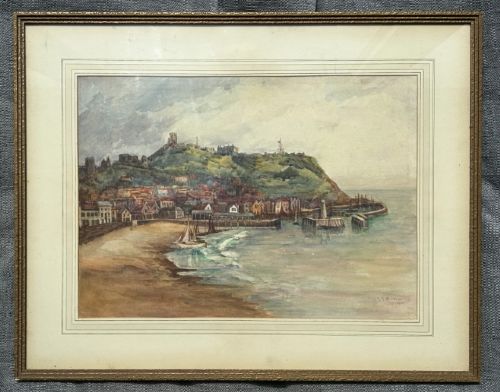
A green marine painting captures the shifting tones of coastal waters, rocky shores and harbour scenes from the nineteenth and twentieth centuries. These works include oil paintings on canvas or board, alongside delicate watercolours depicting British, French and Dutch shores.
Most examples originate from the Victorian era up to the mid-twentieth century, recording bustling fishing ports, tranquil bays and dramatic shipwrecks. Artists working en plein air or in coastal studios utilised varied brushwork to render the movement of the sea and sky.
How they were made
Painters relied principally on oil paint applied to canvas, wood or board, building texture through impasto strokes or smoothing pigment for calm expanses of water. Others utilised watercolour on paper, capturing light through translucent washes.
Framing often involved gilt wood mouldings that complemented the maritime subject matter, while some panels served specific decorative functions like smoke room wall art.
Listings span the nineteenth and twentieth centuries, incorporating oil, canvas, wood and watercolour materials across various maritime styles.
What varies in quality
Quality rests in the artist's handling of light, atmospheric depth and maritime accuracy, distinguishing confident painterly expression from static illustration. Works by recorded painters who mastered en plein air techniques demonstrate superior observation of coastal conditions.
The integration of canvas support, original wooden framing and the preservation of pigment vibrancy further divide standard decorative works from fine art examples.
Sidney A Court·William Broome·Richard B Spencer·Walter Goodin·Henry Barlow Carter·F A Roylance·James Fry·Marie-Edouard Adam·William Lambert Bell·William Tatton Winter·Charles Cameron Baillie·V Dybdal·William Savage Cooper·James Watson·Frank Rousse·GM de L'Aubiniere·Walter Meegan·Charles Martin Powell·J De Breanski·Edmund John Niemann·Samuel Bough·George Marks·Francis Holman
The Green Marine Painting Glossary
- Impasto
- Paint applied thickly to a canvas or board, leaving visible brush or knife marks that create a textured surface. This technique allows artists to render crashing waves and clouds with physical depth.
- En plein air
- The practice of painting outdoors to capture direct natural light and atmospheric conditions. It became widespread among nineteenth-century landscape and marine artists.
- Watercolour
- A painting method where fine pigment is suspended in a water-soluble binder and applied to paper. It relies on the white of the paper showing through translucent washes for luminosity.
- Gilt
- A thin layer of gold leaf or gold paint applied to wooden frames or panels. It provides a decorative border that isolates and highlights the painted scene.
Green Marine Painting: Frequently Asked Questions
What subjects appear in these paintings?
These artworks depict coastal landscapes, rocky seascapes, bustling harbours, and ships ranging from fishing boats to naval schooners.
Scenes frequently focus on specific British and European coastal locations, capturing local maritime activity and changing weather.
How do I date a marine painting?
Dating relies on stylistic evidence, artist signatures, framing materials, and the type of canvas or paper support used.
Nineteenth-century works often show formal rigging details, while twentieth-century pieces may adopt looser impressionist or modern brushwork.
Where should I hang a marine painting?
These works suit dining rooms, studies, or living spaces where natural light enhances the painted tones of water and sky.
Keep paintings away from direct sunlight and damp walls to preserve the canvas, paper, and gilt frames.
What is the difference between oil and watercolour?
Oil paintings utilise heavy pigments suspended in drying oils on canvas or wood, allowing for rich textures and layered colours.
Watercolours use water-soluble pigments on paper, offering a lighter, more translucent depiction of coastal light.