
Green Marble Table
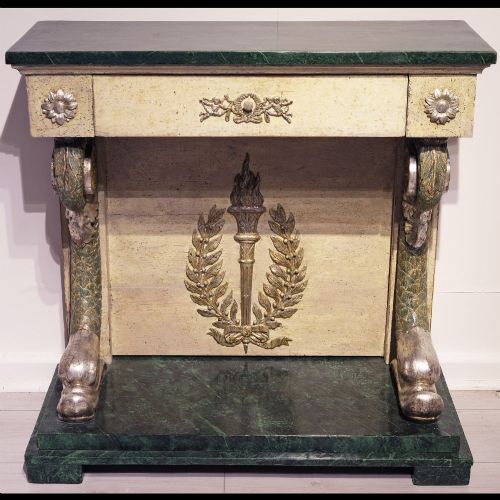
When you search for a green marble table, you are looking at substantial pieces of furniture united by distinctive stone tops and diverse periods.
Green Marble Table
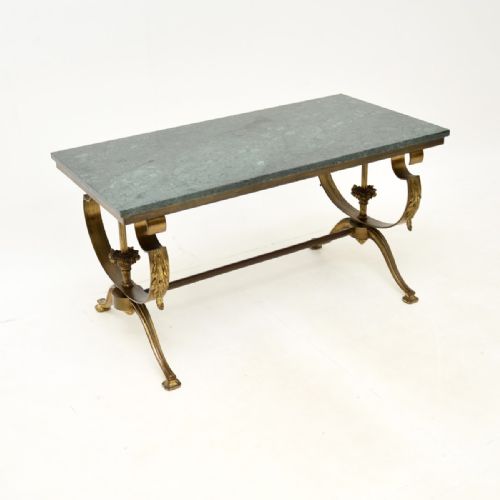
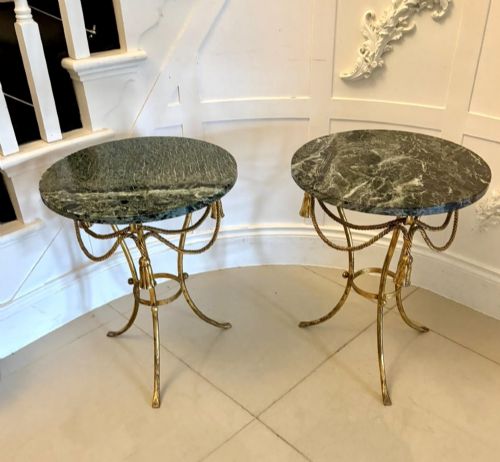
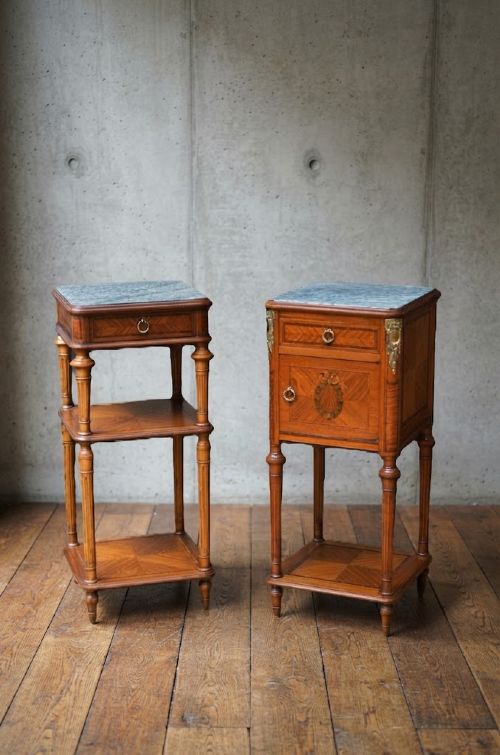
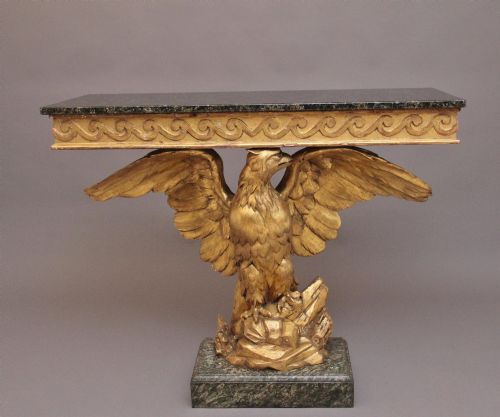
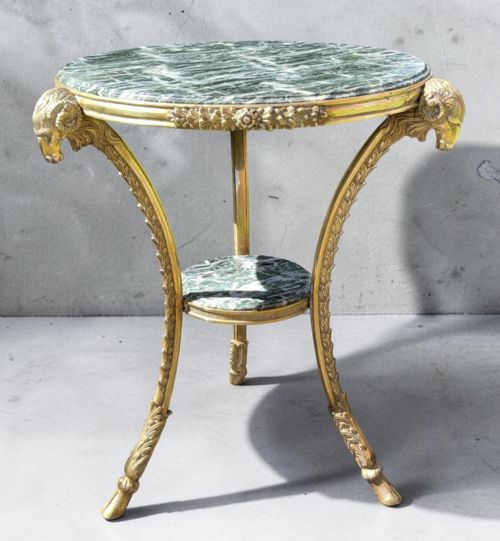
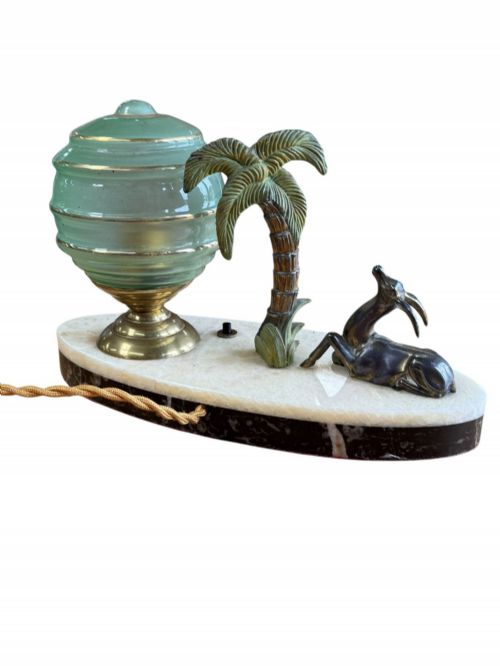
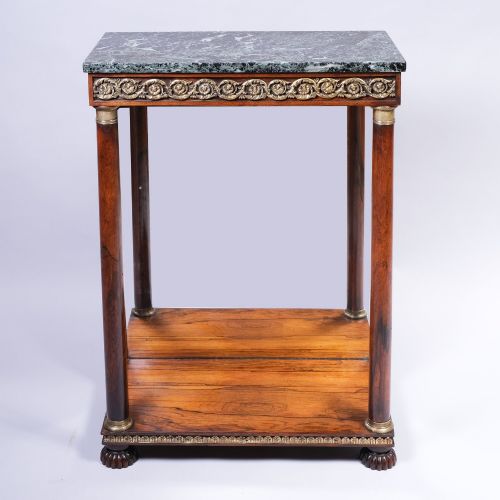
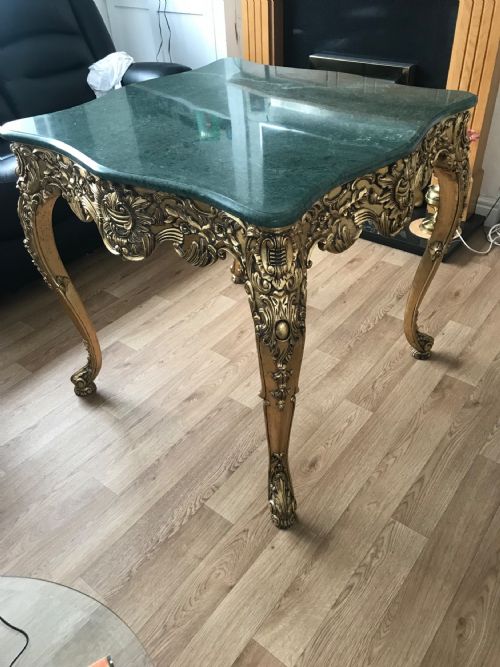
A green marble table encompasses forms such as console tables, centre tables, coffee tables, and side tables originating from the eighteenth century through to the Art Deco period. Console tables and occasional tables dominate the selection, frequently displaying continental European design influences.
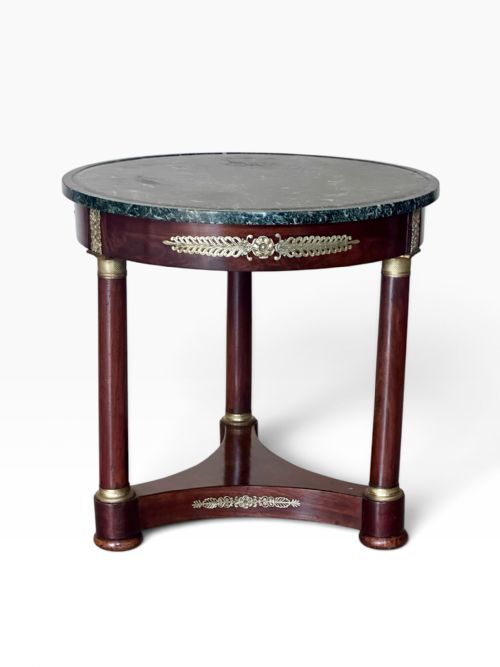
The materials paired with the stone include mahogany, brass, gilt bronze, ormolu, and giltwood. These pieces range from restrained neoclassical designs to decorative French Empire and Italian Rococo styles.
How they were made
Cabinetmakers utilised dense hardwoods like mahogany and satinwood for the structural frames, often incorporating brass mounts, cast bronze, or gilt metal details. Tops were cut from solid green marble or onyx, then polished to a smooth finish.
Joinery techniques varied by period, from traditional hand-cut joints in eighteenth and nineteenth-century furniture to the streamlined metal and chrome integration seen in Art Deco pieces.
Green Marble Table Retail Price Guide 2026
Typical asking prices for green marble table among the pieces listed under this phrase on Sellingantiques today, from the lower quarter to the upper quarter. They describe what is for sale here now, not the wider market.
Some green marble tables come equipped with hidden games boards for impromptu parlour entertainment.
What varies in quality
The refinement of the cast bronze or ormolu mounts separates standard production from superior examples. Finely chased metalwork indicates skilled craftsmanship.
The weight, depth of colour, and natural figuring of the green marble top determine the piece's visual impact, alongside the precision of the timber joinery.
Charles à Orléans·E Kahn
The Green Marble Table Glossary
- Gueridon
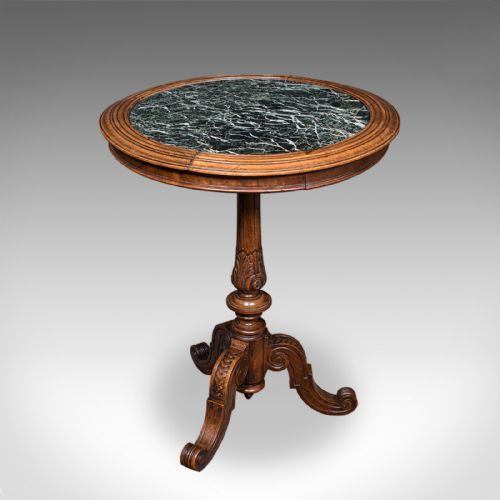
- A small circular table on a central pillar, often used as a centre table or light stand. These French forms frequently feature marble tops and brass mounts.
- Ormolu
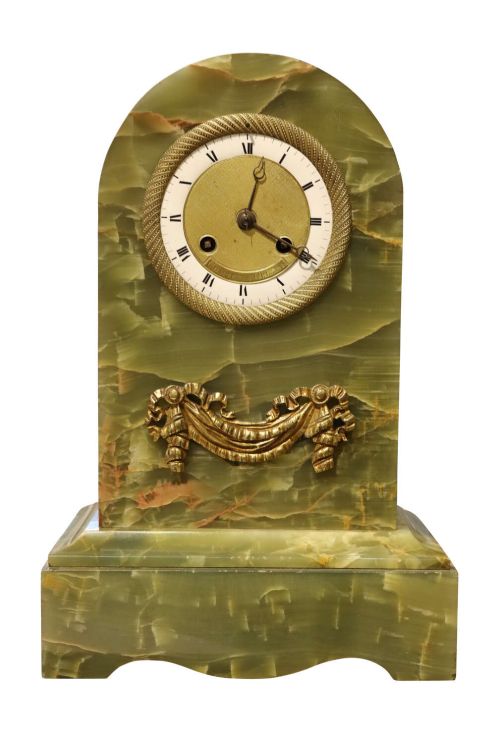
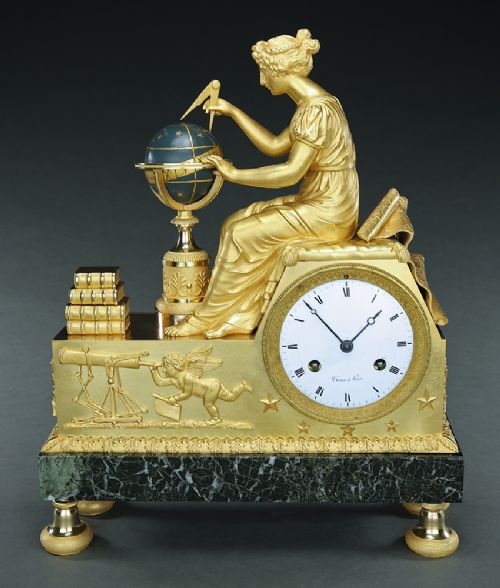
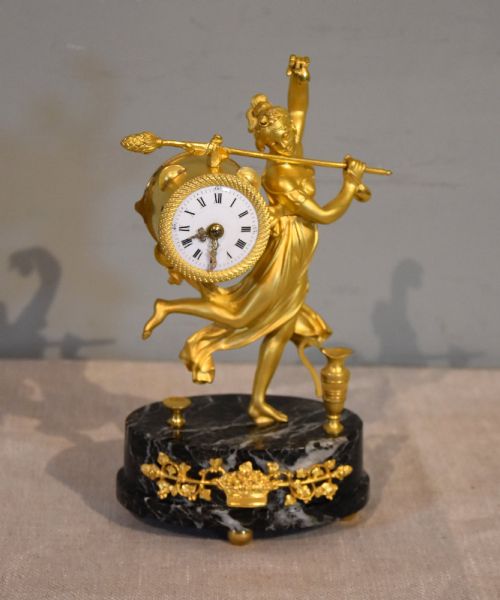
- Gilt bronze mounted on furniture or clocks, created through a mercury gilding process. It provides metallic contrast to the green marble surfaces.
- Console table
- A table designed to stand against a wall, frequently secured with brackets. They often showcase carved giltwood or mahogany frames supporting heavy stone tops.
- Neoclassical
- A style drawing on classical antiquity, prevalent in late eighteenth and nineteenth-century pieces. It emphasises symmetry, straight lines, and classical motifs.
Green Marble Table: Frequently Asked Questions
What periods do green marble tables come from?
The pieces span from the late eighteenth century through the Victorian era and into the Art Deco period of the 1920s and 1930s. Styles reflect the prevailing tastes of those decades, including French Empire, Louis XVI Revival, and Italian Rococo.
Earlier examples often feature mahogany or giltwood frames, while later twentieth-century versions incorporate chrome or brass alongside the stone tops.
How do I care for a green marble table?
Marble is a porous stone that is sensitive to acidic liquids, so spills should be cleaned immediately with a damp cloth. Avoid using harsh chemical cleaners or abrasive pads that can dull the polished surface.
Applying a specialist stone sealer periodically helps protect the top from staining while preserving the deep green colour and natural grain.
Were these tables used in specific rooms?
Console tables were typically placed in entrance halls or against drawing room walls beneath mirrors. Centre tables and gueridons stood in the middle of principal reception rooms to hold lamps or decorative objects.
Smaller side tables and coffee tables served functional roles beside seating areas in parlours and studies.
How can I distinguish between nineteenth-century and Art Deco tables?
Nineteenth-century tables frequently display ornate carvings, ormolu mounts, and traditional timber frames like mahogany or walnut inspired by French and classical styles. Art Deco pieces from the 1920s and 1930s favour cleaner geometric lines, chrome, and simpler profiles.
The construction methods and metal finishes on the frames generally align with the manufacturing standards of their respective decades.