







Green Marble Plinth
A green marble plinth lifts a bronze, urn or bust to catch the eye, bringing weight and classical balance to a room.
Green Marble Plinth
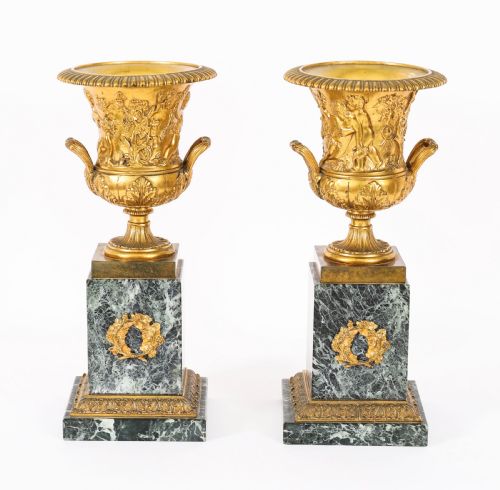
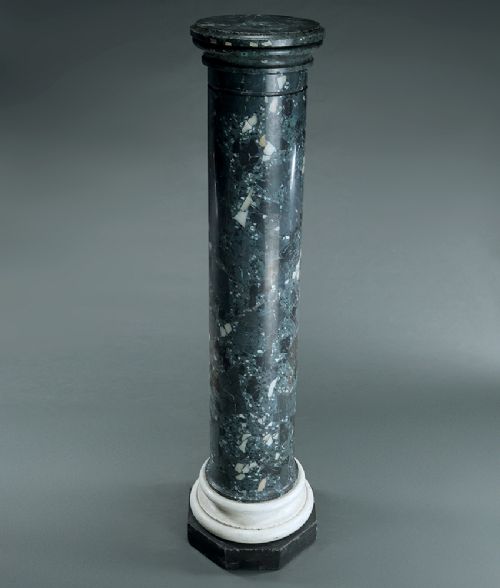
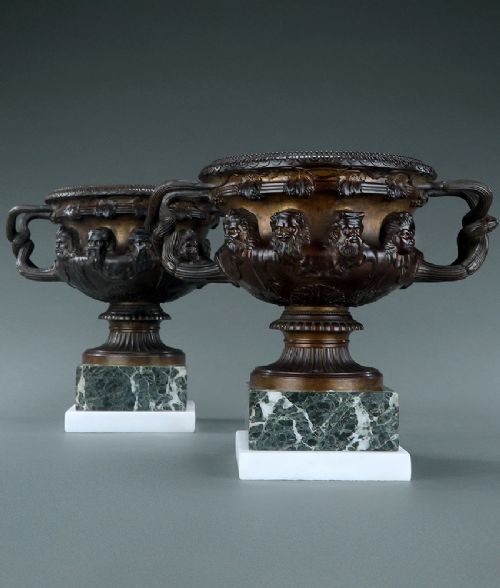
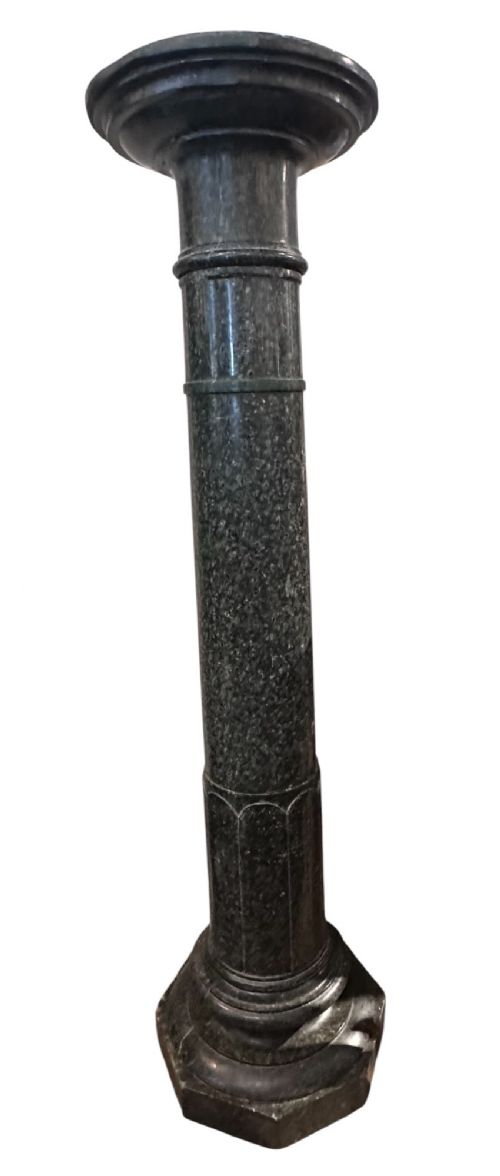
When you search for a green marble plinth, you are looking at solid stone bases, display columns and pedestals that support sculptures, vases and lamps. These items appear in various forms, from 19th-century Victorian columns to French Grand Tour display pieces.
The versions you are most likely to meet on this page span the Victorian and 19th-century periods, alongside later Art Deco figures mounted on onyx or marble bases. They range from tall architectural shafts designed to elevate a bust to low, heavy blocks built to anchor a bronze sculpture.
What varies in quality
The distinction between a standard support and an exceptional piece lies in the choice of mineral and the precision of the turnery. Rich, variegated green marbles with complex natural veining demand finer craftsmanship than uniform or simulated surfaces.
Proportion and stability dictate the upper tier of these pieces, where weight distribution ensures a heavy bronze or urn rests securely without wobble. The integration between the upper metal sculpture and the lower stone base reveals the care taken by the original maker.
A swift rotation of a vintage revolving plinth ensures every angle of a heavy bronze bird or dancer catches the afternoon light.
Josef Lorenzl
The Green Marble Plinth Glossary
- Verde Antico
- An ancient dark green serpentine marble mottled with white calcite veins. This material was prized by classical sculptors and later revived during the 19th century.
- Scagliola
- A composite material made from pigmented selenite, glue and splinters of marble, moulded to imitate natural stone. Craftsmen polished it to achieve a convincing glossy finish.
- Spelter
- A zinc alloy commonly cast into decorative figures and statuettes during the 19th and early 20th centuries. It was frequently painted to resemble bronze.
- Grand Tour
- A period of travel through Europe undertaken by young gentry to collect art and antiquities. Souvenirs from these journeys included small bronzes and marble architectural fragments.
- Neoclassical
- A style inspired by the classical art and architecture of ancient Greece and Rome. It emphasises symmetry, proportion and sober dignity in decorative objects.
Green Marble Plinth: Frequently Asked Questions
How do I clean a marble plinth?
Dust the surface regularly with a soft, dry cloth to prevent grit from scratching the polished mineral finish.
Avoid acidic cleaning products, water and oils, which can penetrate porous stone and dull the sheen over time.
What is the difference between marble and onyx?
True marble is a metamorphic rock formed from recrystallised carbonate minerals, showing dense and varied veining.
Onyx is a banded variety of chalcedony quartz that often exhibits a degree of translucency when exposed to light.
How do I date a marble column?
Examine the turning marks, the composition of the base materials and any mounting hardware visible beneath the plinth.
Victorian and 19th-century pieces often display hand-finished details and specific assembly methods distinct from later manufacture.