


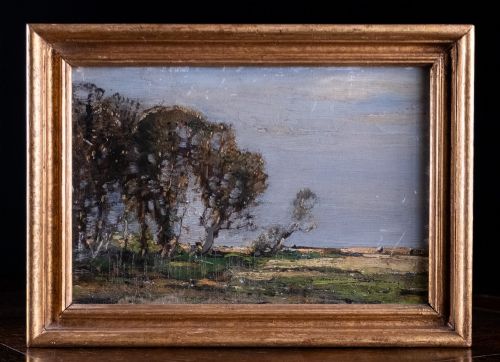
Green Landscape Wall Painting
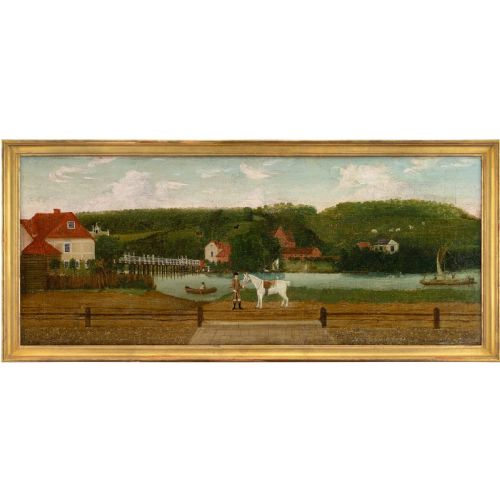
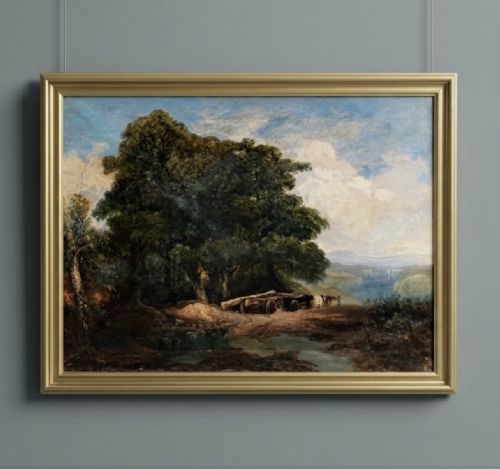
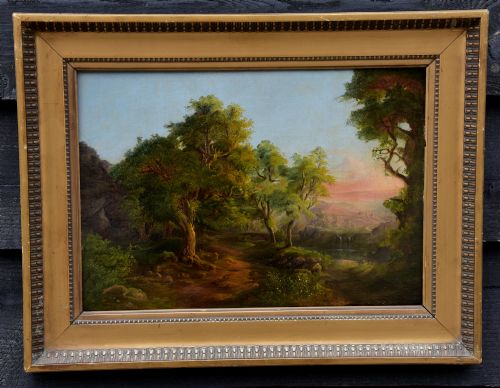
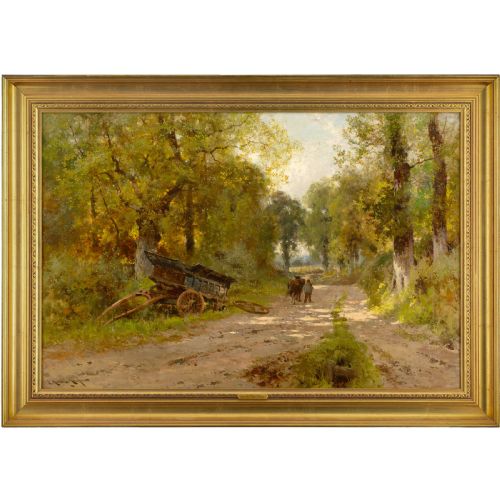
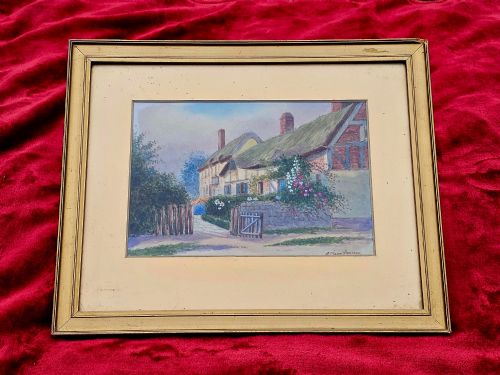
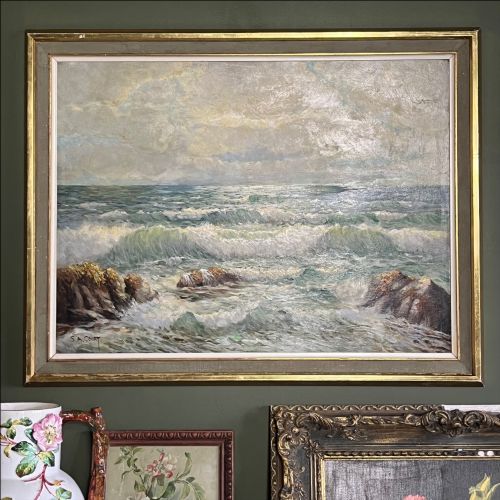
Green landscape wall painting captures verdant scenery through oil, watercolour and pastel, offering buyers a connection to historical countryside views.
Green Landscape Wall Painting
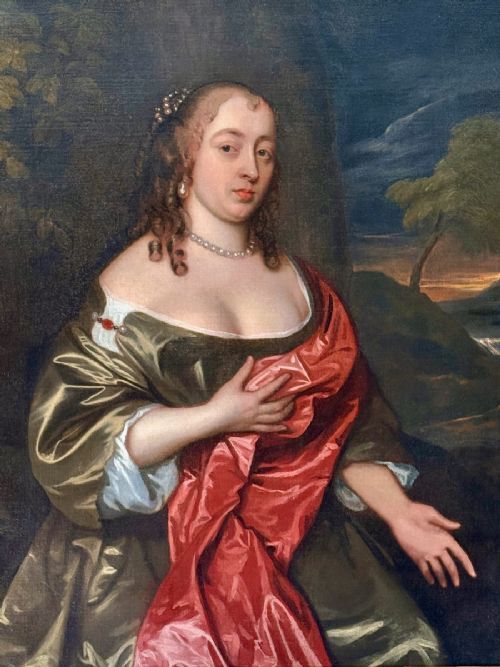
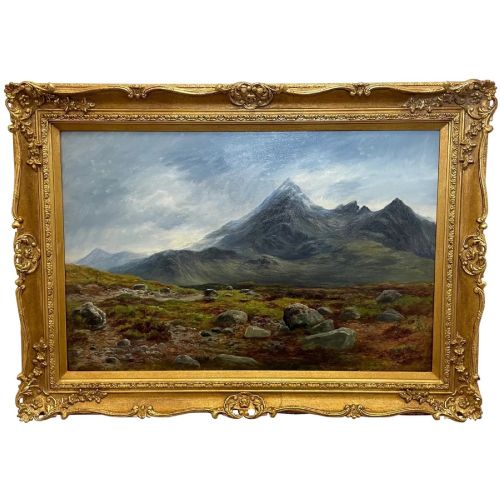
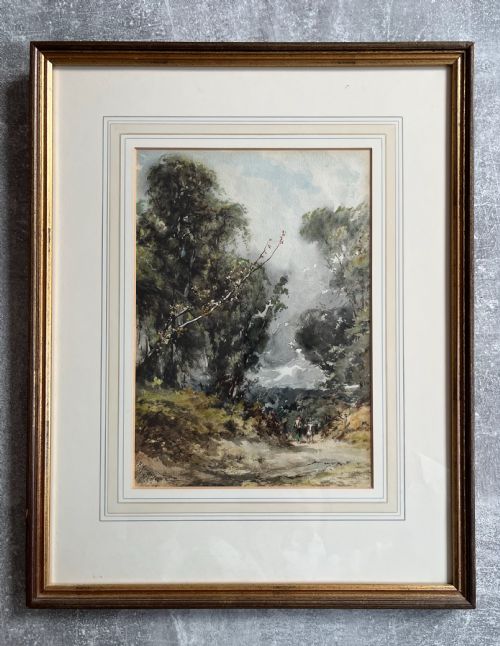
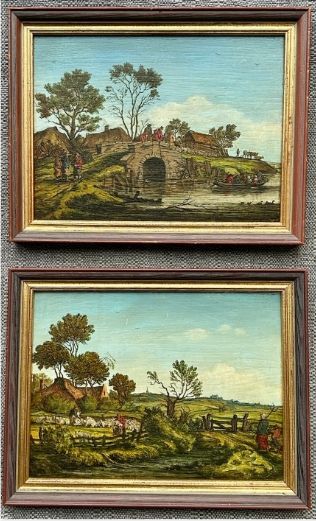
A green landscape wall painting depicts natural vistas dominated by foliage, fields, and rural settings across multiple historical periods. Buyers examining this page encounter works ranging from Victorian watercolours to twentieth-century oil paintings on canvas, board, and wood panel.
The selection includes framed artwork originating from British, Scottish, and continental European schools. These pieces frequently portray woodlands, river valleys, coastal scenes, and pastoral life rendered by named artists and regional painters.
How They Were Made
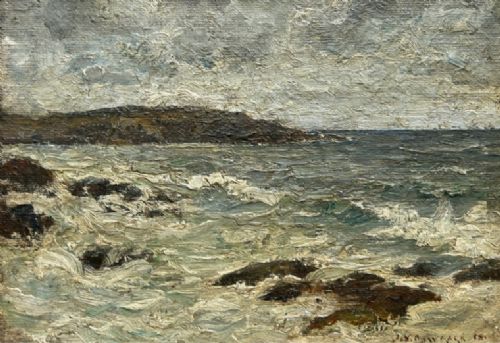
Artists applied oil paint and watercolour across supports of canvas, paper, wood panels, and card, often incorporating visible impasto texture. Works were enclosed in frames of wood and glass, frequently accented with gilt details.
Makers utilised traditional techniques spanning en plein air observation and studio composition, employing mediums such as pastel alongside oil and water-based pigments to capture atmospheric light and natural pigment tones.
Among the fields and rivers, an attentive flock of sheep and a stray dog occasionally populate the green pastures.
What Varies in Quality
The standard of execution depends on the artist's handling of light, brushwork confidence, and compositional balance within the natural setting. Works demonstrating distinct tonal control and assured handling of foliage stand apart from more formulaic provincial productions.
The preservation of the original support material, whether canvas, board, or paper, alongside the integrity of the painted surface and associated framing, influences the overall character and visual impact of the piece.
Richard Sebastian Bond·William Beattie Brown·George Fotherly Hargitt·Tom Campbell·Alfred Young Nutt·John Horace Hooper·Sidney A Court·Kershaw Schofield·George Houston·Herbert Royle·Robert Morson Hughes·Thomas W Lascelles·Gabriel Mathieu·David Bates·Benjamin Barker Of Bath·Charles Houben·Walter Heath Williams·Antonio DeVity·Lucy Pratt·Ernest Arthur Rowe·Frederick Walker·Alfred Wolmark
The Green Landscape Wall Painting Glossary
- Oil paint
- A slow-drying medium composed of pigments suspended in a drying oil, typically linseed. This technique allows for rich colour blending and textured impasto effects.
- Watercolour
- A painting method where water-soluble pigments are applied to paper supports. It produces translucent washes and delicate atmospheric effects.
- Impasto
- A technique where paint is laid onto a surface in thick layers that stand out from the canvas. This process retains visible brush or palette knife marks.
- Wood panel
- A rigid wooden support used by artists before canvas became dominant. It provides a stable surface for detailed landscape compositions.
- Post-Impressionism
- An art movement extending beyond Impressionism while rejecting its limitations. Artists prioritised symbolic content and expressive use of paint.
Green Landscape Wall Painting: Frequently Asked Questions
What periods do these paintings represent?
The selection spans the nineteenth century through to the mid-twentieth century, encompassing Victorian, Edwardian, and post-impressionist eras.
Works reflect stylistic shifts from traditional topographical recording to looser, plein air interpretations of the natural environment.
How should I hang a landscape painting?
These framed artworks suit placement at eye level in living spaces, studies, or hallways where natural light complements the painted palette.
Ensure the piece is positioned away from direct sunlight and damp conditions to protect the canvas, paper, and wooden frame over time.
What is the difference between oil and watercolour?
Oil paintings utilise pigment bound in drying oil on canvas, board, or wood, offering a heavier texture and deep colour saturation. Watercolours apply water-soluble pigments onto paper, yielding a lighter and more translucent finish.
Are these works signed by the artist?
Many examples feature original signatures, monograms, or period attribution labels indicating the creator or the producing European school.
Unsigned pieces are typically attributed through stylistic comparison, recorded provenance, or historical framing details.