


Green Lamp Shade
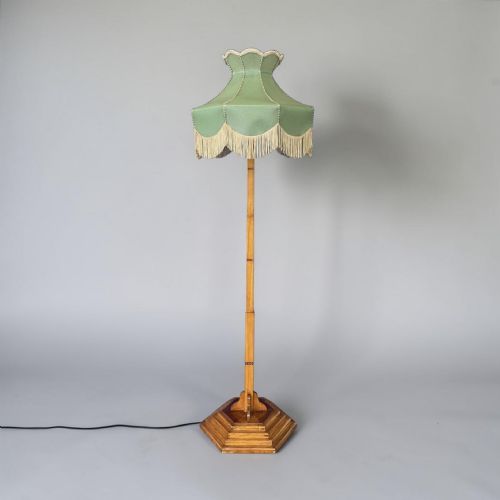
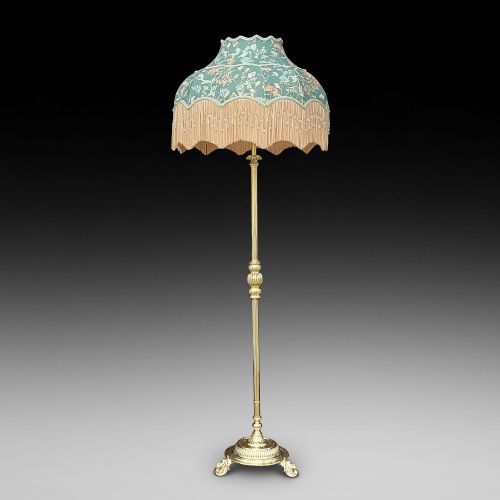
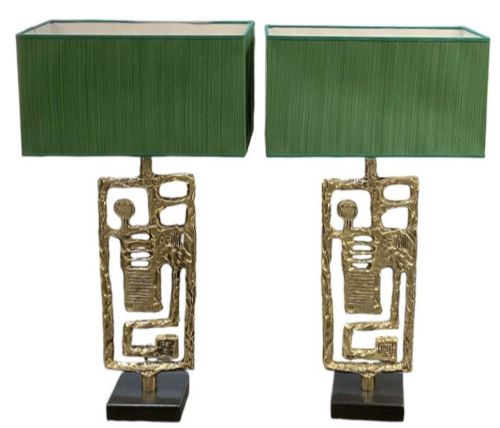
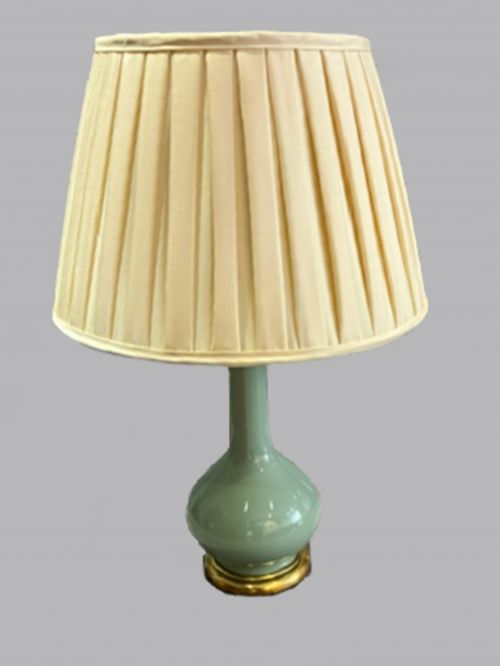
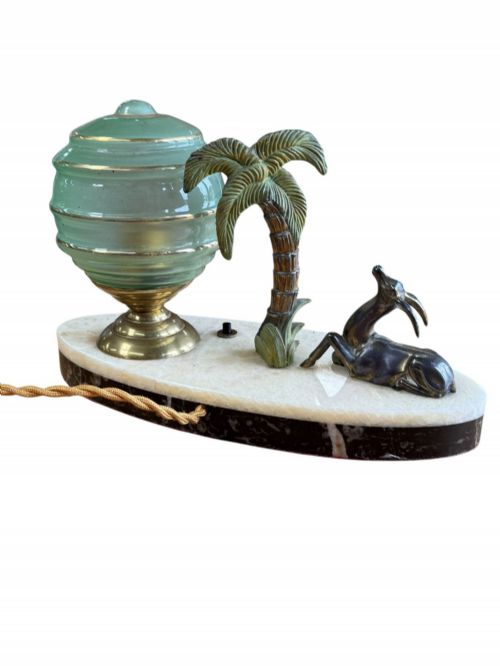
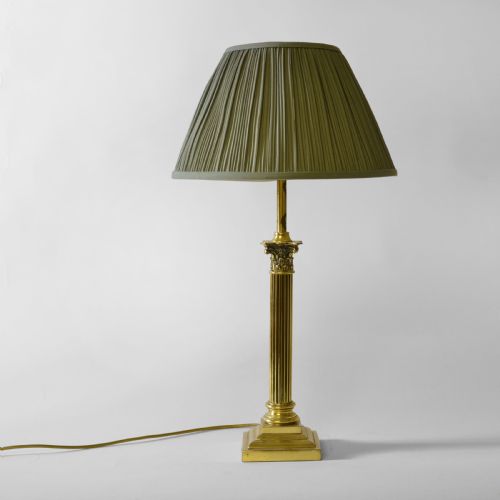
A green lamp shade brings a rich, focused pool of coloured light to a desk or reading corner, combining brass, glass, and toleware.
Green Lamp Shade
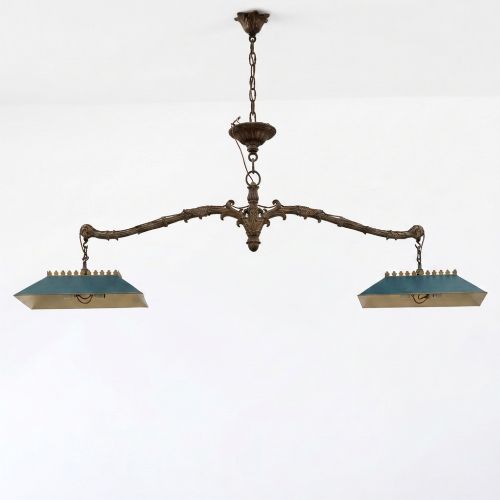
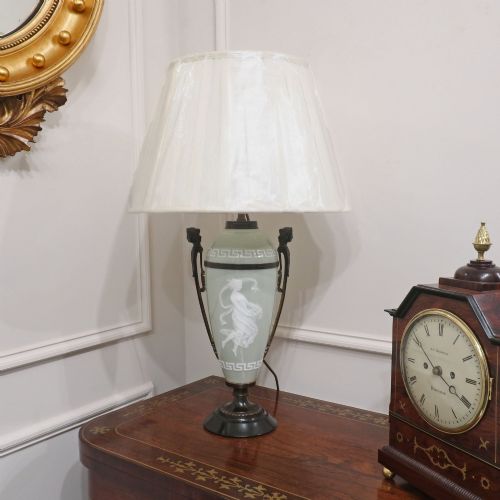
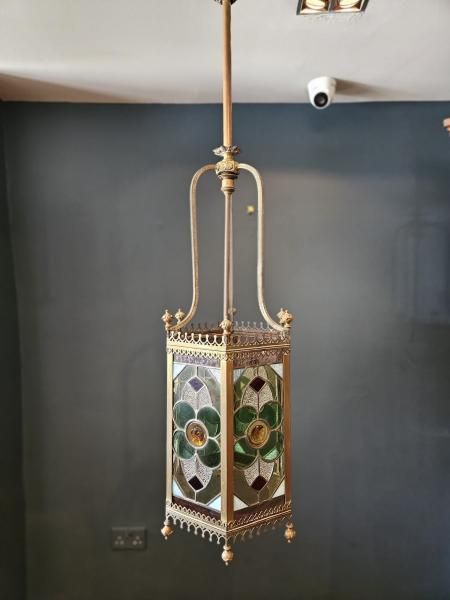
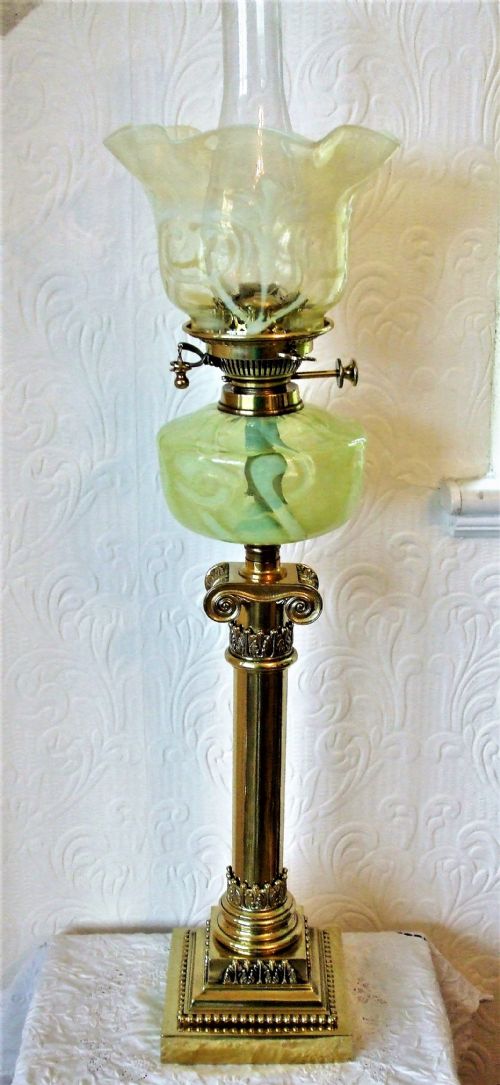
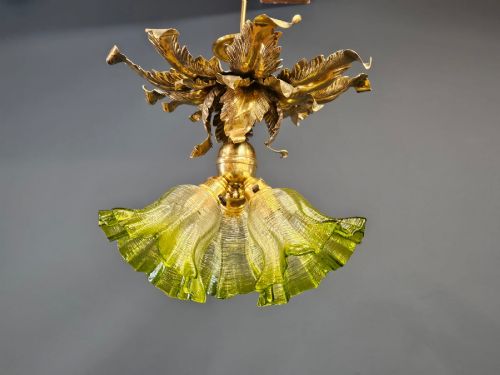
A green lamp shade encompasses various forms designed to direct light downwards while adding a distinct colour accent to a room. When searching for a green lamp shade, buyers encounter traditional oil lamp globes, bouillotte desk lamp shades, and industrial enamel pendants dating from the nineteenth century to the Art Deco period.
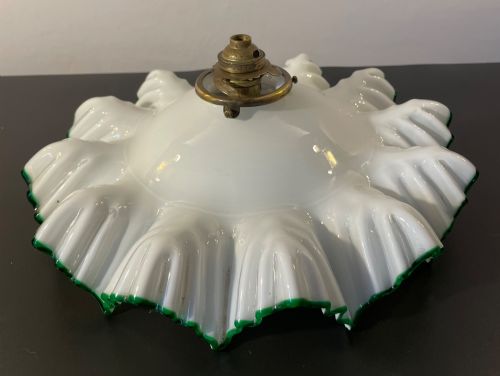
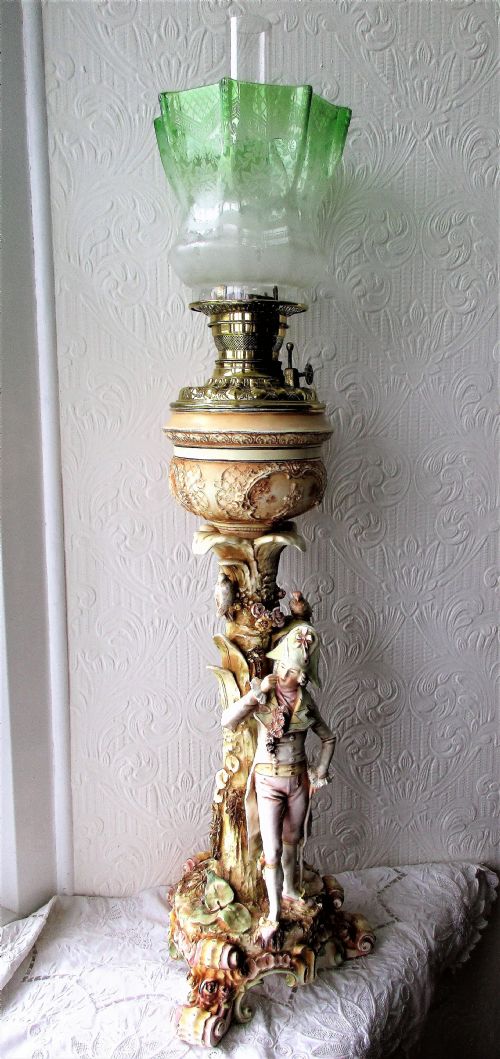
The selection ranges from Victorian glass tulip globes and frilled fabric designs to French toleware and metal shades paired with brass bases. These pieces serve functional lighting roles in studies and living spaces, drawing on periods such as the Edwardian era and the 1930s.
How they were made
Materials span spun and cast brass, moulded glass, painted toleware, and enamel over metal. Glass shades often utilise satin glass or cased glass techniques to achieve deep colour saturation, while metal shades employ hand-painted finishes or vitreous enamel fired onto iron.
Mounting hardware incorporates adjustable brass fittings, ceramic elements, and patinated bronze components. Construction methods reflect period manufacturing, from hand-finished Victorian oil lamp burners to early twentieth-century industrial pressing.
Victorian microscopy candle shades show that even the smallest scientific tasks demanded proper illumination.
What varies in quality
Quality rests in the depth of materials and the integrity of original components, such as hand-cut glass or heavy-gauge brass and toleware. Superior examples retain their original surface patination, colour consistency, and matching hardware without later replacement parts.
The sophistication of the silhouette and the harmony between shade and base distinguish finer items. Pieces demonstrating careful hand-finishing, such as subtle gradations in glass shades or refined cast brass mounts, stand apart from standard production.
Angelo Brotto for Esperia·M Pillischer of London·F. De Luca
The Green Lamp Shade Glossary
- Toleware
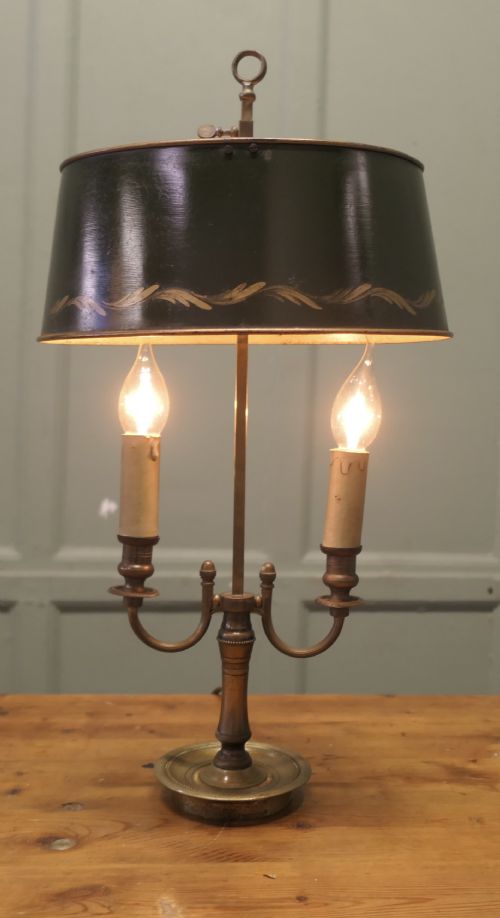
- Painted or lacquered sheet metal items popular in desk lamps and bouillotte lights. This technique allows for rich green surfaces often accented with gilt details.
- Bouillotte
- A type of adjustable desk lamp featuring a central candle or light source beneath a broad shade. The adjustable metal shade directs illumination downwards onto a card table or writing desk.
- Cased glass
- Glass made by fusing a layer of coloured glass over a layer of white or clear glass. This method creates vibrant exterior hues while maintaining reflective interior qualities.
- Pendant light
- A lighting fixture suspended from the ceiling by a cord, chain, or metal rod. These often utilise green enamel or glass shades to cast direct downward illumination.
Green Lamp Shade: Frequently Asked Questions
How do I style a green lamp shade?
A green lamp shade works well on desks, side tables, or reading corners where focused, directional light is required. Pair them with brass or bronze bases to complement traditional and period interiors.
They also suit industrial and Art Deco settings, adding warmth and contrast to neutral or wood-panelled rooms.
Are these shades made of glass or metal?
The selection includes both glass and metal options, depending on the specific period and style. Glass shades are common in Victorian oil lamps and tulip globes.
Metal shades, particularly painted toleware and vitreous enamel, frequently appear on desk lamps and industrial pendant lights.
What is a bouillotte lamp?
A bouillotte lamp is a traditional desk or table light featuring a central light source and an adjustable metal shade. The shade moves up and down a central rod to control the spread of illumination.
These typically combine brass or bronze structures with green toleware shades.
How do I date an antique green lamp shade?
Dating relies on material characteristics, manufacturing techniques, and the associated lamp base or mounting hardware. Victorian examples often feature hand-blown glass or heavy brass oil lamp fittings.
Twentieth-century pieces introduce enamel finishes, chrome elements, and streamlined Art Deco forms.