
Victorian Column Lighting
Victorian column lighting brings stately vertical presence and steady illumination to a room, driven by heavy metal standards and classical proportions.

Victorian Column Lighting
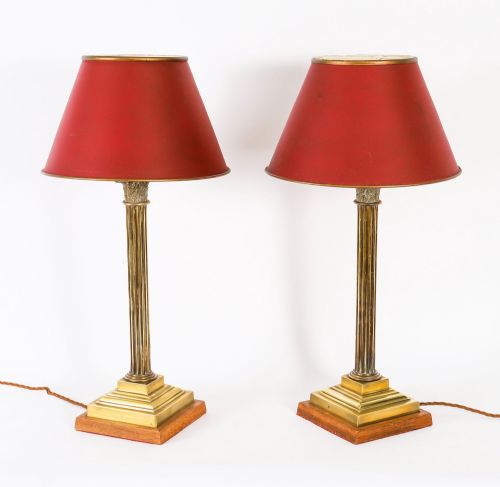
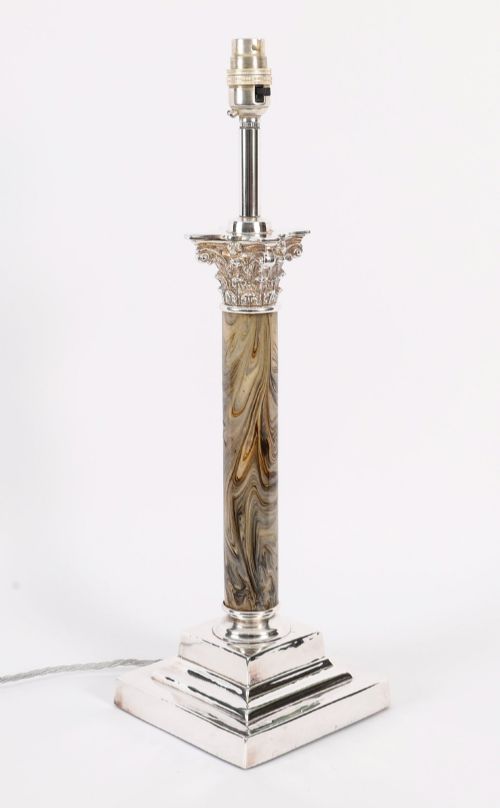
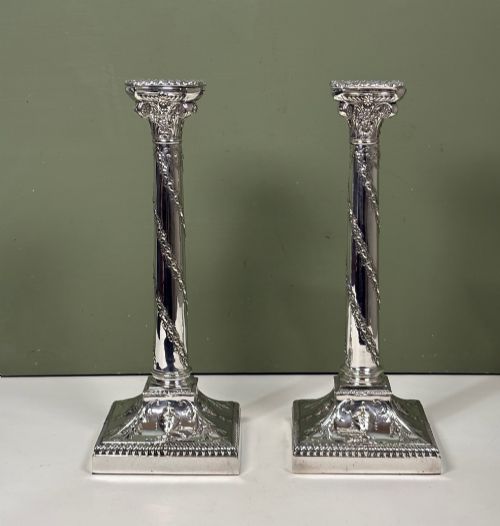
Victorian column lighting comprises upright standards, table lamps, oil lamps, and candlesticks modeled on classical architectural orders. Buyers searching for victorian column lighting encounter tall shafts resting on stepped or square bases, with brass and silver plating forming the primary structural framework.
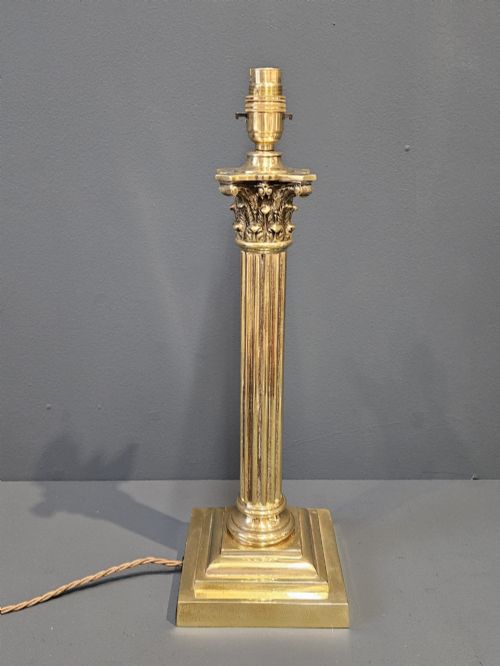
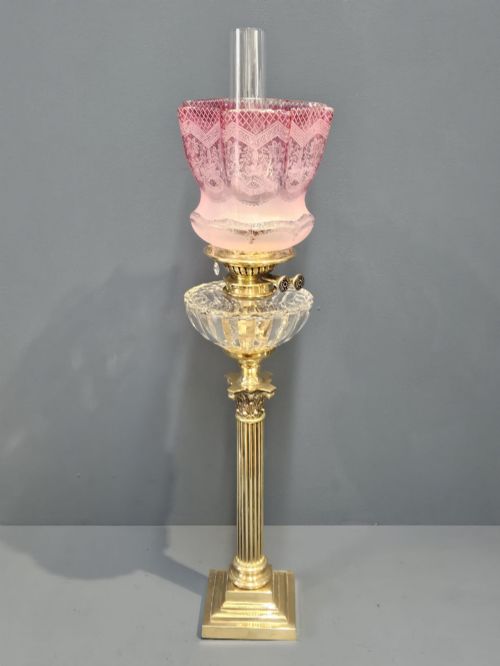
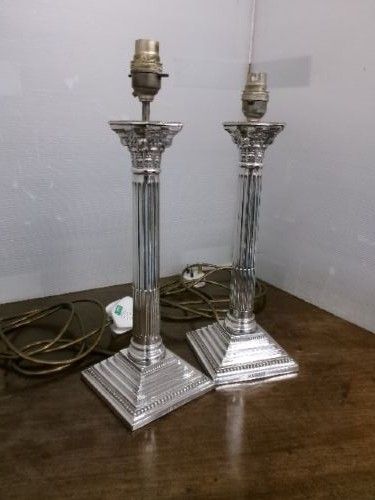
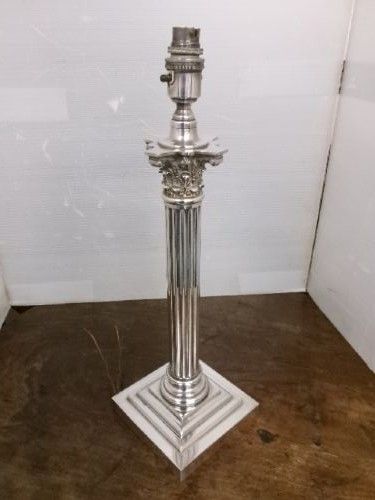
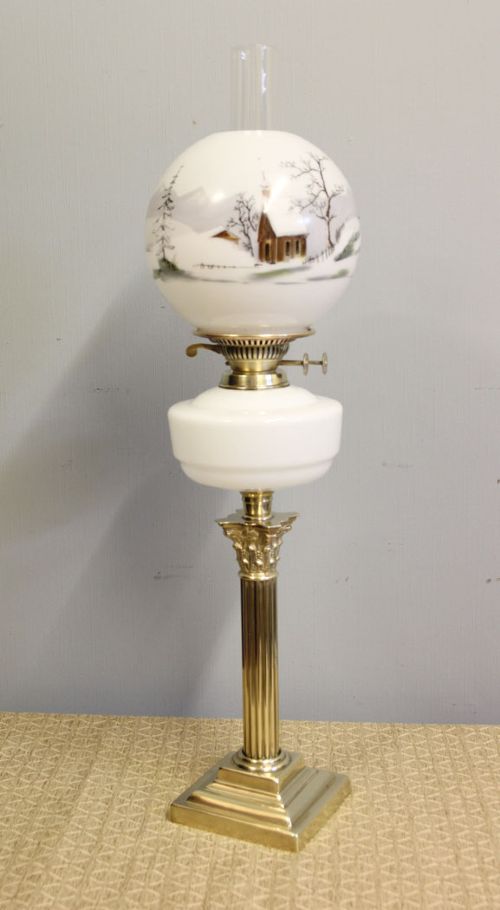
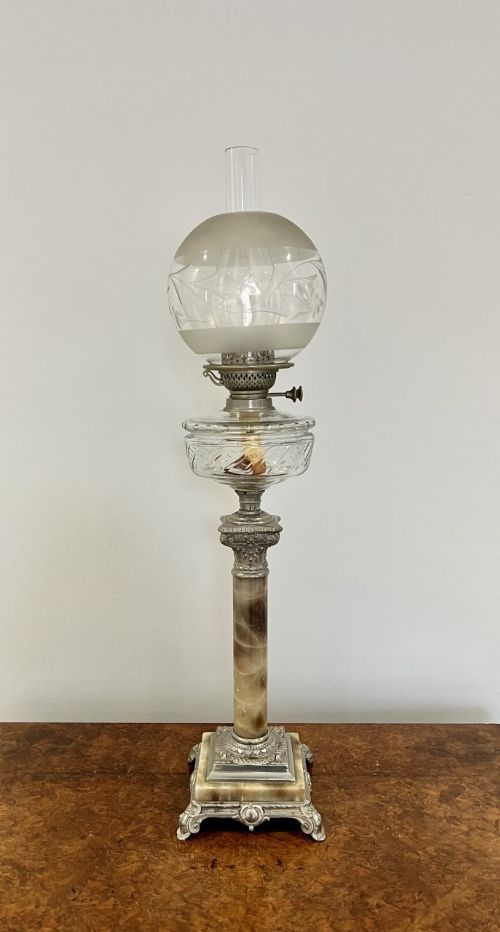
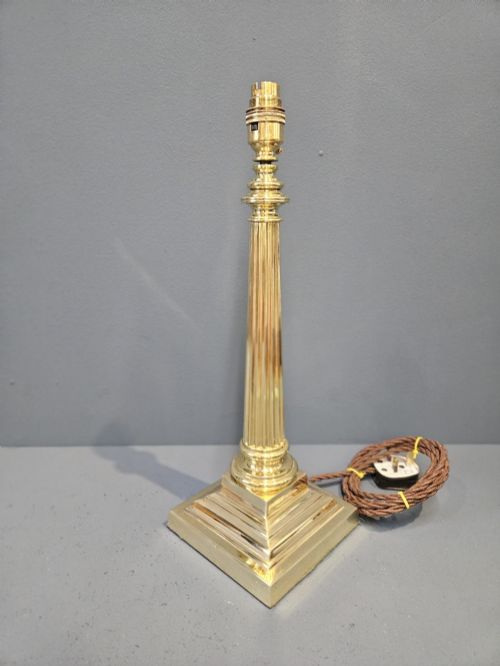
The prevailing form on this page is the Corinthian column table lamp, frequently paired with oil burners or converted for electrical use. These pieces borrow heavily from nineteenth-century revivals, incorporating fluted shafts and elaborate capital details that echo ancient stone temples in domestic metalwork.
How they were made
Makers utilised cast brass, silver plate, and heavy base metals to build stable columns capable of supporting oil reservoirs or heavy shades. Metal components were often cast in sections, threaded together, and mounted on weighted plinths of marble, onyx, or timber to prevent tipping.
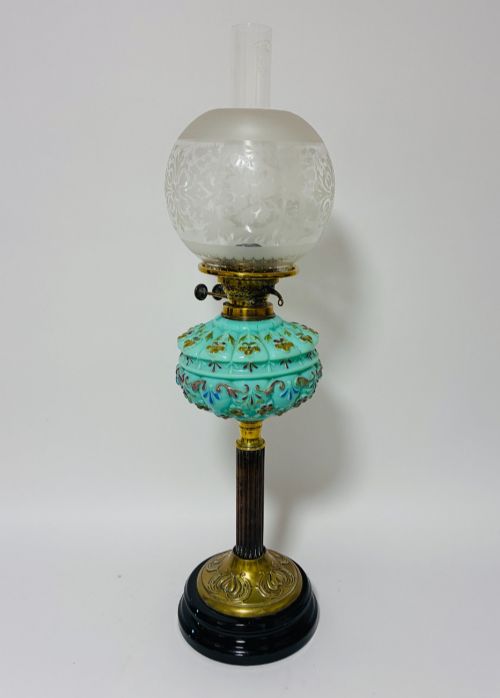
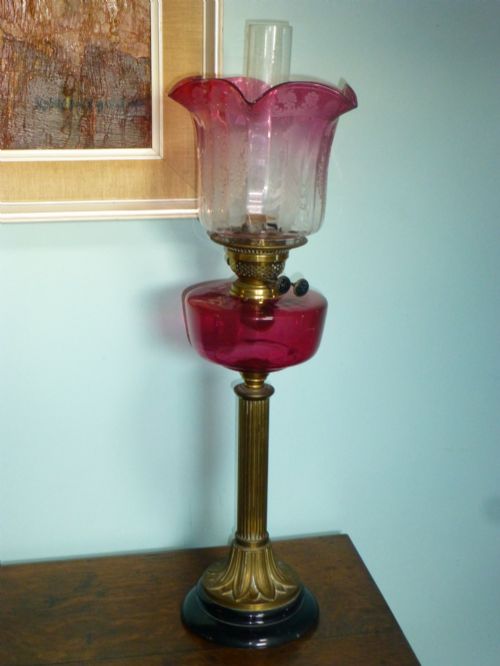
Glass reservoirs and decorative shades - including opaline and cranberry varieties - were blown or moulded separately before being fitted to metal burners and galleries. Details like acanthus leaves on column capitals relied on careful chasing and finishing of cast bronze or brass.
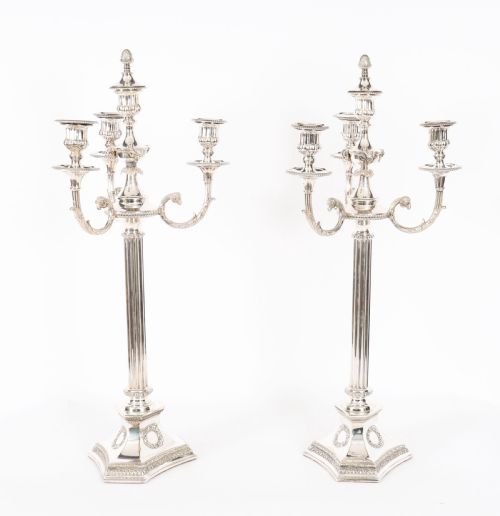
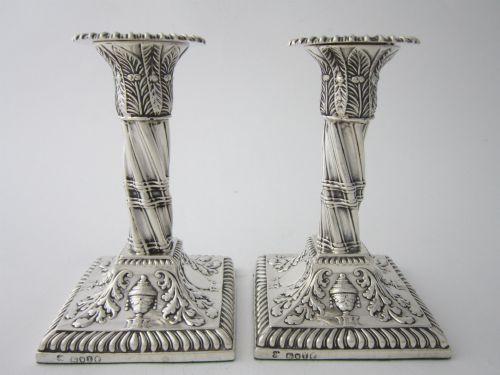
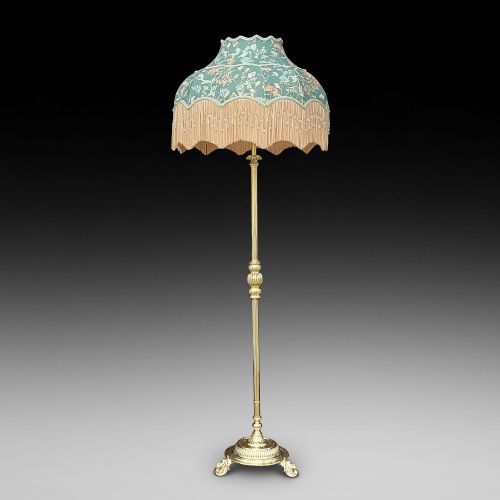
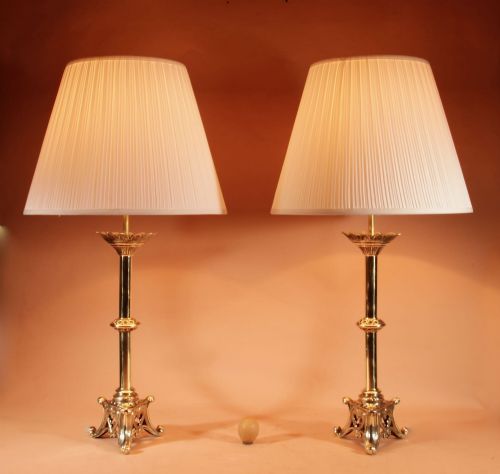
Object forms range from standard floor lamps and table lamps to oil lamps, candlesticks, and multi-light candelabra.
What varies in quality
The crispness of the casting on the Corinthian capital separates standard production from finer examples. Sharp, deep relief work in the acanthus foliage and volutes indicates a meticulous hand in the original foundry work.
The weight and gauge of the brass or silver plating dictate the structural integrity and longevity of the piece. Substantial metal thickness and robust internal threading ensure the column stands straight without leaning over decades of use.
The Victorian Column Lighting Glossary
- Corinthian column
- An architectural order featuring an ornate capital decorated with acanthus leaves and scrolls. This motif defines the majority of metal table lamps from the period.
- Duplex burner
- A double-wick mechanism developed in the nineteenth century to produce a brighter oil flame. It allowed burners to generate significantly more light than single-wick predecessors.
- Opaline glass
- A pale, translucent glass often tinted in soft colours like pink or white. It was frequently utilised for oil lamp reservoirs and decorative shades.
- Standard lamp
- A tall floor-standing lighting fixture designed to illuminate a room from a vertical post. These pieces often feature adjustable brass columns or weighted timber bases.
Victorian Column Lighting: Frequently Asked Questions
What is a Corinthian column lamp?
A Corinthian column lamp is a vertical lighting fixture featuring the ornate capital and fluted shaft characteristic of classical architecture. These pieces were originally designed for oil and later adapted for electricity.
They appear frequently in brass and silver plate, bringing a formal architectural aesthetic to domestic interiors.
Were these lamps originally electric?
Most of these fixtures began as oil lamps or candlesticks before later conversion to electricity during the twentieth century. Burners and reservoirs were routinely removed or modified to house standard electrical wiring and bulb holders.
Original oil lamp components such as duplex burners and glass shades frequently remain intact alongside modern fittings.
How do I identify a Victorian lamp?
Victorian lamps are identified through period materials such as heavy cast brass, silver plate, opaline glass, and onyx bases. Construction methods typically involve threaded metal components and hand-finished cast capitals rather than modern stamped sheet metal.
Stylistic cues draw heavily from nineteenth-century classical revivals, Gothic forms, and nineteenth-century manufacturing patents.
What materials are used in these bases?
Bases and columns incorporate brass, silver plate, cast iron, marble, onyx, and timber such as lignum vitae. These dense materials provide the necessary weight to support tall shafts and glass shades safely.
Secondary materials include opaline and cranberry glass for the reservoirs and shades mounted atop the metal columns.