



Green Glazed Vases
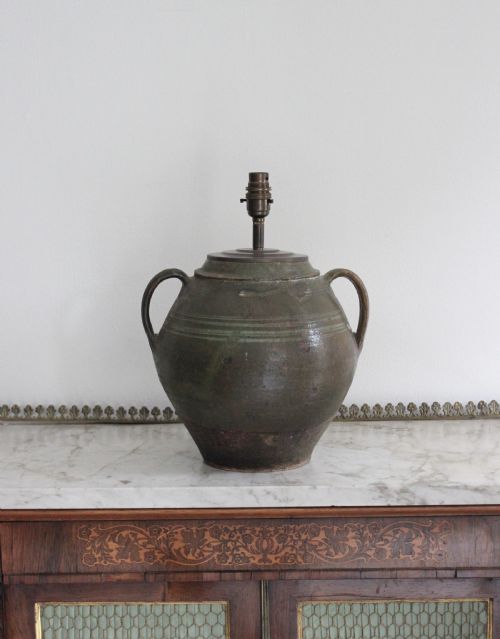
Green glazed vases bring together rich earthen tones and fluid ceramic surfaces from the nineteenth and early twentieth centuries.
Green Glazed Vases
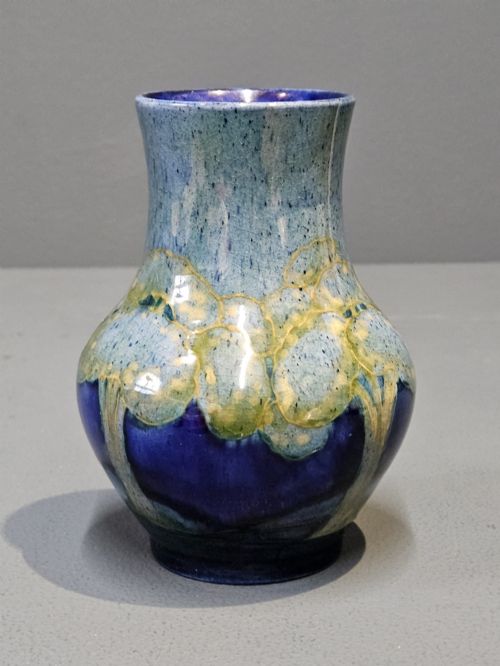
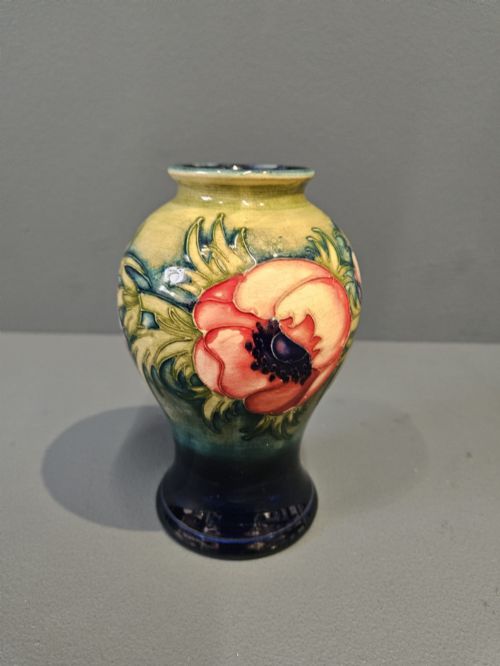
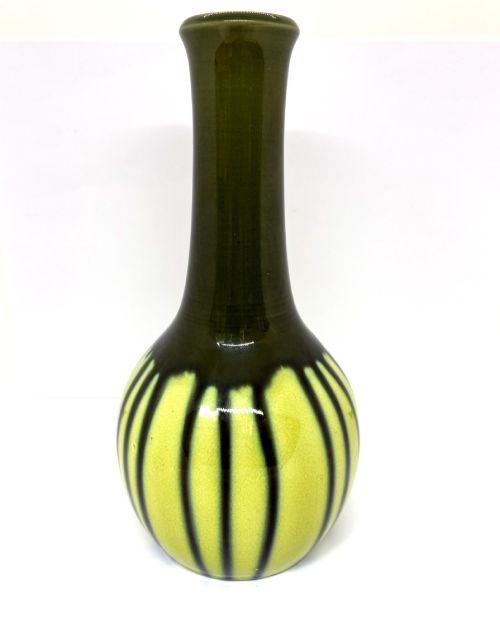
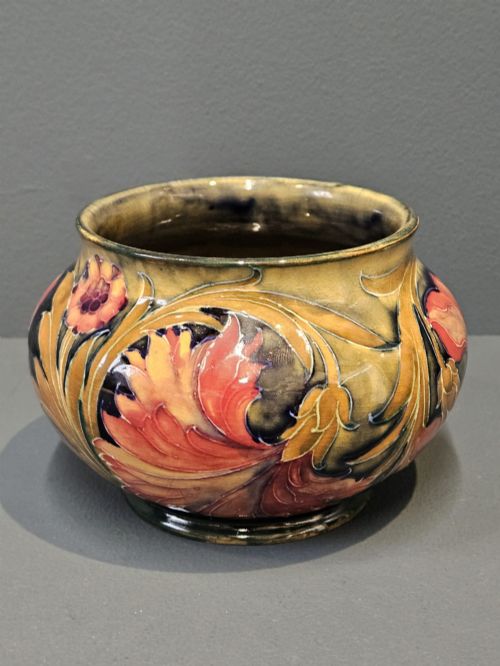
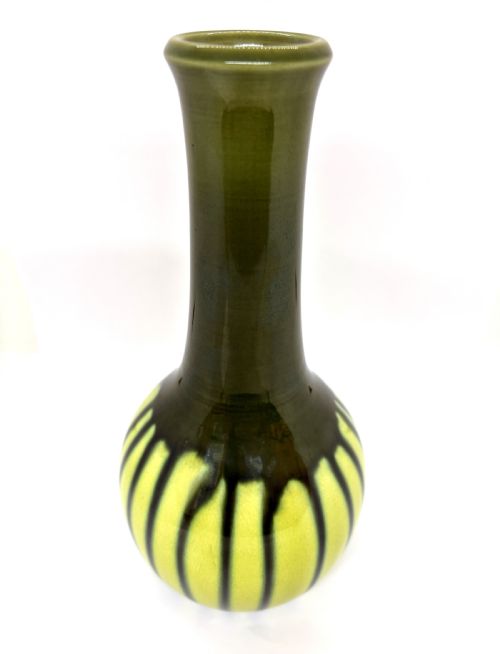
Green glazed vases encompass a diverse range of nineteenth-century and early twentieth-century vessels, including spill vases, ewers, and decorative shapes. These pieces frequently emerge from studio potteries and major factories operating during the Victorian, Edwardian, and Art Nouveau periods.
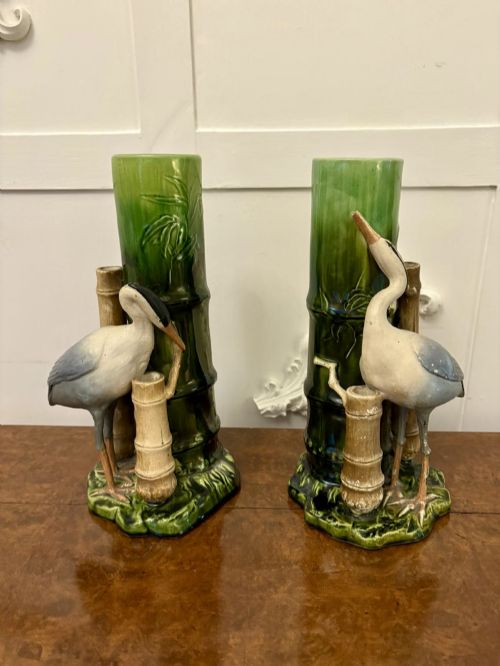
The selection on this page relies heavily on British studio pottery, alongside continental majolica and Japanese export wares. Pieces span simple earthenware vessels to elaborate stoneware baluster shapes.
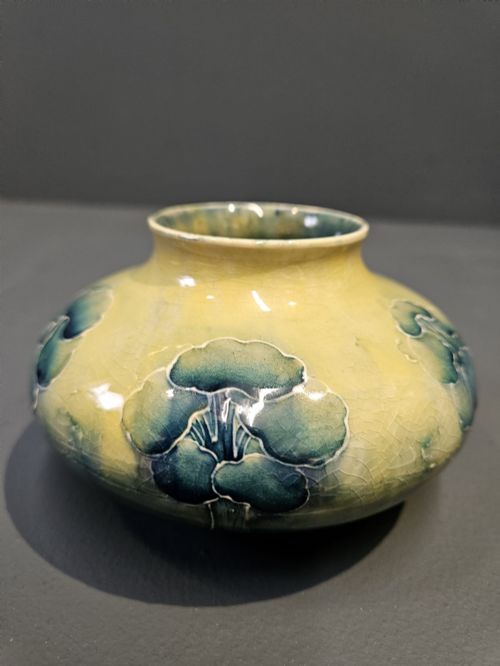
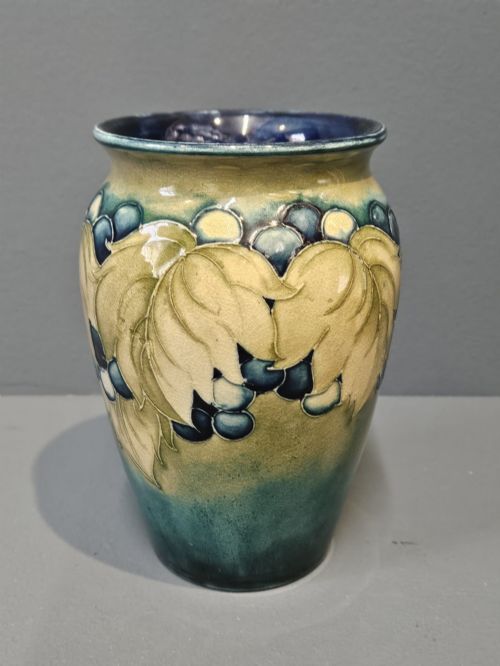
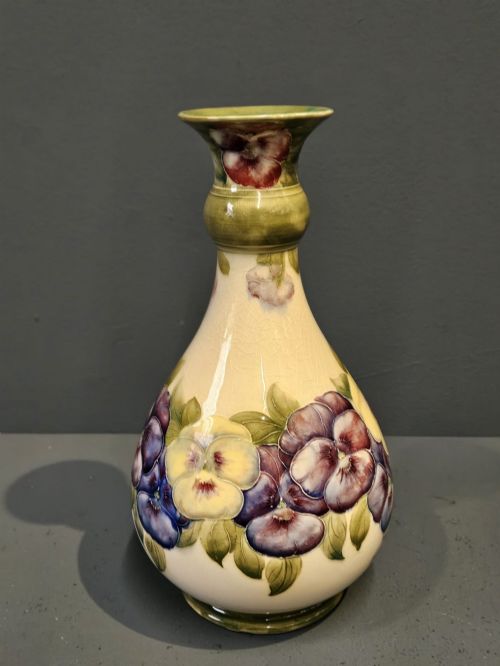
Buyers will encounter functional forms alongside purely decorative shapes, reflecting the varied output of potteries such as Moorcroft, Doulton Lambeth, and Burmantofts.
How They Were Made
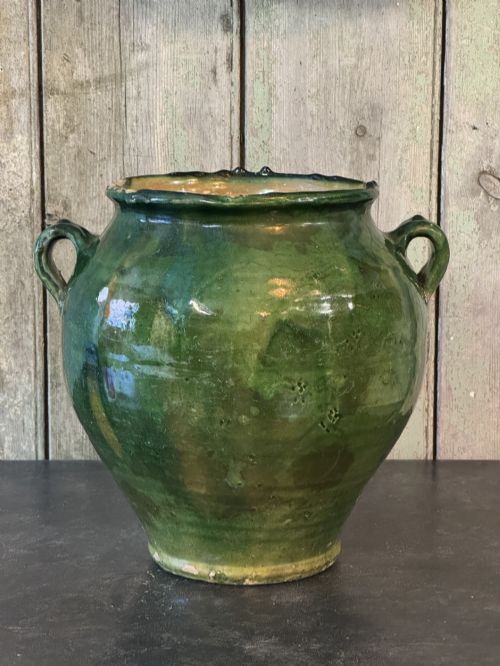
Potters utilised earthenware, stoneware, terracotta, and porcelain bodies, shaping them by hand or on the wheel before applying fluid surface treatments. Glazes range from mottled green coatings to celadon, tea dust, and glossy majolica finishes.
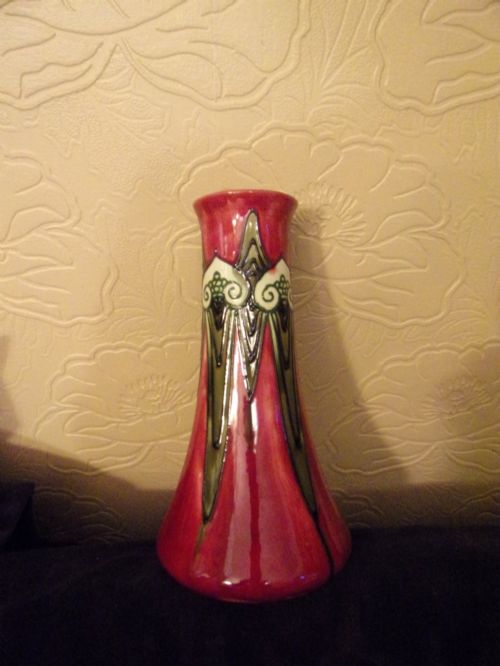
Techniques such as tube-lining, seen in Minton Secessionist and Moorcroft works, create raised outlines that hold pools of coloured glaze. Other pieces employ slip painting or sculptural additions to build texture beneath the green surface.
Green Glazed Vases Retail Price Guide 2026
Typical asking prices for green glazed vases among the pieces listed under this phrase on Sellingantiques today, from the lower quarter to the upper quarter. They describe what is for sale here now, not the wider market.
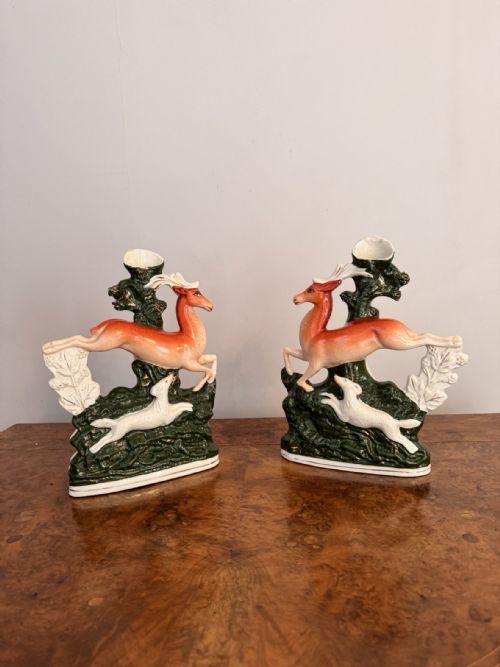
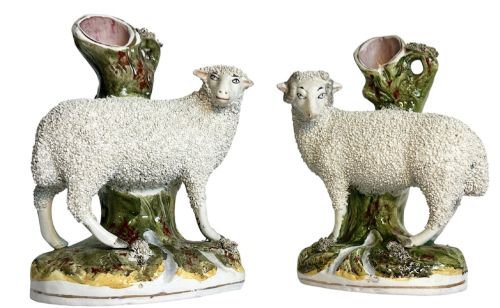
Staffordshire potters immortalised woolly sheep and wandering deer in green glazed spill vases, keeping rural wildlife permanently close to the nineteenth-century mantelpiece.
What Varies in Quality
The standard of a green glazed vase rests upon the depth and control of the glaze interaction with the clay body. Rich, even coverage that accentuates the form separates superior examples from flat or pooled finishes.
Execution of design elements, such as crisp tube-lining or detailed sculptural modelling, dictates the standing of individual studio and factory pieces. Artistry in the application of colour creates the variation between standard production and exceptional output.
Moorcroft·Burmantofts Pottery·Royal Doulton Lambeth·Sir Edmund Harry Elton·Ulisse Cantagalli
The Green Glazed Vases Glossary
- Earthenware
- Porous pottery fired at lower temperatures, typically requiring a glaze to hold water.
- Stoneware
- Dense, impermeable ceramic fired at high temperatures, common in Victorian utilitarian and art pottery.
- Tube-lining
- A ceramic decoration technique where a thin line of slip is piped onto the clay body to form compartments for glaze.
- Celadon
- A pale grey-green glaze originating in East Asia, valued for its jade-like appearance.
- Majolica
- Low-fired earthenware coated with an opaque tin-lead glaze, painted with metallic oxide colours.
Green Glazed Vases: Frequently Asked Questions
How do I clean a ceramic vase?
Wash ceramic vases gently using warm water and a soft cloth to protect the surface glaze.
Avoid abrasive sponges and harsh detergents that can dull historic finishes.
Can these vases hold water?
Many stoneware and fully glazed earthenware vases hold water safely for display use.
Porous bodies or pieces with hairline fissures require a glass insert to prevent moisture damage.
What defines Art Nouveau ceramics?
Art Nouveau ceramics feature flowing organic lines, natural motifs, and fluid glaze colours.
Designers in this movement drew inspiration from plant forms, insects, and Japanese aesthetics.
How do I identify a studio pottery mark?
Turn the piece over to inspect the base for incised initials, painted monograms, or factory stamps.
Reference marks against potter registers to confirm the maker and date of production.