



Green Glass Painting
Green glass painting brings together decorative objects and wall pieces where pigment and enamel meet coloured glass.
Green Glass Painting
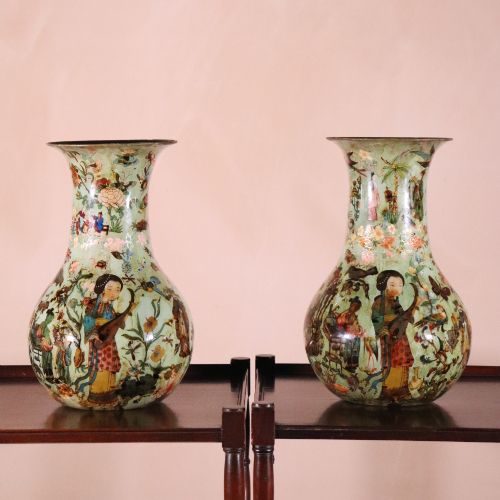
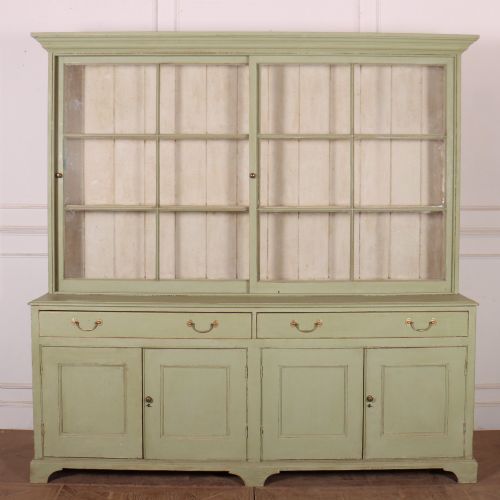
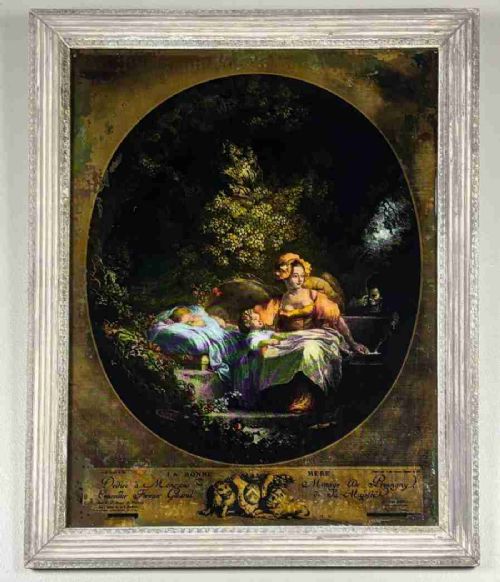
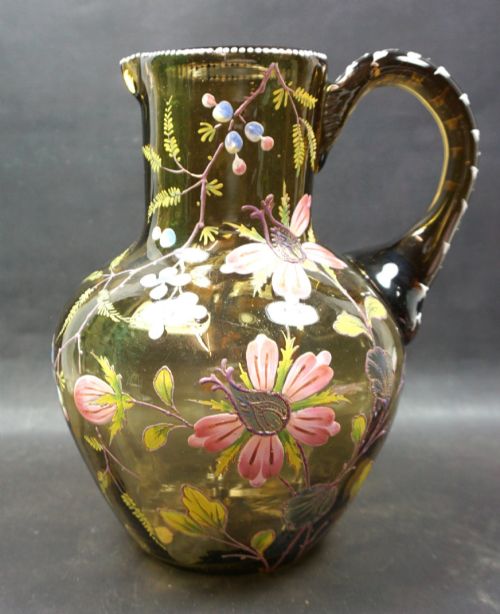
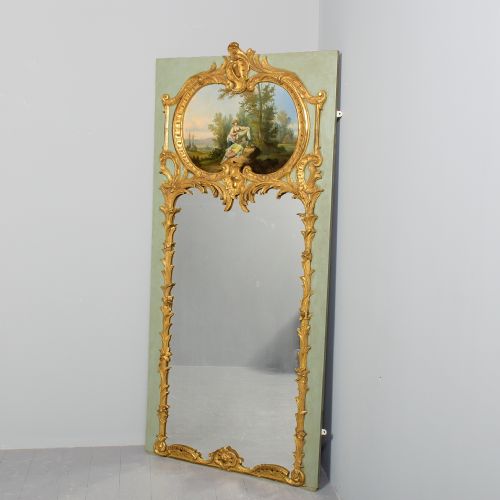
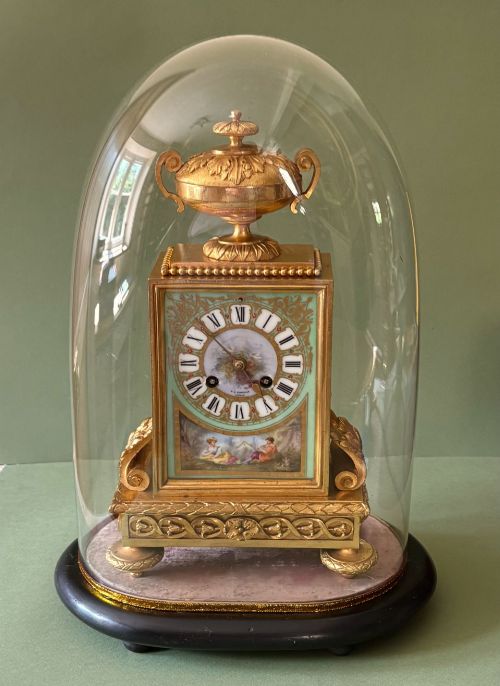
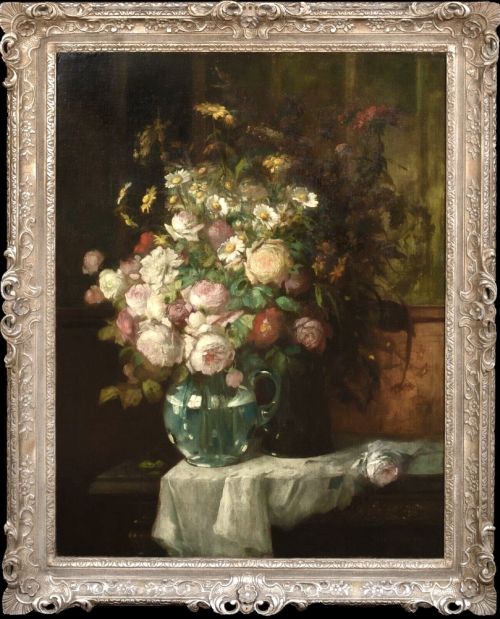
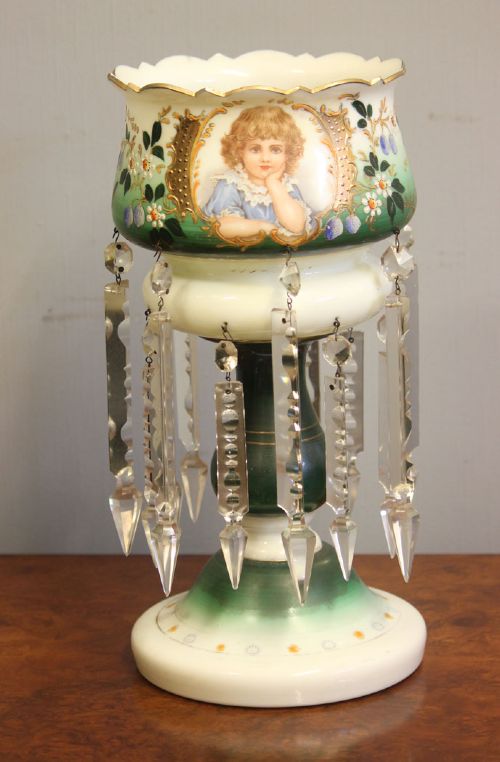
When buyers search for green glass painting, they find a selection that spans functional tableware, decorative vessels, and wall panels. The pieces on this page include Victorian table lustres, ewers, trinket boxes, and wine goblets alongside framed reverse glass prints.
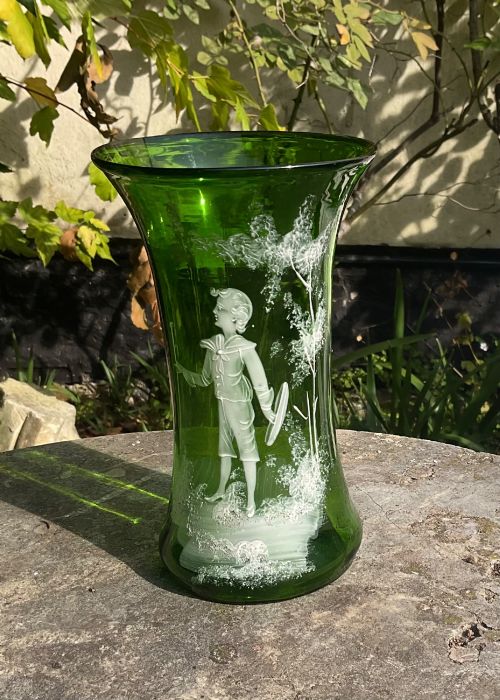
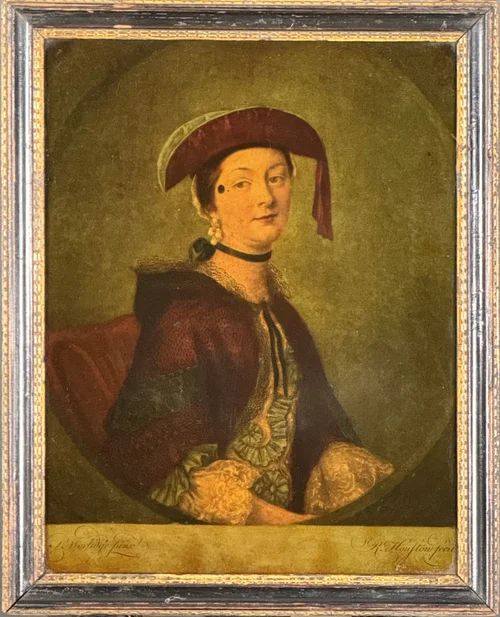
Victorian examples feature prominently, particularly items decorated with white enamel figures in the manner associated with Mary Gregory, alongside Bohemian glass trios and wine jugs. Georgian and nineteenth-century reverse glass prints also appear frequently within this category.
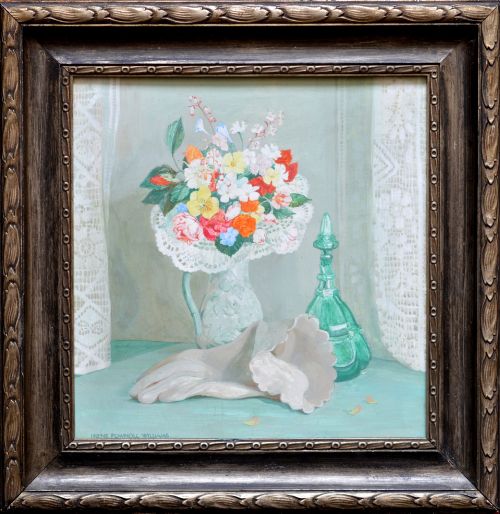
Makers and manufacturers represented include Lobmeyer and Theresienthal, alongside individual artists working in reverse glass printing and oil or tempera panels. Forms range from small cordial glasses to large Chinese reverse paintings on glass.
Materials and methods
Makers utilised mouth-blown and moulded glass combined with hand-applied enamel paints, oil pigments, and metallic gilding. Glass vessels often received opaque or translucent green colouration during manufacture before undergoing detailed surface painting.
Reverse glass painting required artists to apply details, outlines, and shading directly onto the back of the glass pane in reverse sequence, so the finished composition displayed correctly when viewed from the front. Enamelled vessels were fired in kilns to fuse the coloured glass paints permanently to the surface.
Green Glass Painting Retail Price Guide 2026
Typical asking prices for green glass painting among the pieces listed under this phrase on Sellingantiques today, from the lower quarter to the upper quarter. They describe what is for sale here now, not the wider market.
Listings feature eighteenth-century pieces up to mid-twentieth-century works, spanning Victorian, Georgian, and Art Nouveau styles.
Assessing quality
The depth of the green glass itself, the complexity of the enamelled floral or figural motifs, and the overall crispness of reverse painting separate standard production items from masterworks.
Lobmeyer·Theresienthal·Konstantin Stoitzner·Irene Christobelle Pownoll Williams·Charles Spooner·W. Bishop·Gaspar Peeter Verbruggen·Gillows Of Lancaster
The Green Glass Painting Glossary
- Reverse glass painting
- An artistic technique where the image is painted on the back of a glass sheet and viewed from the front. This method protects the pigment from dust and atmospheric wear.
- Table lustre
- A decorative glass or porcelain mantel ornament hung with cut glass prisms. They were popular in the nineteenth century for reflecting candlelight.
- Enamel
- A decorative vitreous composition fused to glass or metal surfaces through kiln firing. It provides durable, raised coloured details.
- Mary Gregory
- A term commonly applied to nineteenth-century glassware decorated with white enamel silhouettes of children. The style originated in Bohemian and American glasshouses.
- Trriple or trio
- A matched set comprising a teacup, saucer, and side plate, or in glass, a matching group of three vessels.
Green Glass Painting: Frequently Asked Questions
What is reverse glass painting?
Reverse glass painting involves applying pigment directly to the rear surface of a glass panel. The artist paints foreground details first, followed by background layers.
When viewed through the front of the glass, the composition appears with a glossy finish and protected colours.
How do I clean antique green glass?
Antique glass with painted or enamelled surfaces requires gentle maintenance using a soft, dry cloth. Moisture can lift old paint or damage delicate gilding.
Avoid soaking painted glass vessels or using chemical cleaning agents on decorated areas.
What is a glass table lustre?
Table lustres are decorative ornamental pieces placed on mantelpieces or tables during the Victorian period. They feature hanging crystal prisms designed to catch and reflect light.
Many examples incorporate hand-painted enamel decoration over coloured glass bodies.
How can I date my glass piece?
Dating relies on examining manufacturing techniques, pontil marks on the base, and stylistic motifs. Victorian and Georgian items often show distinct handling and enamelling characteristics.
Comparing pieces with known maker output helps narrow down the production era.