



Traditional Chinese Wall Panels
Traditional Chinese wall panels bring carved wood, lacquer, silk and painted detail into a room.
Traditional Chinese Wall Panels
Traditional chinese wall panels encompass carved wooden plaques, framed silk paintings, lacquer work and reverse glass art intended for interior display.
Buyers encountering this group most frequently meet carved wooden panels, silk paintings, and framed mirrors dating from the nineteenth century.
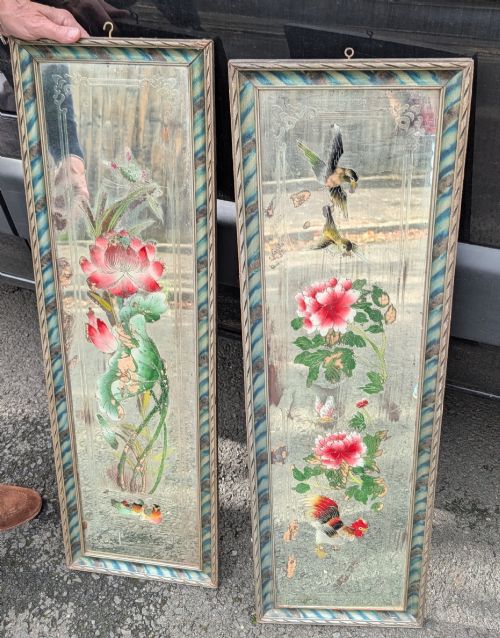
Forms span individual wall plaques, pairs of hanging mirrors, multi-panel wood carvings, and reverse glass paintings reflecting traditional Chinese and Qing Dynasty styles.
How they were made
Wood panels rely on detailed carving techniques applied to timber substrates, sometimes incorporating lacquer, gold leaf or paint finishes.
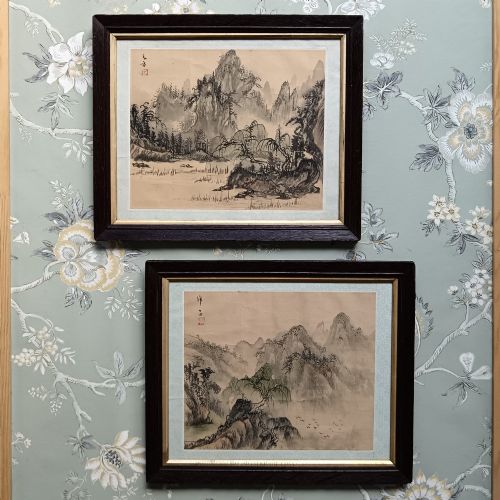
Painted works utilise ink and colour on silk grounds, while glass pieces employ reverse painting methods to capture fine pictorial detail.
Framed presentation utilises original surrounds and wooden structures designed to support hanging or wall mounting.
Traditional Chinese Wall Panels Retail Price Guide 2026
Typical asking prices for traditional chinese wall panels among the pieces listed under this phrase on Sellingantiques today, from the lower quarter to the upper quarter. They describe what is for sale here now, not the wider market.
One dragon screen hides intricate wooden scales that collectors love to trace with a fingertip.
What varies in quality
Depth and crispness of wood carving separate standard decorative items from finer Qing Dynasty and mid-eighteenth-century examples.
The precision of brushwork on silk paintings and the clarity of reverse glass execution define the artistic merit of individual panels.
The Traditional Chinese Wall Panels Glossary
- Qing Dynasty
- The final imperial dynasty of China, spanning the seventeenth to early twentieth centuries. Pieces from this era often display traditional carving and lacquer techniques.
- Shan Shui
- Traditional Chinese landscape painting style depicting scenery such as mountains, rivers and waterfalls. These works commonly appear on silk grounds.
- Reverse Glass Painting
- An artistic technique where the image is painted directly onto the back of a glass pane to be viewed from the front. This method creates a distinct glossy finish.
- Lacquer
- A durable protective and decorative finish applied to wooden objects using natural resin. It provides a smooth, glossy surface often associated with Oriental panels.
- Gold Leaf
- Thin sheets of beaten gold applied to wooden carvings and decorative surfaces. It highlights intricate details and adds tonal contrast.
Traditional Chinese Wall Panels: Frequently Asked Questions
How do I hang heavy wood panels?
Wall mounting requires secure fixings anchored into solid wall studs or masonry to support the substantial weight of carved timber items safely.
Professional picture hangers or flush mounting brackets ensure the panel sits flat against the wall without straining the frame.
Where should I place silk paintings?
Silk paintings and panels need positioning away from direct sunlight to prevent fading of the delicate ink and colour pigments.
Stable indoor humidity levels also protect the silk fabric from becoming brittle or warping over time.
How do I clean carved wood panels?
Dust accumulation in deep wood carvings is best managed using a soft-bristled brush or dry microfiber cloth.
Liquid cleaners and polishes should be avoided as they can damage antique lacquer and untreated timber surfaces.