





Black Framed Reverse Painting
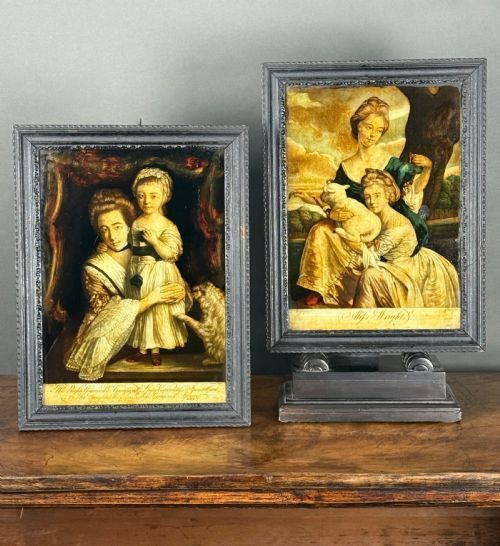
These black framed reverse painting pieces bring together delicate glass work and dark surrounds, offering a direct window into Georgian, Regency, and later visual culture.
Black Framed Reverse Painting
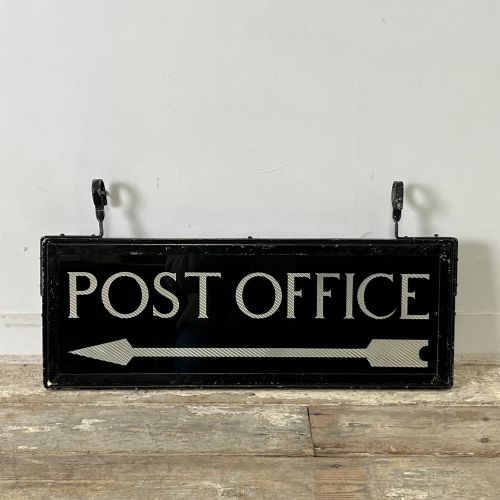
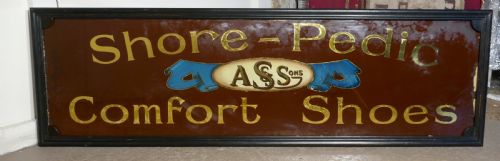
A black framed reverse painting presents imagery applied directly to the rear of a glass plate so that the composition is viewed correctly from the front. When searching for black framed reverse painting, a buyer encounters a diverse mix of forms spanning silhouette miniatures, classical prints, Chinese export works, and directional signage.
The objects on this page range from eighteenth-century mezzotints and Georgian portraits to nineteenth-century equestrian scenes and twentieth-century advertising mirrors. These pieces cross various styles including Chinoiserie, Baroque, and Art Deco, unified primarily by the reverse-application technique and the dark surrounding moulding.
Materials and construction
Makers utilised clear glass as the primary support, applying oil paint, pigment, and gold leaf directly to the reverse side. This technique required artists to paint fine details and background layers first, working in reverse order compared to traditional canvas painting.
The completed glass panels are secured within wooden frames finished in black, sometimes incorporating brass fittings or paper backing. This dark border frames the fragile glazed surface while providing structural support for wall hanging.
Black Framed Reverse Painting Retail Price Guide 2026
Typical asking prices for black framed reverse painting among the pieces listed under this phrase on Sellingantiques today, from the lower quarter to the upper quarter. They describe what is for sale here now, not the wider market.
Listings span the seventeenth, eighteenth, nineteenth, and twentieth centuries, using glass, wood, paint, paper, brass, and gold leaf.
Assessing quality and execution
Quality rests upon the precision of the brushwork and the complexity of the pigment layering visible through the glass. Finer examples display meticulous detail in portrait miniatures or mezzotints, whereas simpler pieces rely on bolder, more direct application.
The integrity of the glass and the preservation of the underlying paint layers dictate the overall standard. Superior specimens maintain their original gold leaf accents and pigment saturation without extensive flaking behind the plate.
Sebastiaan Vrancx·Richard Phillips·Abraham Cooper
The Black Framed Reverse Painting Glossary
- Reverse glass painting
- A technique where the artist paints directly onto the back of a glass sheet so the final image is viewed through the front. This method protects the pigment from surface dust and atmospheric wear.
- Eglomise
- A process involving the cold decoration of glass using a design hammered and engraved on gold or silver leaf applied to the back. It creates a reflective, metallic background for portraits and prints.
- Mezzotint
- A printmaking process of the print genre where the image is worked from dark to light by scraping and burnishing the copper plate. These prints were often transferred to glass and hand-coloured.
- Silhouette
- A solid shape of a person, object, or scene consisting of a dark outline and a featureless interior. In these works, they appear painted on glass alongside traditional portraits.
Black Framed Reverse Painting: Frequently Asked Questions
Can these paintings be hung in direct sunlight?
Hang these pieces away from direct sunlight and harsh spotlights to prevent the pigments and gold leaf from fading behind the glass.
Ultraviolet rays can destabilise historical oil paints and alter the appearance of delicate silhouette work over time.
How do I identify the period of a piece?
Look closely at the framing materials, backing boards, and the subject matter depicted within the glass composition.
Georgian and Regency examples often feature distinct portrait styles and hand-lettered titles that match the costume and hair of the era.
Why is the paint applied to the back?
Painting on the reverse protects the delicate pigments from dust, handling, and environmental degradation while creating a glossy surface finish.
This technique produces a distinct depth and luminosity that standard canvas or paper paintings cannot replicate.