





Green Glass Bowl
When you search for a green glass bowl, you enter a vibrant world of pressed, blown, and layered vessels spanning centuries of domestic and artistic design.
Green Glass Bowl
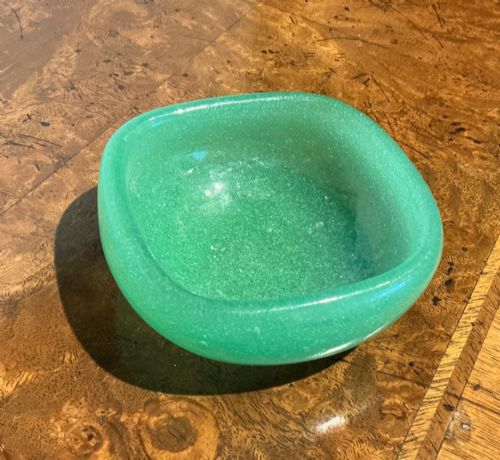
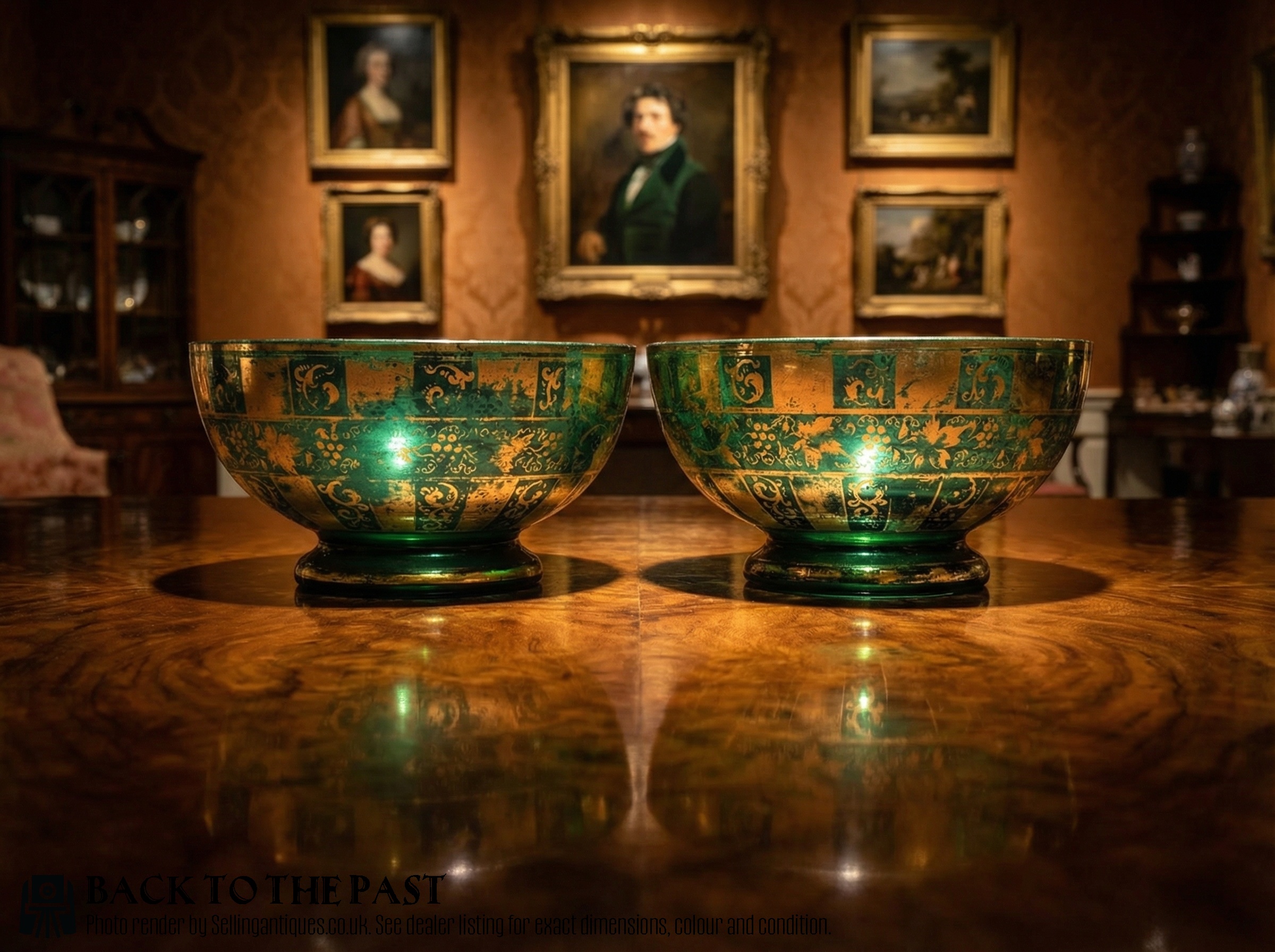
A green glass bowl encompasses a remarkably diverse range of domestic vessels, from simple Georgian finger bowls to elaborate Art Nouveau centrepieces and modernist 1930s works. You will frequently encounter Victorian Bristol green tablewares alongside early twentieth-century art glass productions.
The forms extend far beyond standard kitchenware into decorative dishes, pedestal bowls, sugar baskets, and matched wine glass sets. Many of the most striking examples integrate metal mounts, such as silver-plated frames or sterling silver swing handles, designed to hold the glass securely on the dining table.
Origins vary widely across British, Bohemian, French, and Italian workshops, reflecting regional preferences for colour depth and optical effects. Whether you seek a utilitarian finger bowl or a showpiece centrepiece, the selection balances everyday utility with striking decorative presence.
How they were made
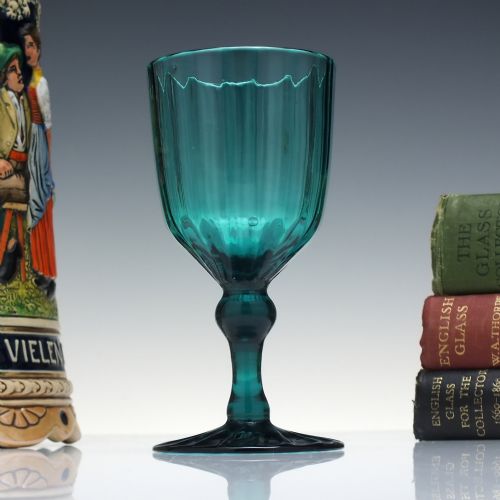
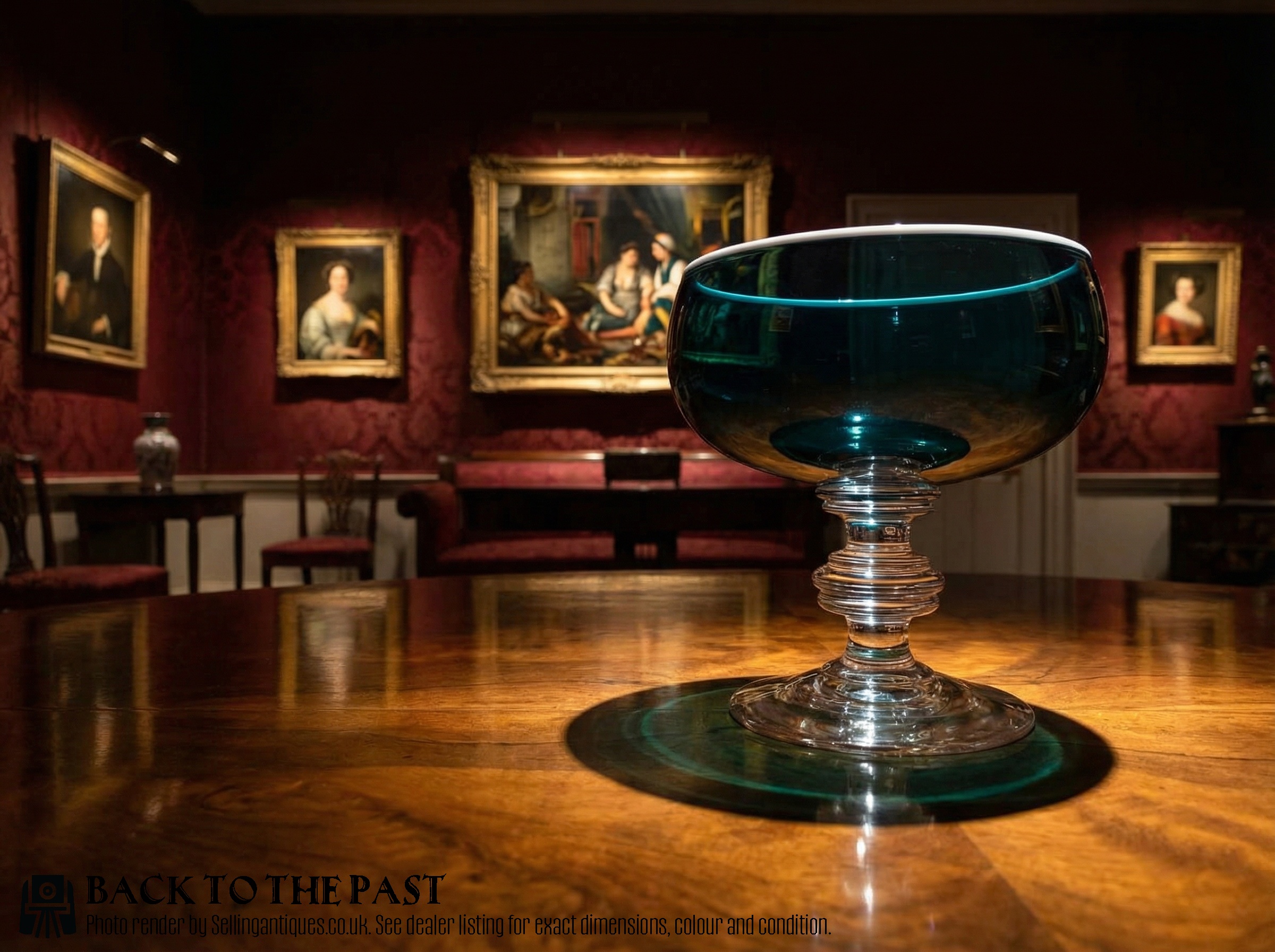
Makers achieved distinctive green hues through varied chemical additions to the molten batch, producing everything from pale uranium and vaseline tones to deep emerald and turquoise shades. Techniques such as rib moulding, wrythen twisting, and ribbing added tactile dimension to the fluid material.
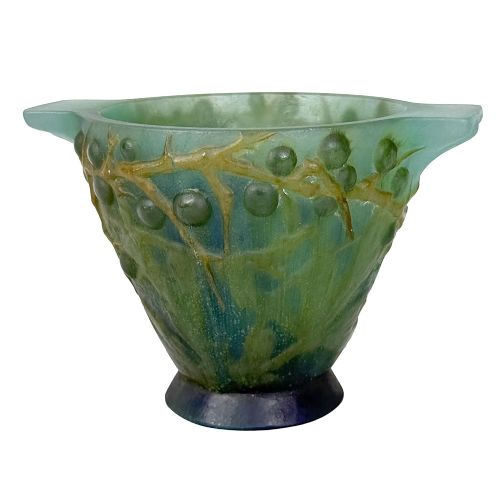
Advanced decorative methods included pate de verre, gold leaf inclusions, and layered crystal overlays that were subsequently cut or etched to reveal contrasting colours beneath. Workshops like Loetz and Monart utilised complex internal heat-reactive chemistry to create shimmering iridescent or mottled visual depths.
Many items combined hot-glass forming with cold-working steps, such as hand-polished pontil marks, gilt edging, and applied enamel details. Silver-plated or sterling silver mounts were often custom-manufactured to cradle specific blown or pressed glass inserts.
Green Glass Bowl Retail Price Guide 2026
Typical asking prices for green glass bowl among the pieces listed under this phrase on Sellingantiques today, from the lower quarter to the upper quarter. They describe what is for sale here now, not the wider market.
Listings feature green glass items spanning the Georgian, Victorian, Art Nouveau, Art Deco, and Mid-Century Modern periods.
What varies in quality
Quality rests principally on the ambition of the design and the purity of the optical effects achieved within the glass matrix. Superior pieces display harmonious proportions, crisp moulding lines, and intentional colour saturation rather than muddy or accidental tones.
The execution of secondary materials plays a major role in overall merit, particularly where silver-plated or sterling silver frames accompany the glass. Master glasshouses and renowned designers elevate standard vessels through innovative optical treatments and flawless finishing.
Venini·Amalric Walter·Daum France·WMF·Monart·Val St. Lambert·Stuart·René Lalique·Loetz·Walther and Sohne
The Green Glass Bowl Glossary
- Vaseline glass
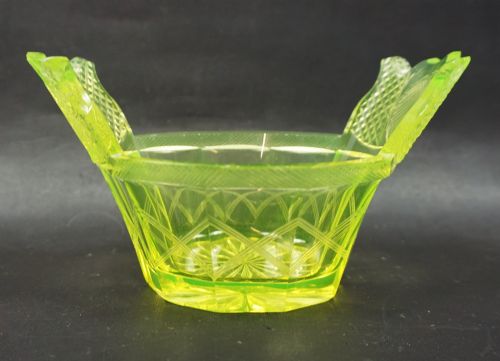
- A transparent or translucent yellowish-green glass containing uranium dioxide that glows brightly under ultraviolet light. It was widely produced during the nineteenth and early twentieth centuries for decorative tablewares.
- Pate de verre
- A glass-casting method where finely crushed glass is mixed with a binder, packed into a mould, and fused in a kiln. This technique yields dense, finely textured vessels with subtle colour gradations.
- Finger bowl
- A small, round bowl filled with water used during formal dining for rinsing the fingertips between courses. Victorian examples often featured deep Bristol green or cobalt coloration.
- Rib moulded
- A glass vessel formed by blowing molten metal into a ribbed or fluted dip mould before expanding and shaping it by hand. This created raised exterior patterns that caught the light.
- Overlay glass
- A layered technique where a core of clear or coloured glass is encased in one or more contrasting exterior layers. Artisans then cut through the outer layer to expose the base colour beneath.
Green Glass Bowl: Frequently Asked Questions
How can I identify uranium glass?
Uranium glass typically exhibits a distinctive yellowish-green hue under natural light and emits a bright green fluorescence when exposed to ultraviolet illumination.
This glow results from the historic practice of adding small amounts of uranium compounds to the molten batch for colouration.
What is Bristol green glass?
Bristol green refers to a deep, saturated green tone traditionally associated with glasshouses operating in the English port city during the eighteenth and nineteenth centuries.
It was frequently utilised for finger bowls, rinser sets, and wine glasses designed for formal dining tables.
How were silver-plated mounts attached?
Metal mounts and swing handles were custom-formed to fit the exact contours of blown or moulded glass inserts, often utilising secure clips or rims.
Maker marks stamped onto the metalwork can help date the assembly and identify the manufacturing firm.
What defines Monart glass?
Monart glass is a distinctive style of art glass developed in Scotland, known for its opaque and mottled colour fields suspended within clear glass layers.
Pieces range from spherical bowls to slender vases, prized for their smooth, polished surfaces and organic forms.