



Green Enamel Vase
A green enamel vase brings vibrant colour and layered craftsmanship into a room, offering a striking focal point for any mantel or side table.

Green Enamel Vase
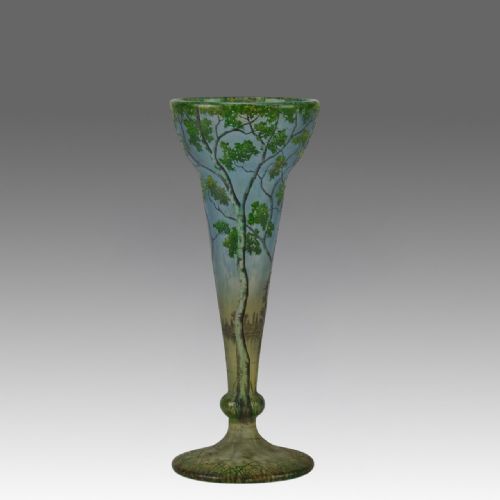
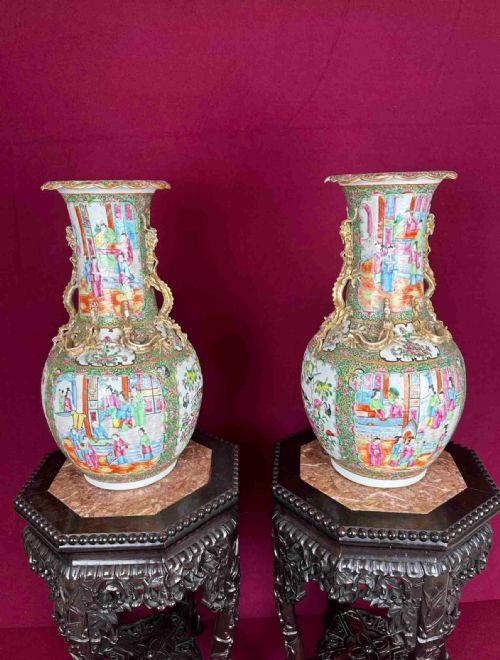
A green enamel vase encompasses a diverse selection of decorative vessels spanning several centuries and global traditions, uniting varied manufacturing techniques under a shared palette. Buyers searching for a green enamel vase will encounter everything from Chinese porcelain jars bearing intricate polychrome scenes to European glass vessels enhanced by detailed hand painting.
The objects appearing in this category range from tall palace vessels and ginger jars to table lamps and garniture sets. Pieces originating from Qing Dynasty China and Meiji Period Japan sit alongside Victorian glass and Art Deco creations.
Domestic European examples frequently feature Bohemian glass or English porcelain, while Asian works showcase cloisonne, canton, and famille verte traditions. Selecting the right piece involves appreciating how different cultures applied enamel and pigment to porcelain, glass, earthenware, and copper.
Materials and construction methods
Makers constructed these vessels using a foundation of blown glass, fired porcelain, earthenware, or beaten copper, often building up the surface with layered glazes and opaque enamel paints. Artisans applied powdered glass fluxes and metallic oxides to achieve rich green hues before firing the pieces in kilns to fuse the decoration permanently.
Many Asian works utilise cloisonne techniques, where fine metal wires soldered to a copper body create partitioned cells that receive coloured enamel pastes. Other items incorporate gold leaf highlights, cameo glass carving, or hand painted overglaze enamels applied directly to a fired ceramic body.
Distinguishing quality and craftsmanship
Quality rests upon the precision of the brushwork, the depth and clarity of the enamel colours, and the structural integrity of the underlying material. Superior examples display crisp definition in painted motifs, whether depicting foliage, figures, or abstract patterns, without blurring or pooling in the pigment.
The finesse of the finishing work distinguishes finer items, such as evenly applied gold leaf detailing, meticulously formed cloisonne wirework, or well-balanced proportions in matched pairs. Pieces bearing clear maker signatures or attribution to established European glasshouses and oriental workshops command greater recognition among collectors.
Daum Frères·Flight, Barr & Barr·Karl Palda·Ando
The Green Enamel Vase Glossary
- Cloisonne
- A decorative metalwork technique where flat wires form compartments on a vessel body to hold enamel paste. These cells are fired and polished to create a smooth, colourful surface.
- Famille Verte
- A Chinese porcelain palette dominated by green enamel overglaze colours, developed during the Qing Dynasty. Artisans combined this dominant green with iron red, yellow, and blue to render detailed pictorial scenes.
- Cameo Glass
- A glass vessel created by fusing layers of different colours and carving away the exterior layer to reveal a contrasting design. This method produces high relief imagery.
- Garniture Set
- A matched grouping of three or more vases and jars designed to be displayed together on a mantelpiece or sideboard. These sets frequently share identical decorative schemes and manufacturing periods.
- Mantle Lustre
- A decorative Victorian glass vase fitted with hanging crystal prisms around the rim. These pieces were traditionally placed on mantelpieces to reflect candlelight.
Green Enamel Vase: Frequently Asked Questions
How do I display a green enamel vase?
Position these vessels where natural light can illuminate the translucent qualities of the glass or the rich pigments of the enamel. Placing a pair on a sideboard or mantelpiece creates a balanced visual anchor within a room.
Avoid positioning delicate antique pieces in direct, harsh sunlight to protect painted surfaces from fading over extended periods.
Can I use these vases for fresh flowers?
Many historical vessels, particularly antique porcelain jars and metal cloisonne pieces, function best as dry decorative objects rather than water-holding vases. Porous interiors or older repairs can suffer from sustained moisture exposure.
Utilising a small glass insert inside the vessel allows safe display of fresh stems without risking the historical body of the piece.
How do I clean an antique enamel vase?
Dust the surface regularly with a soft, dry cloth to prevent particulate accumulation on delicate painted or wired areas. Avoid chemical cleaning agents and abrasive cloths, which can strip fragile overglaze enamels or gold leaf.
Consult a professional restorer if the piece requires deeper cleaning due to accumulated grime or historical residue.
How can I tell the period of a vase?
Examine the base, weight, and manufacturing characteristics to determine the likely era of production. Marks, signatures, and the specific composition of the glass or porcelain body offer key clues to dating.
Stylistic motifs, such as the characteristic flora of Art Nouveau or the vibrant palette of the Qing Dynasty, help narrow the time of origin.