



Green Dress Oil Portrait
These green dress oil portrait pieces capture centuries of character in rich pigment, offering collectors a striking focal point for any room.
Green Dress Oil Portrait
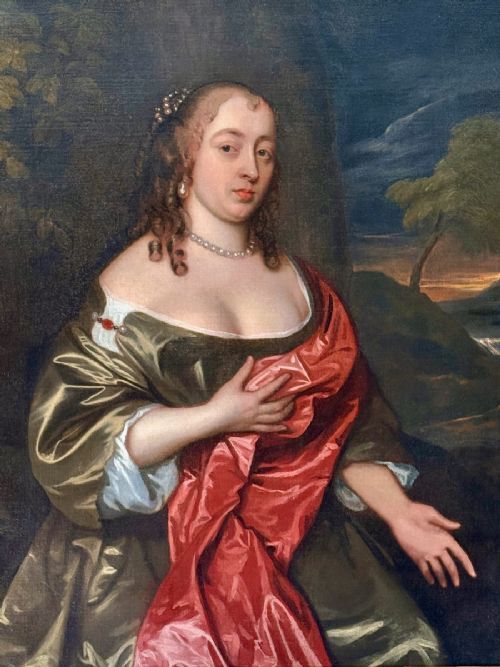
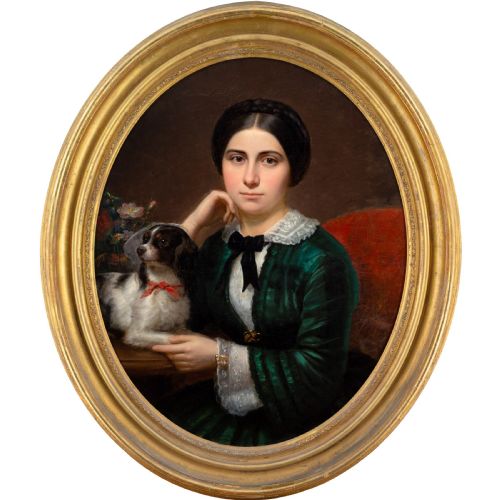
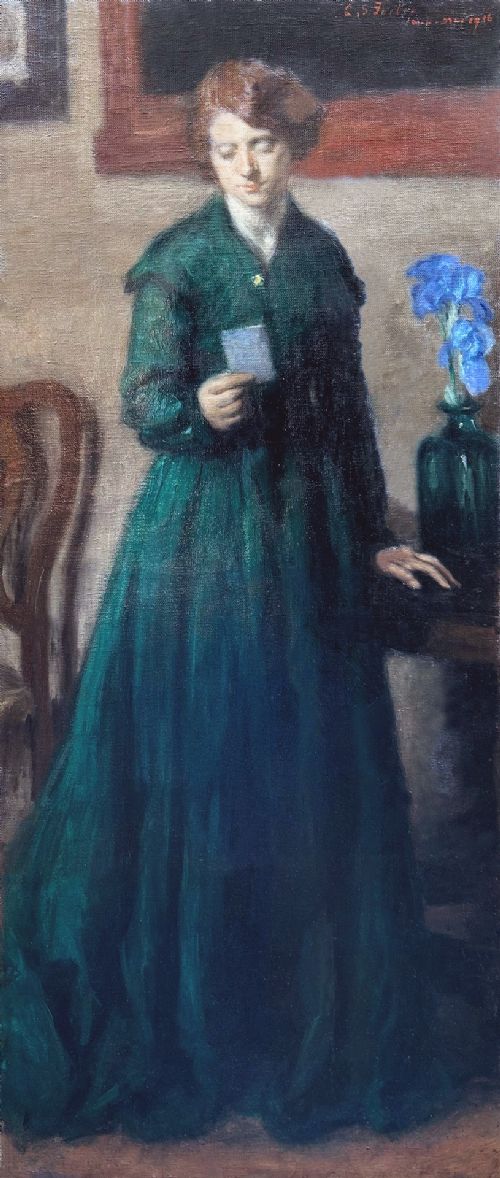
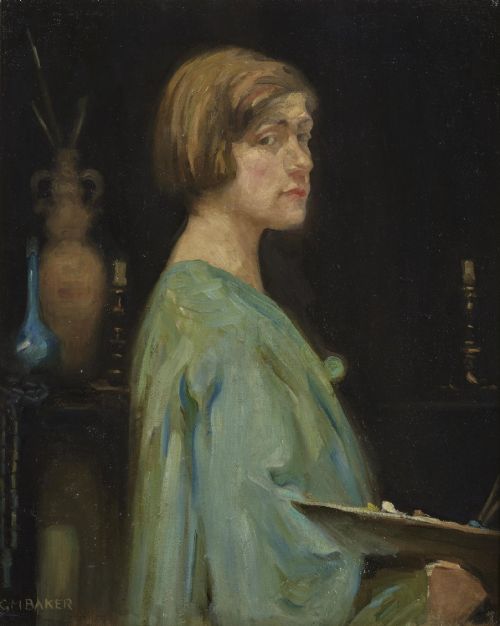
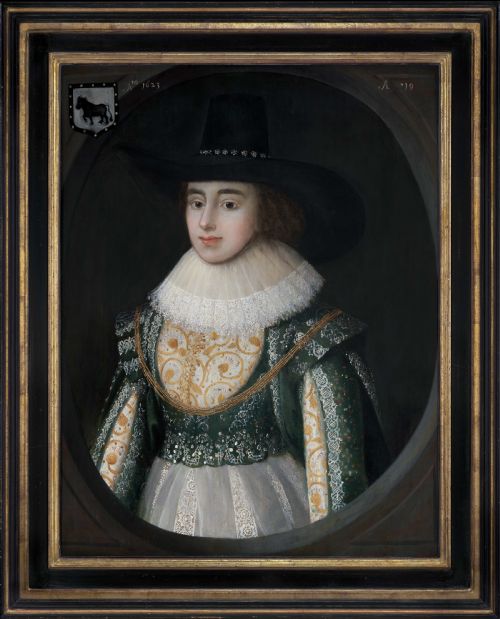
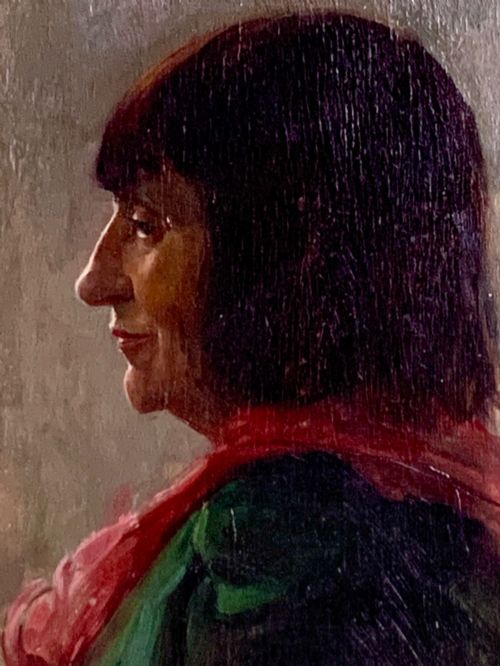
A green dress oil portrait brings together historic portraiture and the specific appeal of emerald and olive textiles rendered on canvas or panel. When you search for this phrase, you encounter works ranging from seventeenth-century court commissions to early twentieth-century character studies.
The nineteenth-century examples often present domestic scenes or elegant sitters by European and French schools, while earlier centuries lean towards formal aristocracy and dramatic drapery. These paintings vary from modest depictions of children to large-scale representations of ladies in extensive landscapes.
How They Were Made
Artists built these images primarily using oil paint applied to stretched canvas, wooden panels or occasionally board. The technique relies on layering pigment and binding oil to achieve depth in fabric folds, skin tones and backgrounds.
Makers frequently integrated gold leaf or giltwood frames to complement the canvas, while the underlying support structure determined the longevity and surface texture of the finished artwork.
Green Dress Oil Portrait Retail Price Guide 2026
Typical asking prices for green dress oil portrait among the pieces listed under this phrase on Sellingantiques today, from the lower quarter to the upper quarter. They describe what is for sale here now, not the wider market.
Children goofing around in fancy dress appear alongside stern aristocracy, proving that playing dress-up transcends centuries.
What Varies in Quality
The standard of a portrait rests heavily on the confidence of the brushwork and the anatomical accuracy of the sitter. Superior hands capture the delicate sheen of silk and velvet with subtle gradations of colour, whereas lesser works appear flat and stiff.
Provenance and attribution also divide the output, with works linked to known historical hands commanding greater recognition than anonymous regional school pieces. The integrity of the original paint surface and the historical suitability of the frame further separate the exceptional from the ordinary.
John Hayls·Cornelius Johnson·Nicolaes Maes·Thomas Gainsborough·Sir Peter Lely·James Bertrand·John Osborn·Enoch Seeman·Francis Alleyne·Pierre-Louis Bouchard·Cowan Dobson·John Michael Wright·Michael Dahl
The Green Dress Oil Portrait Glossary
- Oil on canvas
- Pigment ground in drying oil and applied to a woven fabric support. This combination allowed artists to create rich textures and subtle light effects across centuries of portraiture.
- Giltwood
- Wood carved and coated with gold leaf or gold paint. Frames of this material are frequently paired with formal historic canvases.
- Jacobean
- The period of English art and architecture spanning the reign of James I. Portraits from this era display rigid formality and meticulous costume detail.
- Baroque
- The artistic style dominant in the seventeenth and early eighteenth centuries. It is characterised by dramatic movement, deep shadow and rich, heavy drapery.
- Impressionist
- A late nineteenth-century painting style focusing on light and loose brushstrokes rather than rigid academic finish.
Green Dress Oil Portrait: Frequently Asked Questions
How do I date an old portrait?
Dating relies on the sitter's costume, hairstyle and the technical properties of the canvas or panel. Examining the frame and any signatures or inscriptions on the reverse provides further chronological clues.
Comparison with documented works from the same century helps narrow the decade in which the artist worked.
Where should I hang an oil portrait?
These works suit traditional living spaces, libraries or hallways where they act as a strong focal point. Avoid placing them in direct sunlight or damp environments to protect the oil paint and canvas.
Pairing a historic painting with simple wall colours lets the richness of the garment stand out.
What is the difference between school and studio works?
A studio work is produced by assistants under the direct supervision or within the workshop of a named master. School works denote anonymous artists working in the general style of a region or period.
Both categories offer historic charm without the direct attribution to a singular master hand.