



Green Decorative Wall Plate
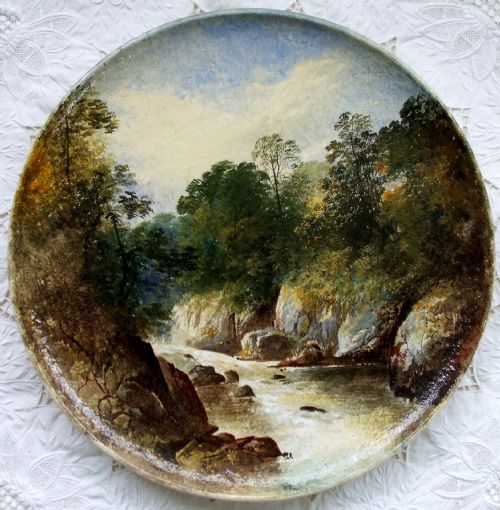
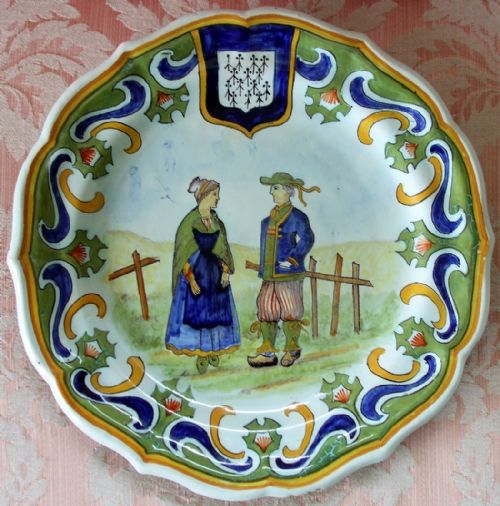
Green decorative wall plate examples bring colour and character to an interior, spanning Japanese porcelain, English earthenware, and French faience.
Green Decorative Wall Plate
A green decorative wall plate satisfies the search for striking ceramics and metalwork intended for display. These pieces range from large Japanese chargers to English Victorian pottery plaques.
The selections on this page draw heavily from nineteenth-century Japanese cloisonne enamel, Meiji period porcelain, and European earthenware. Copeland pottery plaques and French faience dishes also appear frequently among the listings.
Buyers encounter substantial chargers alongside smaller dessert plates and hand-painted wall dishes. Origins stretch from English factories to Japanese workshops and continental European kilns.
How They Were Made
Makers utilised copper bases for cloisonne enamel work, applying delicate wire cells to hold coloured enamel pastes before firing. Porcelain and earthenware pieces received hand-painted pigments beneath transparent glazes.
Japanese pieces often combined intricate surface details with high-fired ceramic bodies or metal cores. European potteries relied on traditional throwing and moulding techniques followed by detailed pictorial painting.
Periods represented span from the late seventeenth century through the Victorian era and into the 1930s.
What Varies in Quality
The standard of execution separates modest production pieces from masterworks. Crisp detail in hand-painted motifs and precise wirework in enamel define the upper tiers.
Depth of colour and clarity in the glaze reveal the maker's skill. Pieces bearing artist signatures or factory marks generally represent more careful studio production.
William Yale·Veuve Perrin·Richard Budd·Salviati Venice
The Green Decorative Wall Plate Glossary
- Cloisonne
- A technique where metal wires form raised cells on a metal base to hold coloured enamel pastes. Artisans fire the piece multiple times to fuse the glass surfaces.
- Charger
- A large ornamental plate intended for display rather than table service. These substantial vessels often feature complex pictorial scenes.
- Faience
- Tin-glazed earthenware produced in France and other European regions. The opaque white or coloured glaze provides a smooth ground for painted decoration.
- Meiji Period
- The era of Japanese history spanning from 1868 to 1912. Production during this time combined traditional craftsmanship with new artistic markets for export.
- Imari
- A style of Japanese porcelain featuring blue, iron red, and gilt decoration. These pieces were widely exported to Europe from the seventeenth century onward.
Green Decorative Wall Plate: Frequently Asked Questions
How do I hang a heavy charger?
Heavy chargers and large plates require coated wire spring hangers that distribute weight evenly across the rim. Ensure the wall fixing secures firmly into masonry or timber studs.
Avoid using adhesive disc hangers on substantial ceramic or metal pieces. Inspect the wire periodically to maintain secure wall placement.
Are these plates meant for food?
Most pieces listed under this search serve as decorative wall art rather than tableware. Older glazes and metal compositions are not suited for modern culinary use.
Displaying them on walls or shelves protects the fragile hand-painted surfaces and delicate enamel work from daily wear.
How do I clean antique enamel and porcelain?
Dust surfaces gently with a dry, soft brush to remove accumulated particles. Avoid immersing metal-backed cloisonne or antique earthenware in water.
Harsh chemical cleaners will damage fragile enamel and nineteenth-century overglaze paint. Professional conservation advice is best for stubborn residue.