




Green Botanical Prints
Green botanical prints bring crisp, natural colour indoors through centuries of detailed illustration and study.
Green Botanical Prints
Green botanical prints encompass framed engravings, watercolours, and studies celebrating flora and natural history. These works span periods from the eighteenth century through the mid twentieth century, capturing plant forms and foliage with scientific precision.
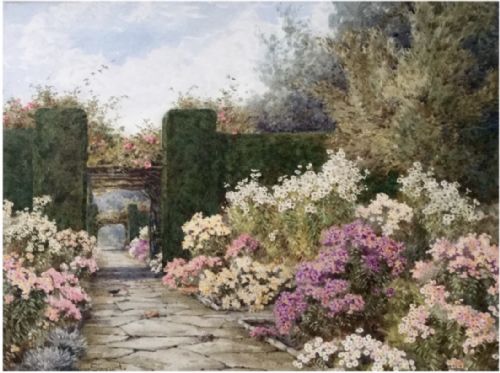
Buyers seeking green botanical prints will encounter hand-coloured engravings, lithographs, and original watercolours. Many pieces arrive framed in wood or glazed under glass, ready for hanging on walls.
Materials and methods
Makers utilised paper as the primary support, applying watercolour paint, ink, gouache, and pencil to record botanical subjects. Engravings and lithographs were frequently finished with hand-applied colour to highlight foliage and petals.
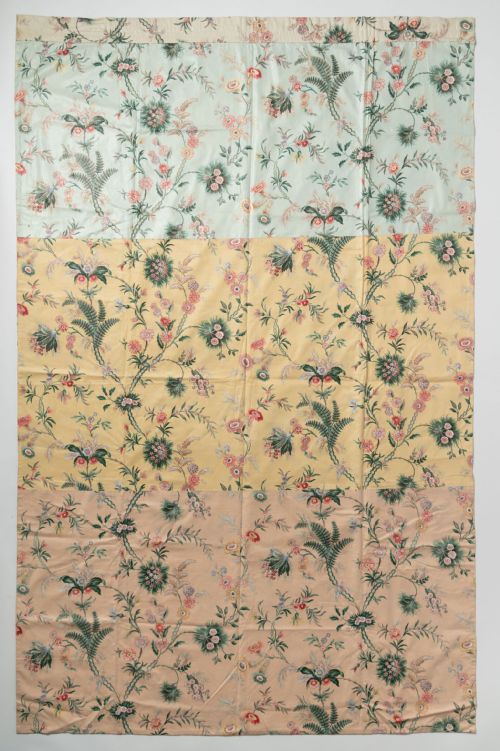
Finished works often incorporate timber framing and protective glass. Certain textile pieces employ woven methods to depict similar natural subjects.
The listings span multiple centuries, incorporating paper, watercolour, ink, wood, and glass across various natural history styles.
Factors of quality
Quality rests in the precision of the draughtsmanship and the delicacy of the colouring. Works executed by accomplished natural history artists show superior botanical accuracy and fine brushwork.
The preservation of the paper and the vibrancy of the pigments dictate distinction. Clean margins and authentic period framing elevate the standing of an individual piece.
John Curtis·William Swainson·Georg Wolfgang Knorr·George Dionysius Ehret·Lilian Stannard
The Green Botanical Prints Glossary
- Engraving
- A printmaking technique where an image is incised onto a metal plate to hold ink. This method allows for fine, crisp lines ideal for scientific illustration.
- Lithography
- A planographic printing process based on the repulsion of oil and water. It enabled accurate mass reproduction of coloured botanical plates.
- Gouache
- An opaque water-based paint. It provides solid areas of colour and dense highlights in works on paper.
- Hand-coloured
- Monogram or printed outlines enhanced by hand with watercolour or wash. This technique adds depth and naturalistic variation to historical prints.
- Watercolour
- A paint consisting of pigment suspended in a water-soluble vehicle. It yields transparent washes suited to botanical studies.
Green Botanical Prints: Frequently Asked Questions
How do I hang antique botanical prints?
Protect the paper from direct sunlight by placing the framed works on interior walls away from bright windows. Ensure the hanging wire and fixings match the weight of the wood frame.
Group related studies together in pairs or series to create a balanced display. Maintain stable indoor humidity to preserve the paper and backing.
Are these prints original period pieces?
The pieces originate from specific historical periods including the eighteenth and nineteenth centuries, as indicated by the paper stocks, printing methods, and artistic styles. Examining the medium helps confirm the age.
Original works bear the marks of contemporary hand-colouring and traditional printing techniques rather than modern digital reproduction.
How do I care for watercolour botanical art?
Keep the glazed frames clean using a soft, dry cloth on the glass and timber. Avoid spraying cleaning products directly onto the frame where moisture might seep inside.
Monitor the room environment for dampness and extreme temperature shifts. Professional framing with acid-free materials protects the paper over decades.
What subjects appear alongside plants?
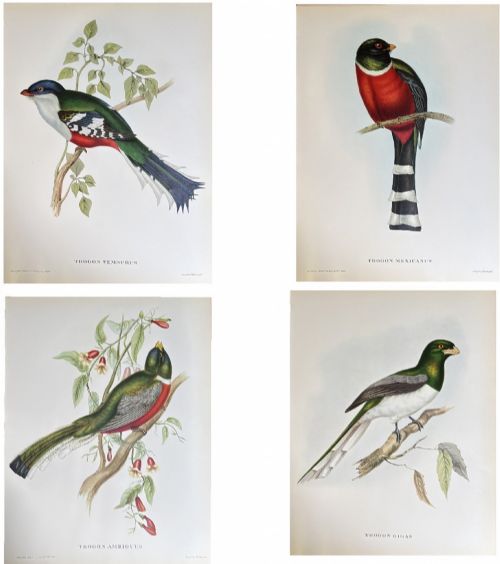
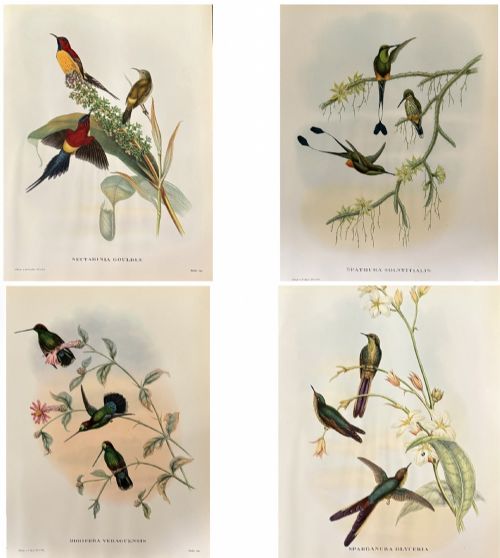
Many botanical and natural history works incorporate insects, birds, or fruit. These compositions reflect scientific interest in ecosystems and classification during past centuries.
Artists often detailed caterpillars, butterflies, or perching birds to show the interconnected life surrounding specific plants.