


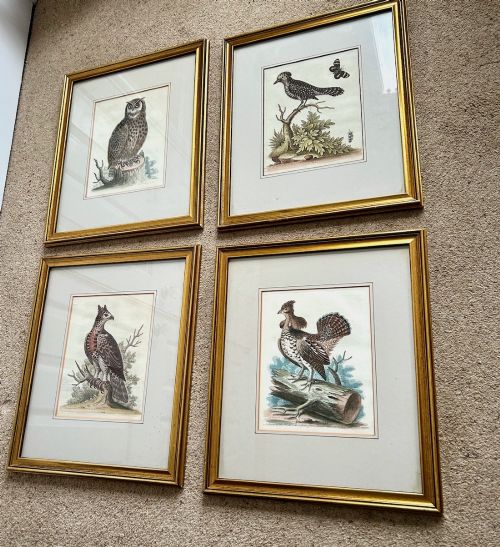
Vintage Natural History Art
Vintage natural history art brings framed prints, paintings and engravings of animals, birds and plants into domestic rooms.
Vintage Natural History Art
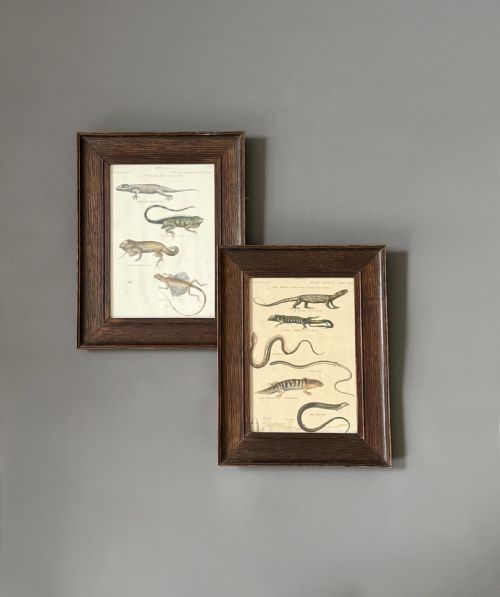
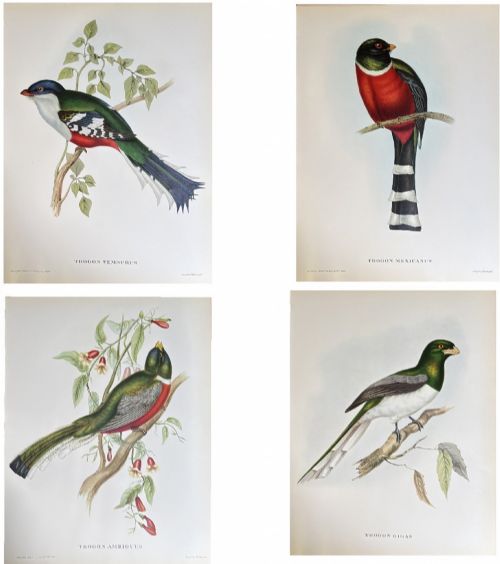
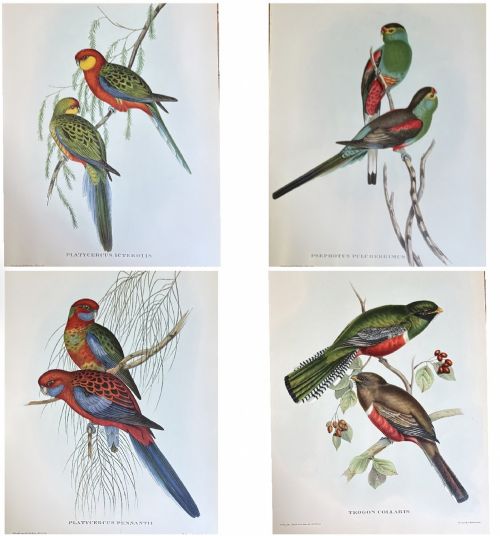
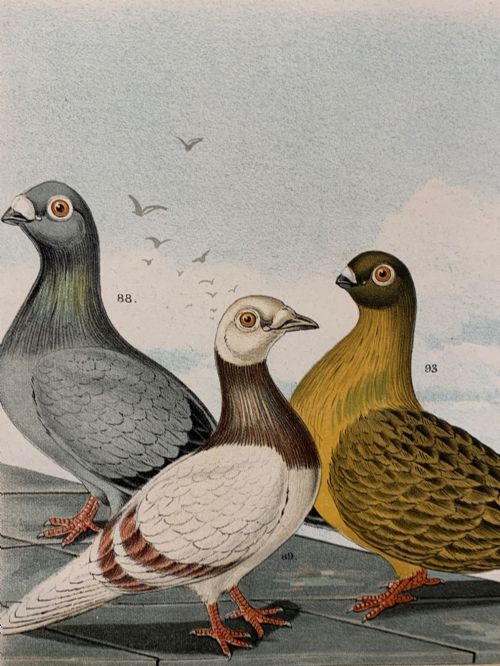
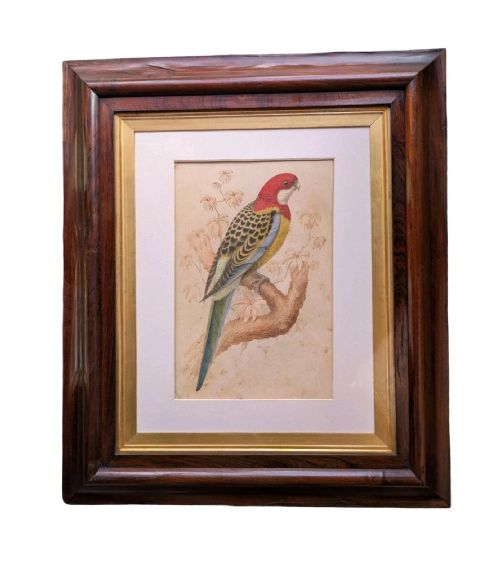
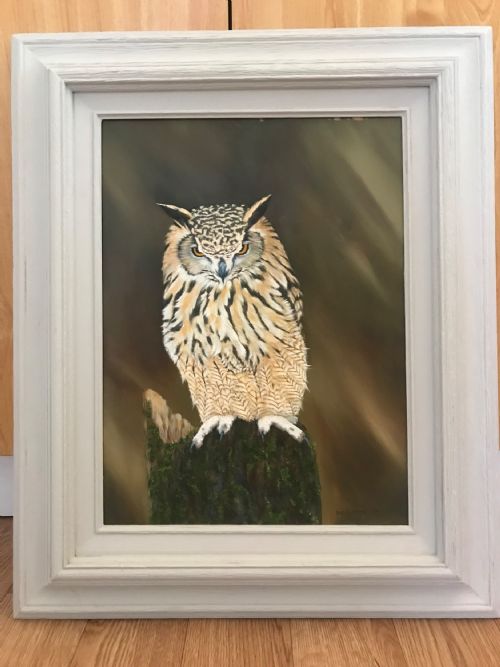
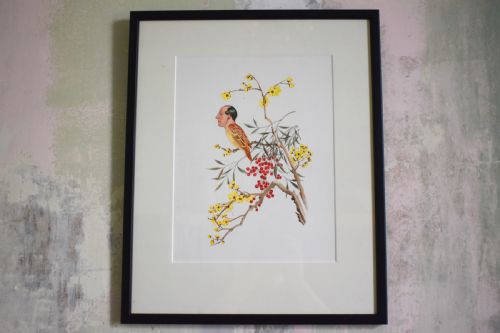
Vintage natural history art comprises framed prints, wall art, paintings and engravings depicting subjects such as birds, reptiles, fish, butterflies, botanicals and animals. These works span periods from the eighteenth century through the nineteenth century, the Edwardian era, and mid-century decades up to nineteen sixty.
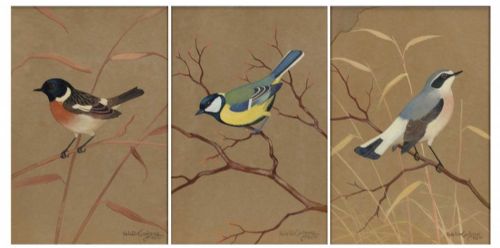
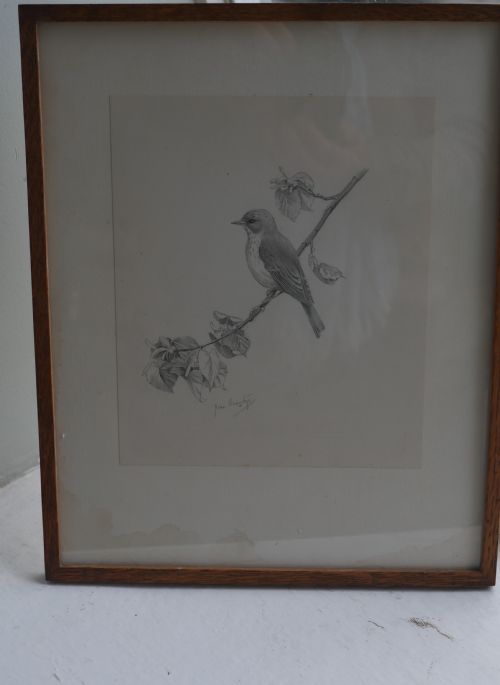
Buyers encounter framed engravings, lithographs and original watercolours, oils on panel, and pencil drawings. The selection ranges from single sheets to matched sets of prints and botanical specimens.
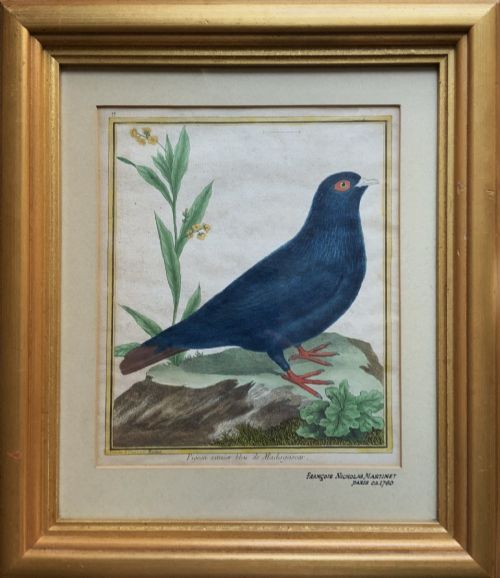
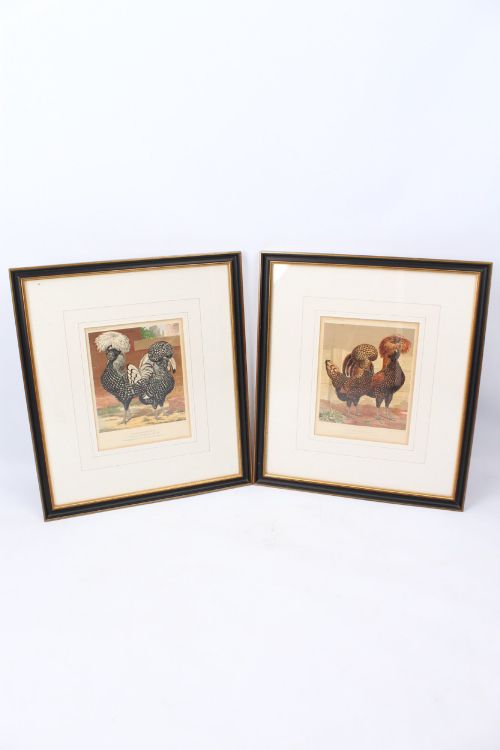
Origins include British and continental European creators, with works presented in frames incorporating glass, wood, ebonised moulding and giltwood mounts.
How they were made
Makers produced these works on paper using engraving, lithography, watercolour, ink, pencil and oil paint, occasionally applying hand-colouring or gold leaf.
Framing utilised wood, gilt wood and ebonised mouldings, paired with glass to protect fragile watercolours, drawings and paper prints.
Among the fauna are framed peacock feathers, offering natural colour without a single stroke of paint.
What varies in quality
Quality rests in the precision of the draughtsmanship, whether in an intricate pen and ink drawing, a detailed engraving of a rhinoceros skeleton, or a delicate watercolour painting of a bird.
The vibrancy and accuracy of hand-colouring applied to copperplate engravings and lithographs distinguish finer plates from standard impressions.
The integrity of the framing, from ebonised wood to deep giltwood mounts, contributes to the overall presence of the piece.
William Bird·François Nicolas Martinet·George Edwards·Jonathan Couch·John Curtis
The Vintage Natural History Art Glossary
- Engraving
- A printmaking technique where an artist cuts an image into a metal plate to produce detailed lines. These plates often received hand-colouring.
- Lithography
- A planographic printing process utilising stone or metal plates to create multiple reproductions. Prints were frequently hand-tinted afterwards.
- Botanical specimen
- An illustration or preserved subject focusing on plants and flowers. These often include associated insects.
- Gilt wood
- Wood coated with gold leaf or a gold-coloured finish. This material frequently forms the mounts or frames of antique works.
- Ebonised frame
- Wood stained or treated to resemble ebony. It provides a dark, contrasting border for watercolours and prints.
Vintage Natural History Art: Frequently Asked Questions
What subjects appear in natural history art?
These works depict birds, reptiles, fish, monkeys, insects, botanicals and mammals. Artists recorded anatomical studies and natural specimens across centuries.
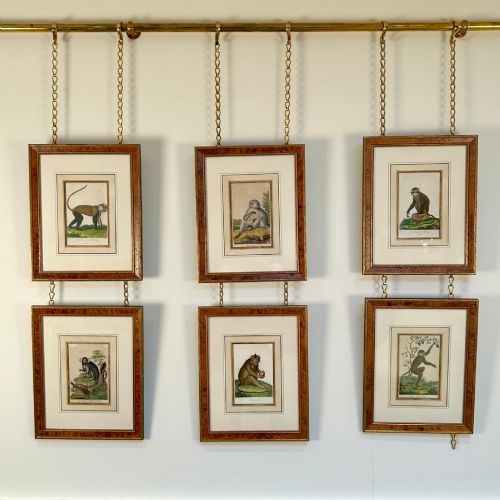
Subjects range from single specimens to detailed pairs and sets of four or more prints.
How are these pieces framed?
Pieces appear in wood frames, ebonised surrounds and frames featuring deep giltwood mounts. Glass protects fragile paper works, watercolours and engravings.
Original frames preserve the period context of the artwork.
Are these works hand-coloured?
Many engravings and lithographs feature hand-applied watercolour tinting over the printed lines. This technique enhanced the realism of birds, plants and reptiles.
Colour application varies across individual plates and production periods.
How do I identify the period?
Dating relies on paper characteristics, printing methods, framing styles and artist signatures. Eighteenth-century works often use hand-coloured copperplate engravings, while later pieces include nineteenth-century lithographs and mid-century paintings.
Inscriptions and publication details on the margins provide further temporal clues.