


Bird Illustration Prints
Bird illustration prints capture avian forms across centuries, bringing meticulous natural history studies and decorative nature into domestic interiors.
Bird Illustration Prints
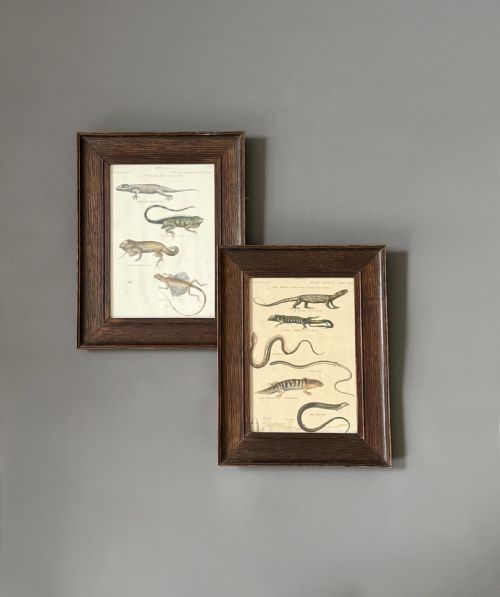
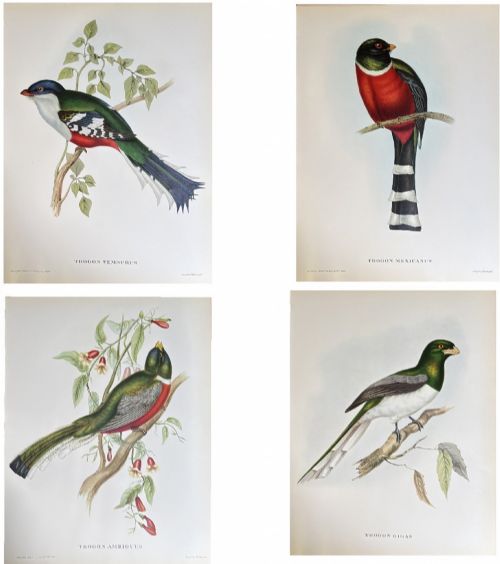
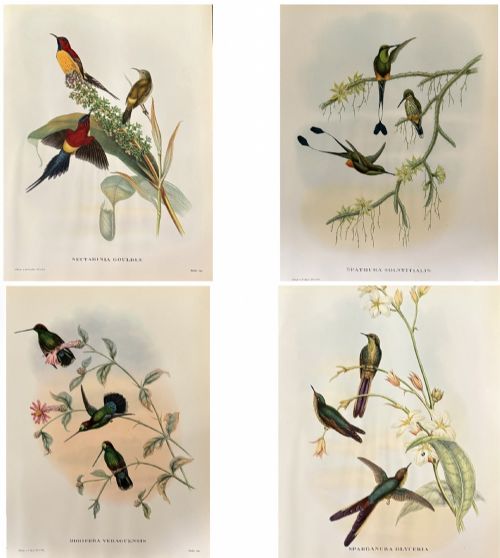
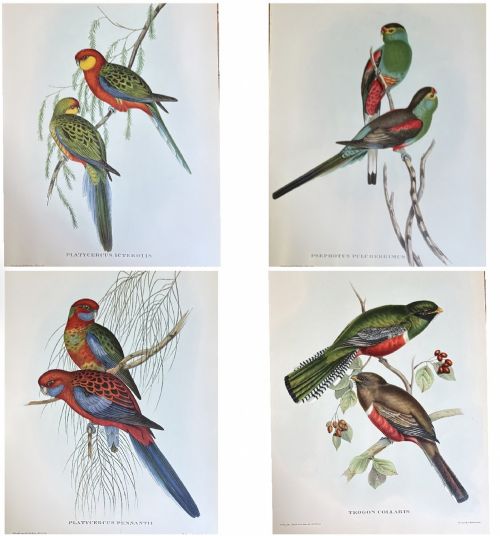
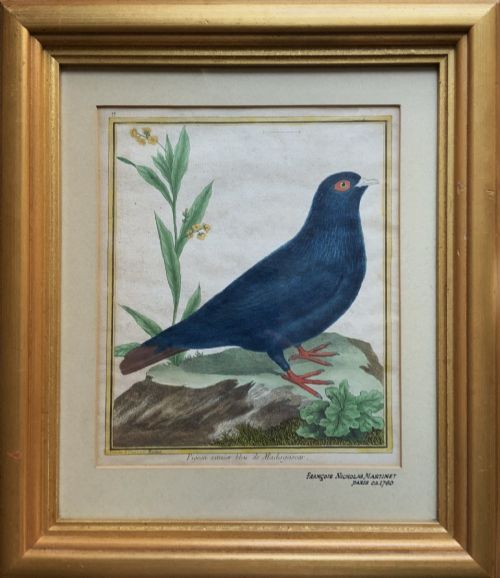
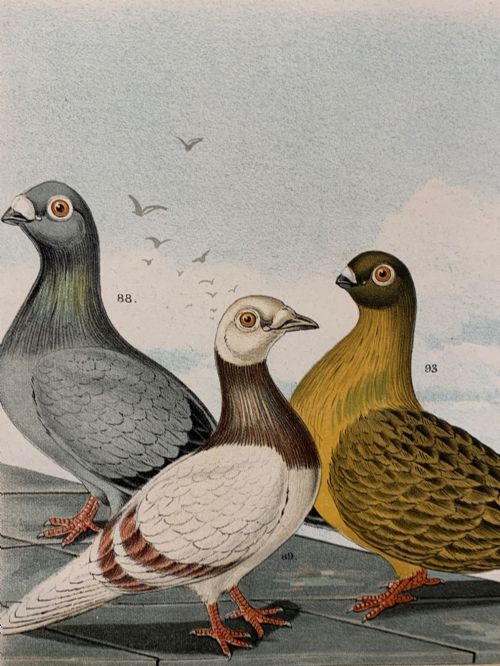
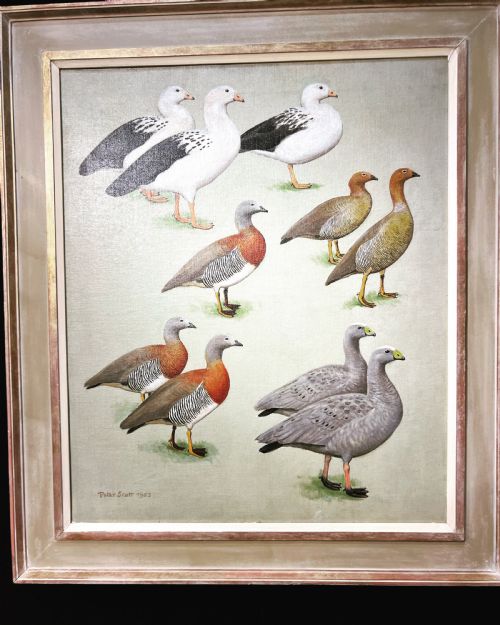
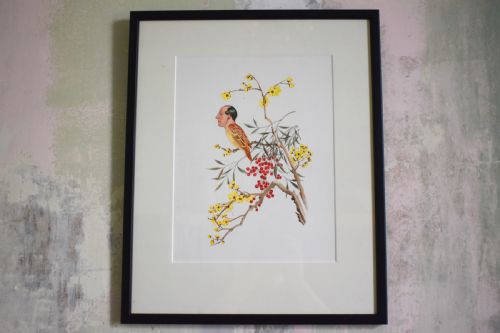
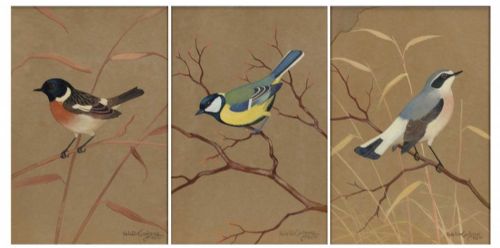
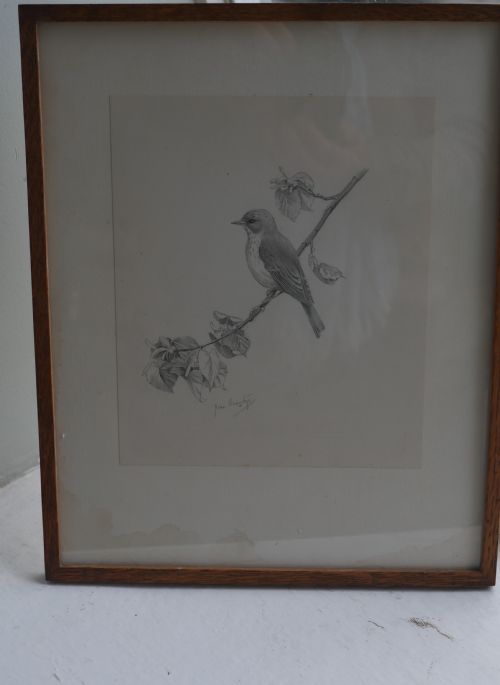
Bird illustration prints encompass framed artworks, engravings, and watercolours originating from the eighteenth century through to the mid-twentieth century. Buyers encounter natural history plates, groupings of tropical species, and detailed studies of garden birds.
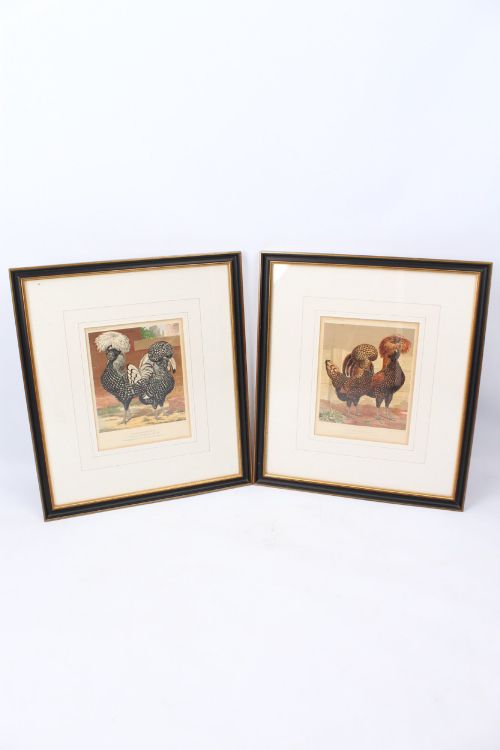
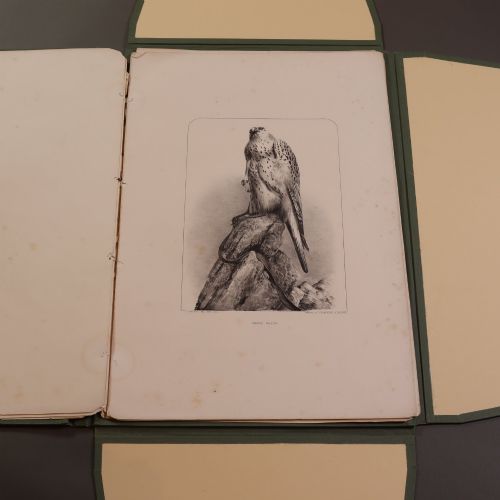
The material record spans centuries of publishing and painting, ranging from Georgian and Victorian hand-coloured copperplate engravings to Edwardian watercolours and mid-century lithographs. Many pieces arrive framed in wood, ebonised surrounds, or with giltwood mounts.
Origins stretch from British naturalist traditions to continental European printmaking and Australian bush scenes. These works document pigeons, parrots, waterfowl, and game birds through the meticulous eyes of period artists and scientists.
Materials and execution
Papermaking and print techniques form the foundation of these works, utilising copperplate engravings, lithographs, and delicate watercolours on paper. Artisans frequently applied hand-colouring in watercolours over printed outlines to achieve lifelike plumage.
Framing materials reflect the period of presentation, employing traditional timber mouldings, ebonised wood, and deep giltwood mounts designed to isolate and protect the artwork. Gold leaf and gilt accents highlight the borders of select plates.
Factors of distinction
The vibrancy and precision of the hand-colouring separate standard plates from superior examples, where pigment application remains crisp and true to the natural specimen. Early impressions from copperplate engravings retain sharper lines than later restrikes.
The integrity of the paper and the depth of the original mount contribute significantly to the standing of a piece. Works preserved in period frames with intact watercolours and minimal toning command greater attention from collectors.
François-Nicolas Martinet·John Hancock·Charles F. Tunnicliffe·George Edwards·Edward Lear
The Bird Illustration Prints Glossary
- Lithograph
- A print produced by drawing on limestone or a metal plate with a greasy medium, allowing ink to adhere only to the drawn areas. This technique enabled the vibrant multi-coloured bird plates seen in nineteenth-century publications.
- Engraving
- An intaglio printing process where an artist cuts lines into a metal plate to hold ink, producing fine, precise details. Hand-colouring was frequently added afterwards.
- Natural history illustration
- Scientific depiction of animals and plants that balances accurate anatomical observation with aesthetic composition. These works served both academic study and domestic decoration.
- Giltwood
- Wood carved and coated with gold leaf or metallic powder to create a reflective surface. It frequently appears on mounts and frames from the eighteenth and nineteenth centuries.
- Watercolour
- A paint consisting of pigment suspended in a water-based solution, applied to paper for fluid and luminous effects. It appears both in finished paintings and as hand-colouring over printed lines.
Bird Illustration Prints: Frequently Asked Questions
How do I date antique bird prints?
Dating relies on the paper quality, printing technique, and stylistic markers visible in the engraving or painting. Typography, plate marks, and framing materials also provide clues to the decade of production.
Comparison with documented natural history publications helps narrow the timeframe further. Examining the signatures and paper watermarks offers additional chronological evidence.
Are these prints hand-coloured?
Many plates from the eighteenth and nineteenth centuries combine printed monochrome outlines with subsequent hand-colouring in watercolour. Artisans applied pigments by hand to accurately render the varied hues of plumage.
Close inspection under magnification reveals the brushstrokes over the printed lines. This technique distinguishes fine natural history plates from purely mechanical modern reproductions.
How should I frame and display them?
Protection from direct sunlight prevents the fading of delicate watercolours and tinted paper. Acid-free mounting materials ensure the paper does not degrade over time.
Displaying pieces in period-appropriate wood or gilt frames maintains their historical character. Maintaining stable humidity levels in the room preserves both the paper and the framing.
What is the difference between an engraving and a lithograph?
An engraving is printed from incised metal lines, producing crisp, sharp details suited to early scientific works. A lithograph uses a chemical process on stone or metal, allowing for softer tonal gradations and richer colour application.
Engravings often exhibit a plate mark indentation in the paper. Lithographs present a smoother surface integration of ink and paper fibres.