


Vintage Bird Engravings
These vintage bird engravings bring natural history to the wall, offering precise study and fine detail for the home.
Vintage Bird Engravings
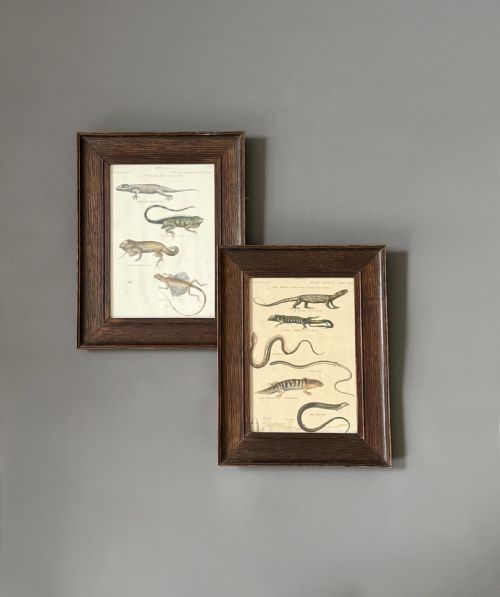
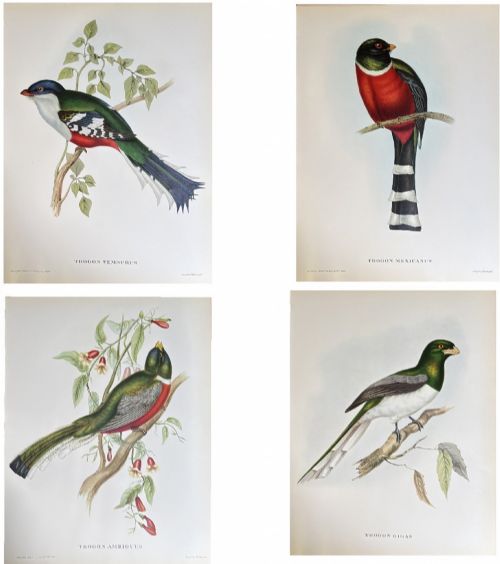
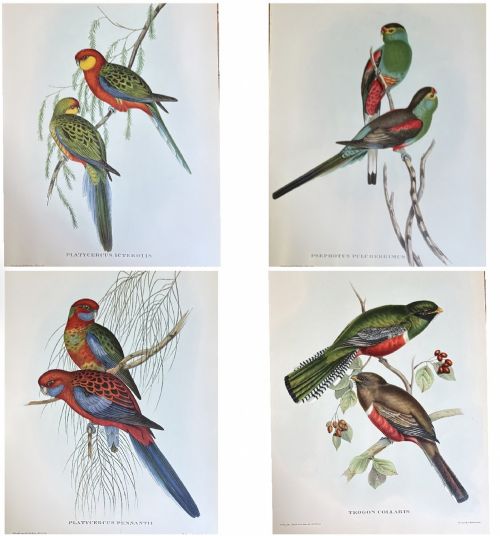
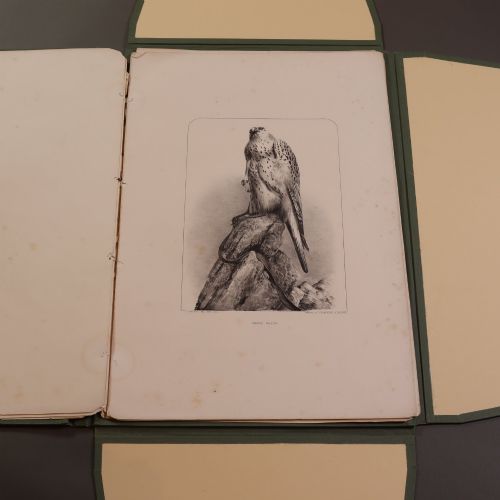
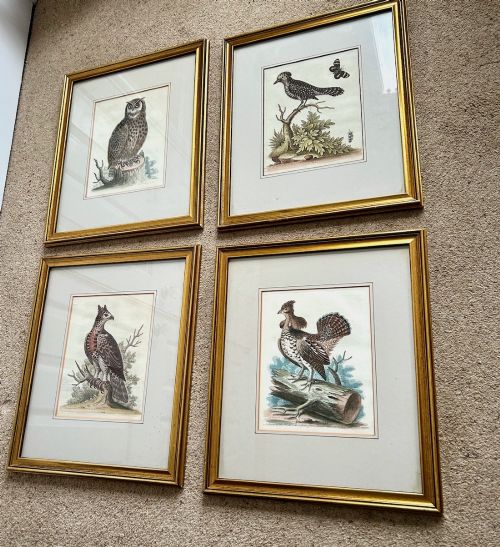
Vintage bird engravings capture the careful observation of ornithology across the eighteenth and nineteenth centuries. Buyers searching for vintage bird engravings will find framed prints, wall art, and unframed prints depicting various avian subjects.
The selections span distinct historical periods including Georgian and Victorian eras, alongside mid-twentieth century print sets. Common forms include single plates, pairs, and matching sets of four or ten.
Originating from natural history publications, these works range from early hand-coloured copperplate engravings to later nineteenth-century prints. They present birds in both scientific study and decorative arrangement.
How they were made
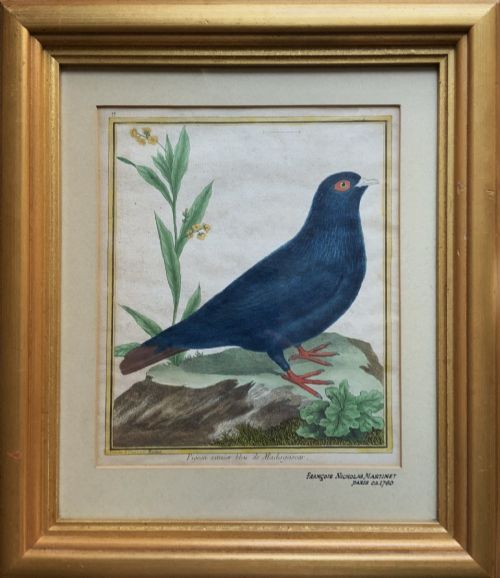
The foundational technique relies on ink printed from engraved metal plates onto paper sheets. Artisans frequently applied watercolour by hand to enhance the plumage and botanical details.
Framing materials reflect the period of display, often utilising wood, gilt wood, and gold leaf highlights. Protective glass commonly covers the paper to preserve the delicate ink and pigment layers.
Listings feature paper, glass, wood, and gold leaf materials across eighteenth and nineteenth-century periods.
What varies in quality
The crispness of the original plate impression dictates the clarity of the fine lines defining the feathers and anatomy. Sharp, deep strikes into the paper surface separate superior plates from worn impressions.
Hand-colouring varies from hasty washes to meticulous artistry that preserves the texture of the paper and ink. The vibrancy and stability of the pigments over centuries also distinguish finer examples.
François-Nicolas Martinet·George Edwards·William Swainson·Eleazor Albin
The Vintage Bird Engravings Glossary
- Engraving
- A printmaking process where an artist cuts lines into a metal plate to hold ink. This technique creates the sharp, precise lines characteristic of early scientific illustration.
- Hand-coloured
- The application of watercolour or pigment by hand after the base impression is printed. This adds realistic hues to the feathers and surrounding flora.
- Ornithological
- Relating to the scientific study of birds. Plates described as such were typically commissioned for natural history volumes.
- Plate mark
- The indentation left on the paper by the edge of the printing plate under pressure. Its presence confirms an authentic antique impression.
Vintage Bird Engravings: Frequently Asked Questions
How should I hang vintage bird engravings?
Protect these paper works by avoiding direct sunlight, which fades the delicate hand-applied watercolours over time. Maintain stable indoor humidity to prevent the paper from cockling within the frame.
Group smaller sets together to create a traditional gallery wall effect that mirrors historical study rooms. Ensure each piece is secured safely away from heat sources like radiators.
Are these prints original to their stated period?
Authentic pieces originate from the publication dates recorded in the descriptions, utilising contemporary printing methods of the eighteenth and nineteenth centuries. Plate marks and paper characteristics help corroborate the era of production.
Examine the margins and reverse of the sheet for signs of binding edges or historical text matching the stated publication. Expert framing often retains clues regarding the lifespan and history of the print.
What is the difference between an engraving and a print?
An engraving specifically denotes an image printed from a metal plate where the design was incised by hand. Other prints in natural history collections may utilise different reproduction technologies from later decades.
Both forms served to document species before modern photography became widespread in publishing. The engraved line offers a distinct tactile crispness under close inspection.
Can I remove the prints from their frames?
Historical framing often forms part of the object's documented provenance and contributes to its overall character. Removing paper from period frames risks damaging the fragile margins and historical backing materials.
Consult a professional paper conservator before attempting any re-framing or unsealing. Modern archival backing materials can be added behind the original mount if protection is needed.