





Green and White Ceramics
Green and white ceramics bring together crisp botanical pigments and bright glazes across centuries of pottery and porcelain tradition.
Green and White Ceramics
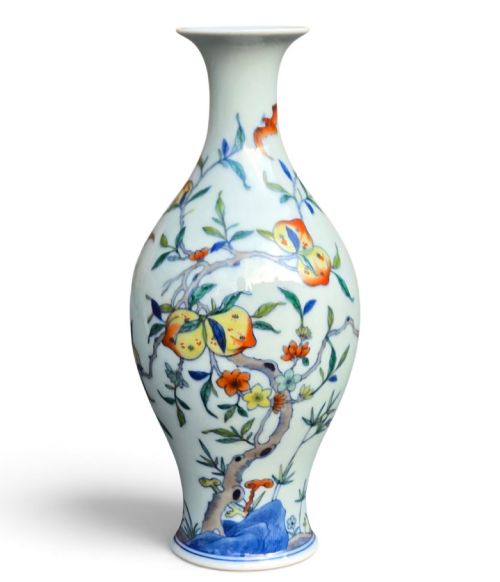
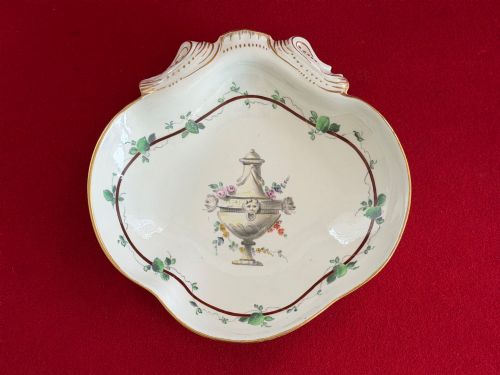
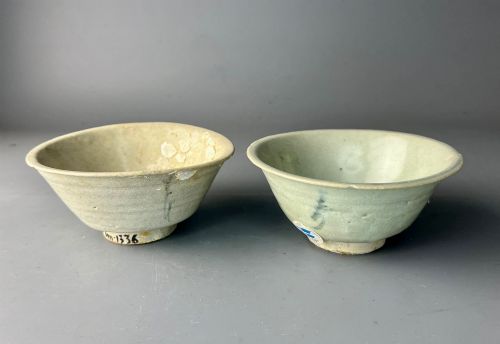
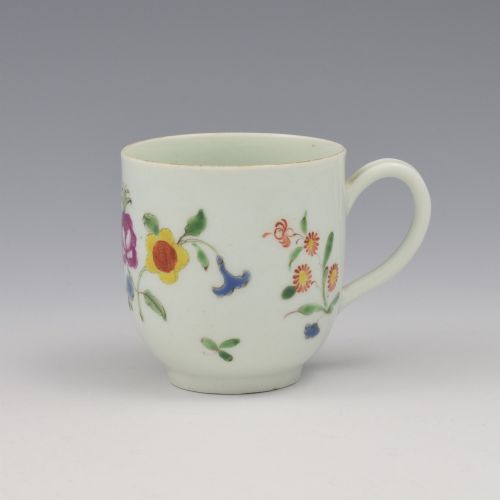
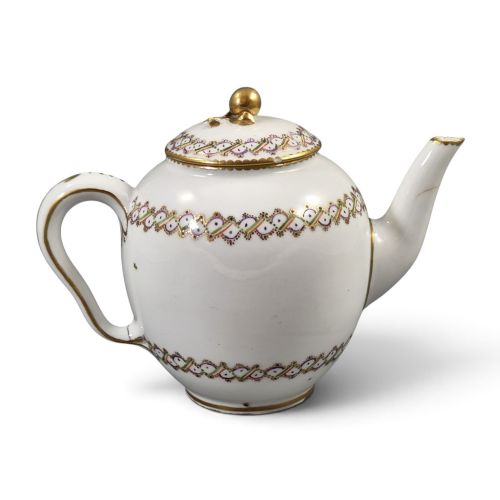
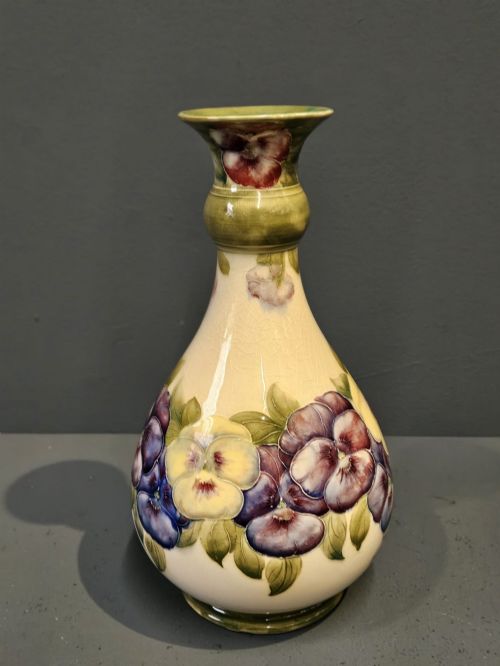
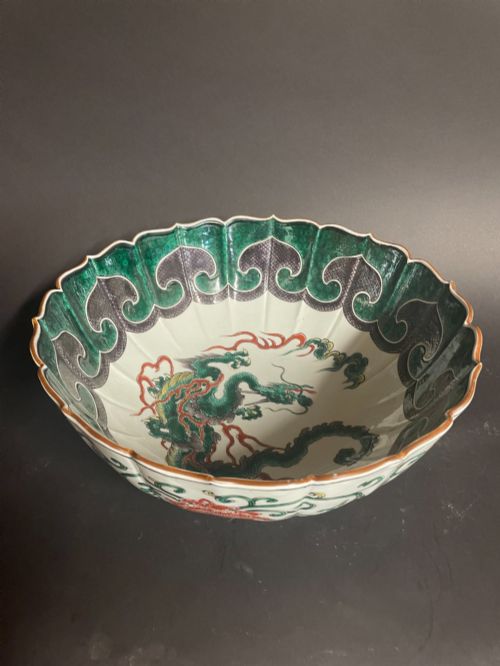
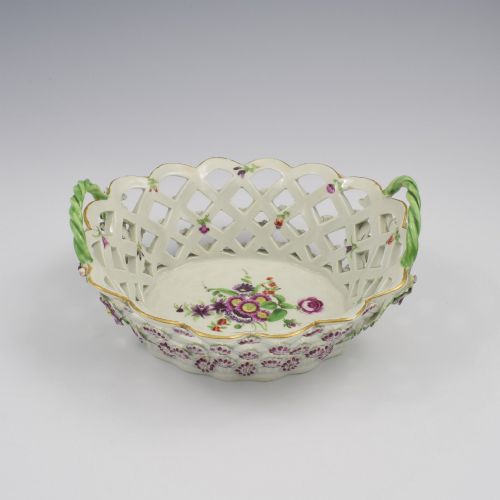
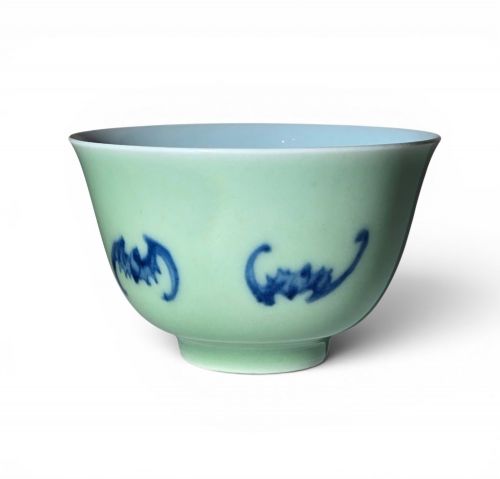
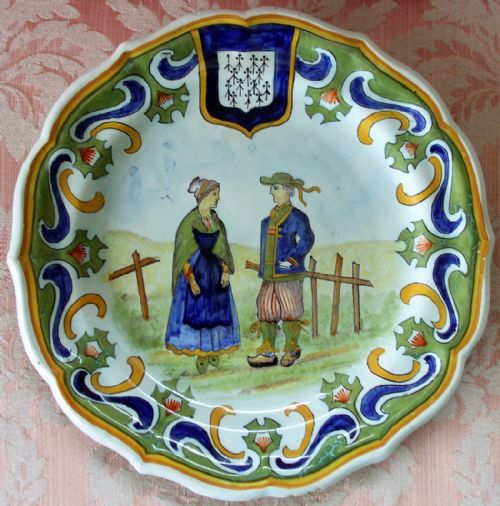
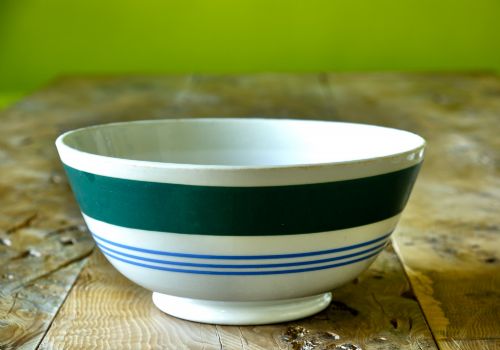
Green and white ceramics encompass a diverse range of vessels, figures, and decorative objects created across the seventeenth, eighteenth, and nineteenth centuries. Collectors encounter English pearlware figures, French faience dishes, and Qing dynasty porcelain wares sharing this distinct dual-colour palette.
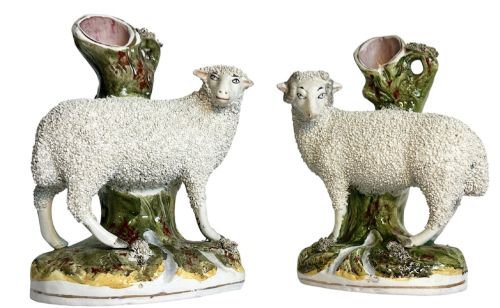
Vases, spill vases, and bowls form the majority of the domestic vessels, while Staffordshire pottery produces notable animal figures decorated in green and white enamels. Pieces span Georgian, Victorian, and continental European traditions alongside Asian export goods.
How They Were Made
Potters utilised soft-paste porcelain, earthenware, and tin-glazed fabrics as the structural base for these items, applying fluid mineral glazes before firing. Enamel pigments and underglaze colours bonded with the body during the kiln process to create durable surface decoration.
Specialised techniques such as tin-glazing provided an opaque white ground suitable for hand-painted green botanical motifs, while soft-paste porcelain allowed for delicate translucent vessel walls.
Green and White Ceramics Retail Price Guide 2026
Typical asking prices for green and white ceramics among the pieces listed under this phrase on Sellingantiques today, from the lower quarter to the upper quarter. They describe what is for sale here now, not the wider market.
Listings feature porcelain, earthenware, and tin-glazed pieces spanning the seventeenth through the twentieth centuries.
What Varies in Quality
The clarity of the pigment application and the precision of the hand-painting separate standard utilitarian wares from fine studio pieces. Brushwork on porcelain and earthenware demonstrates the artisan's control over the green and white contrast.
The sophistication of the ceramic body itself, from heavy earthenware figures to translucent porcelain vessels, determines the refinement of the finished object.
James Giles·Richard Chaffers·T G Green Pottery·Ulisse Cantagalli·Enoch Wood factory
The Green and White Ceramics Glossary
- Tin-glazed earthenware
- Pottery coated with a white tin oxide glaze that provides an opaque surface for painting.
- Pearlware
- A fine earthenware developed in the eighteenth century featuring a subtle bluish glaze over a white body.
- Soft-paste porcelain
- A ceramic composition made from clay and glass frit, fired at lower temperatures than hard-paste porcelain.
- Faience
- European tin-glazed earthenware produced widely in France and Germany.
- Enamel
- Coloured vitreous glass fused to the ceramic surface during a secondary low-temperature firing.
Green and White Ceramics: Frequently Asked Questions
How do I care for antique ceramics?
Wash ceramic pieces by hand in warm water using a mild detergent, avoiding harsh scrubbing brushes or abrasive cloths. Ensure delicate handles and painted surfaces are supported securely during cleaning.
Keep display items away from direct sunlight and areas subject to rapid temperature fluctuations to protect the glaze and body from stress.
How are different periods identified?
Examine the ceramic body, weight, and glaze characteristics to determine the manufacturing era. Eighteenth-century pieces often display hand-thrown potting marks and softer glaze lustres compared to later Victorian items.
Pigment combinations and base marks, where present, offer further indicators of the specific decade or century of production.
What is tin-glazed earthenware?
Tin-glazed earthenware is pottery covered in a glaze containing tin oxide, which fires to an opaque white finish. This technique provided potters with a smooth canvas for applying decorative colours.
Factories across Europe utilised this method to imitate prized Asian porcelains before local hard-paste formulas were discovered.
Where were these pieces displayed?
Owners placed bowls, vases, and decorative plates on mantelpieces, side tables, and dining surfaces within domestic interiors. Figures and spill vases served both ornamental and practical functions in reception rooms.
Larger vessels often occupied central positions on furniture to showcase the contrasting colour schemes to visitors.