


Graphite Pencil Drawing
When you search for a graphite pencil drawing, you meet immediate monochrome precision on paper across portraits, landscapes, and architectural studies.
Graphite Pencil Drawing
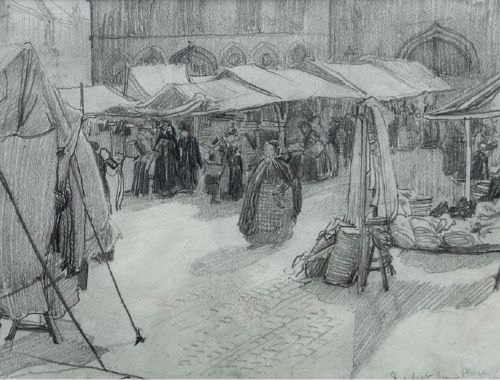
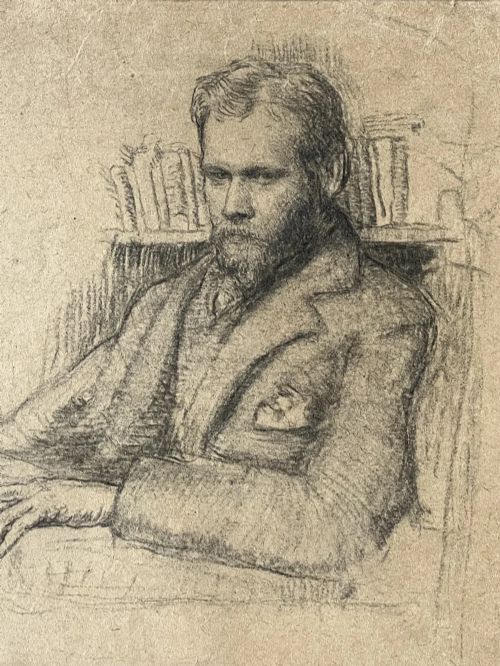
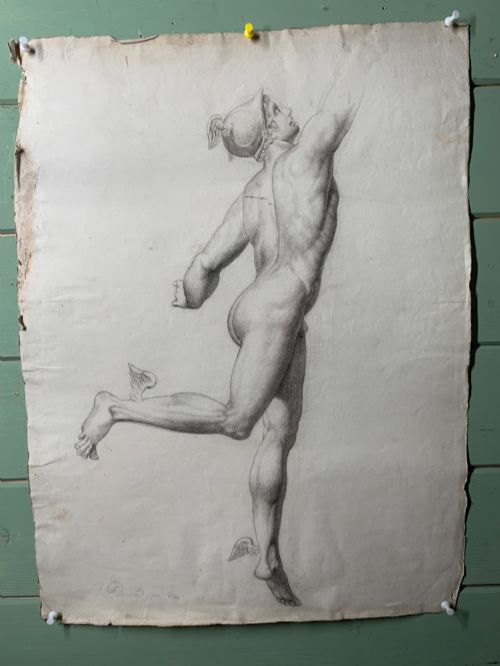
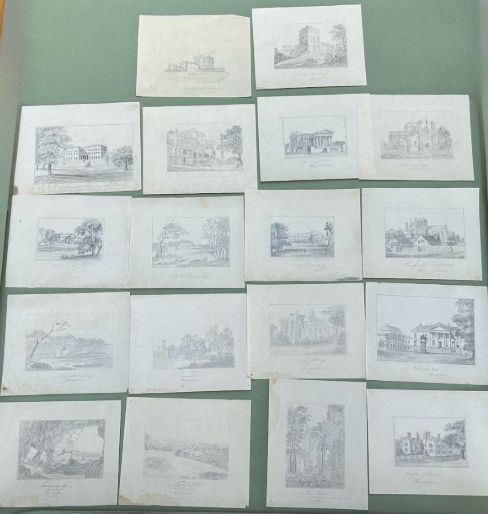
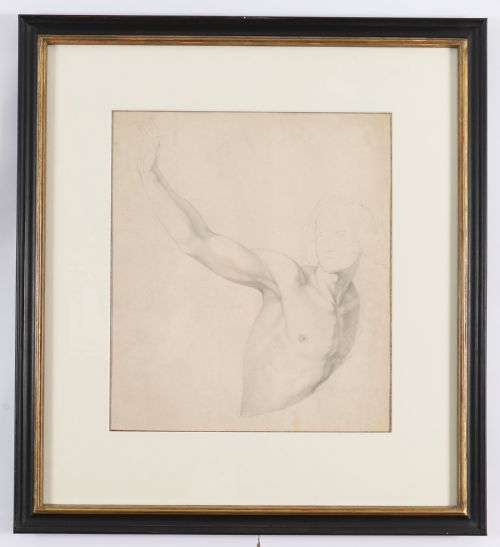
A graphite pencil drawing represents a direct hand on paper, ranging from rapid preliminary sketches to finished academic studies. You find figures, landscapes, and still life compositions created across the eighteenth, nineteenth, and twentieth centuries.
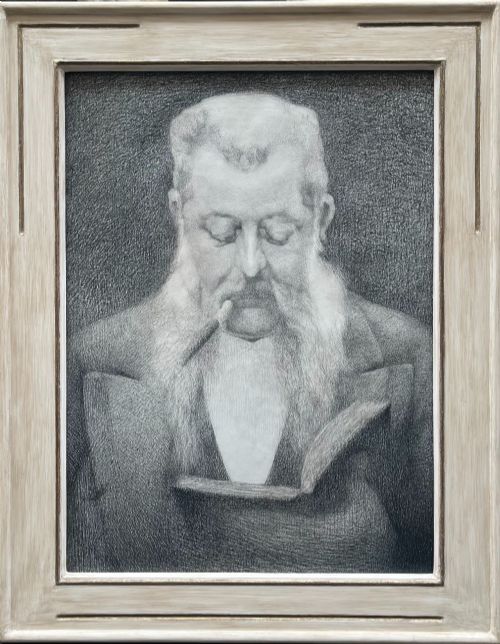
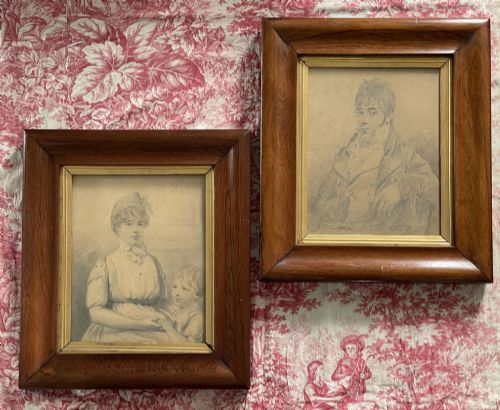
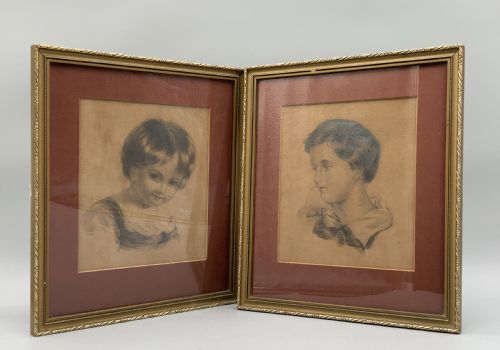
Portraiture dominates the selection, spanning Georgian plumbago likenesses, Regency couples, and Victorian studies. Architectural scenes and figural sketches after earlier masters also appear regularly among the works.
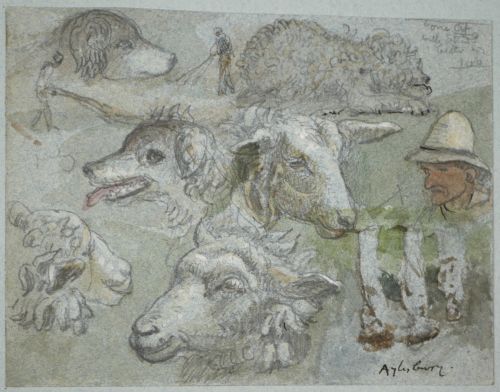
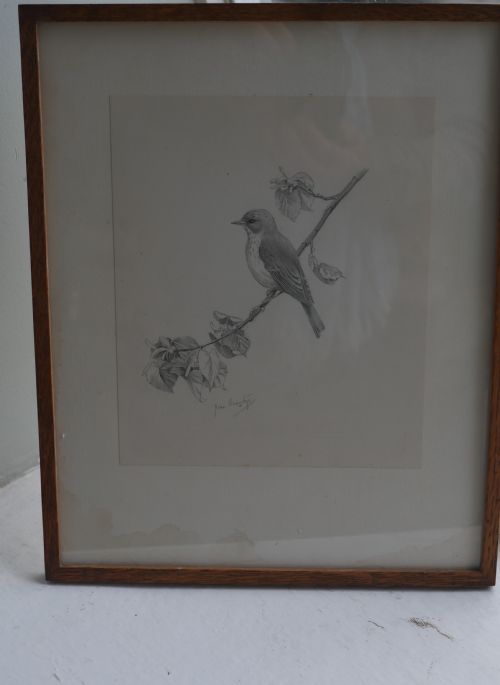
The materials remain simple, typically pencil and graphite on paper sheets, sometimes paired with watercolour, chalk, or gold leaf. Frames often accompany the artwork, preserving the fragile paper surfaces.
Materials and technique
Artists utilise graphite and pencil on paper, sometimes heightening the monochrome tones with chalk or watercolour. Plumbago works employ finely ground graphite applied with precision to achieve miniature detail.
Support sheets consist of various paper types, occasionally framed behind glass with wood or gilt moulding. Mounting and framing protect the delicate graphite mediums from smudging and environmental wear.
Listings feature paper, graphite, pencil, watercolour, and gold leaf across Georgian, Victorian, and Regency periods.
Distinctions in quality
Quality rests upon the draughtsmanship and the sureness of line, separating hurried sketches from resolved, expressive studies. Confident handling of shadow and contour marks the superior hand.
Condition plays a vital role, where clean paper free from heavy foxing or damp staining preserves the integrity of the original mark-making. The strength of provenance and attribution to known hands elevates specific pieces.
Augustus John·John Taylor·James Ferguson·Ozias Humphry·Dame Laura Knight
The Graphite Pencil Drawing Glossary
- Plumbago
- An early form of pencil drawing utilising native black lead, highly popular for detailed eighteenth-century miniatures. It yields a distinctive metallic grey lustre.
- Academic Realism
- A style of painting and drawing produced under the influence of European academies. It emphasises precise anatomy and traditional technique.
- Grisaille
- A painting or drawing executed entirely in shades of grey or neutral monochromatic tones. It often serves to imitate sculpture.
- Foxing
- Brown spots and discolouration caused by chemical reactions in ageing paper. It occurs frequently in historic works on paper.
Graphite Pencil Drawing: Frequently Asked Questions
How do I care for a graphite pencil drawing?
Keep works away from direct sunlight to prevent the paper from yellowing and the graphite from fading over time.
Ensure frames remain sealed against moisture to protect the paper surface from foxing and environmental damage.
Are these drawings original works?
Every piece listed is an original hand-drawn artwork on paper rather than a mechanical print or reproduction.
Signatures, dates, and inscriptions on the sheets often document the creation by the original hand.
What periods do these drawings cover?
The selection spans from the Georgian era through the Regency and Victorian periods into the early twentieth century.
Mid-century and modern British examples also feature alongside the earlier historical pieces.
How are antique drawings usually framed?
Many examples arrive in period wood or gilt frames that complement the age and style of the artwork.
Glass fronts protect the delicate graphite and paper surfaces from accidental smudging and atmospheric dust.