



Grand Tour Style Painting
Grand tour style painting captures the classical landscapes, Venetian canals and Roman antiquities that travellers collected abroad.
Grand Tour Style Painting
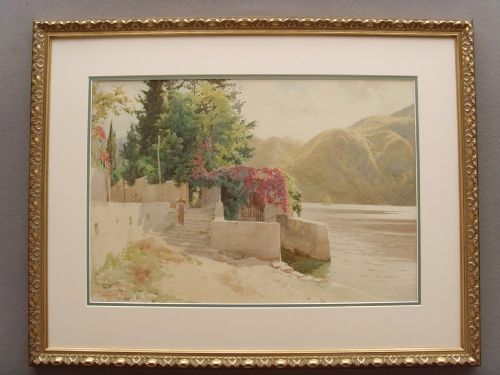
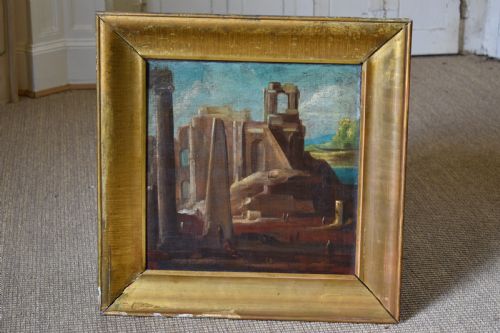
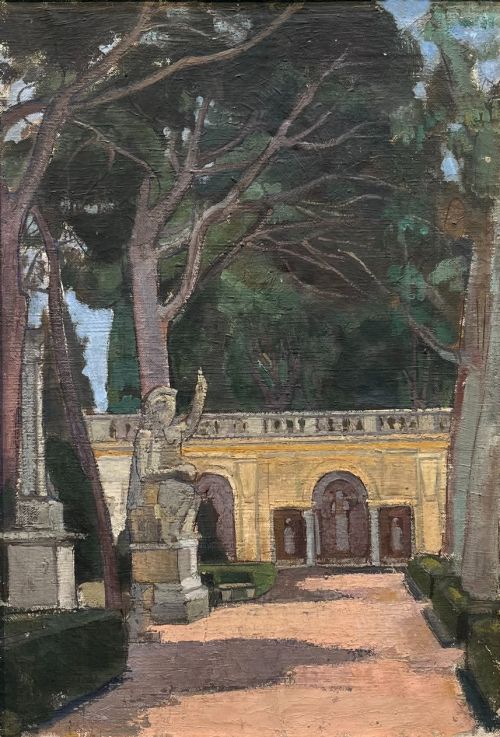
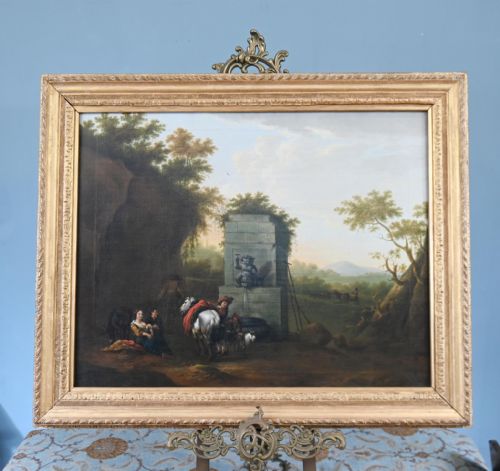
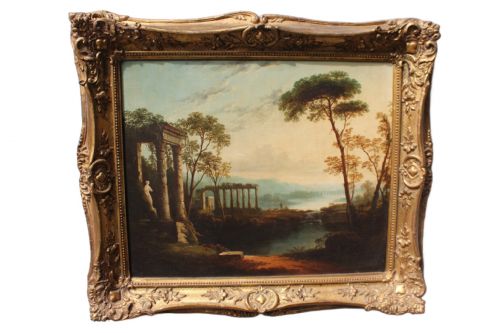
When you search for grand tour style painting, you encounter oil paintings, watercolours, and canvas works celebrating Italian landscapes and classical subjects. These pieces record the sights of Rome, Venice, and Sorrento that educated travellers visited during their travels abroad. The selection leans heavily towards nineteenth-century canvases, including Venetian canal scenes and capriccio compositions.
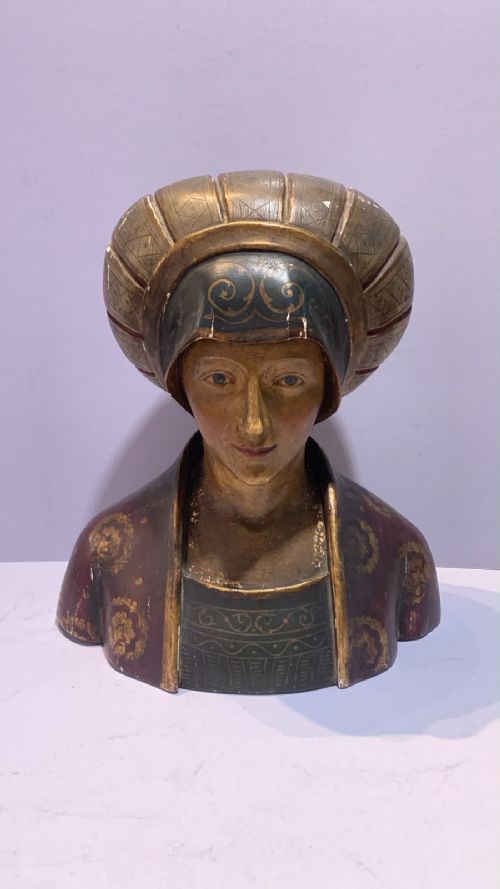
You also meet associated works like portraits of noblewomen, classical busts, and painted ceramics that share the same aesthetic. Many of these artworks emulate earlier masters such as Claude Lorrain, Jan Miel, or Francesco Guardi. They serve as atmospheric reminders of classical antiquity and the Italian landscape.
How they were made
These works rely on traditional oil on canvas and watercolour techniques applied by artists working in British and Italian schools. Canvases are stretched and mounted within heavy gilt wood or gesso frames that reflect the period taste for ornate display. Sculptural counterparts utilise terracotta, plaster, and carved wood to mirror classical forms.
Surface treatments involve layers of paint and gold leaf, capturing the warm Mediterranean light essential to the genre. Artisans utilised oil paint to build depth in landscape foliage and architectural ruins. Many frames incorporate gesso mouldings finished with gilding to enhance the visual weight of the art.
Listings feature oil on canvas alongside terracotta busts, gilt wood frames, and maiolica chargers from the seventeenth to twentieth centuries.
What varies in quality
The distinction between superior examples and simpler decorative works lies in the brushwork and spatial control of the composition. Finer canvases display confident handling of light and shadow, particularly in architectural details and atmospheric skies. Weaker pieces lean on rigid repetition without the spirited execution seen in works by skilled hands.
Frame craftsmanship also signals quality, with hand-carved giltwood and gesso standing apart from mass-produced mouldings. The depth of the pigment and the fidelity to classical proportions dictate the artistic standing of each piece. Superior works demonstrate a deeper engagement with historical precedents like Claude Lorrain or Francesco Guardi.
Jane Vivian·Alfred Pollentine·Thomas Jones
The Grand Tour Style Painting Glossary
- Capriccio
- An architectural fantasy placing together classical ruins, buildings, and other architectural elements in a fictional landscape. This style allowed artists to compose idealised Italian scenes.
- Gesso
- A plaster-like mixture applied to wood frames before gilding or painting. It provides a smooth surface for intricate mouldings.
- Giltwood
- Wood carved and covered with a thin layer of gold leaf. It defines the ornate framing typical of nineteenth-century display pieces.
- Terracotta
- Fired clay used for sculptural busts and figures. The material offers a warm, earthy tone suited to classical subjects.
Grand Tour Style Painting: Frequently Asked Questions
What is a grand tour style painting?
These works are nineteenth-century and earlier depictions of Italian landscapes, Venetian canals, and classical ruins created for travellers exploring Europe. They encompass oil on canvas and watercolour works that capture the scenery of Rome, Venice, and Sorrento.
Artists often painted views in the manner of earlier masters, producing souvenirs for collectors. The genre bridges topographical recording with romantic ideals of antiquity.
Where were these paintings displayed?
Travellers brought these artworks home to decorate the drawing rooms and libraries of British and European residences. They served as conversation pieces that demonstrated the owner's cultural education.
Framed in heavy giltwood, they hung alongside classical busts and decorative ceramics. Their presence signalled a refined appreciation for Italian art and history.
How do I date a painting?
Dating relies on the canvas stretcher construction, framing style, and the pigment composition used by the artist. Nineteenth-century works often feature specific canvas supplier stamps and Victorian framing methods.
Stylistic cues, such as the brushwork and the romantic treatment of light, also point towards particular decades. Comparing signatures and recorded artist movements helps establish the era of creation.
Are frames original to the art?
Many pieces retain their period gilt wood or gesso frames, which contribute significantly to the visual character of the work. Over time, frames were occasionally swapped to match contemporary interior tastes.
Examining the fit between the canvas and the rebate helps determine if they have remained together. Original frames show matching wear patterns consistent with the age of the painting.