

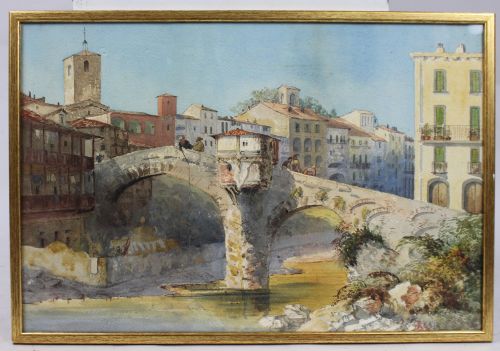
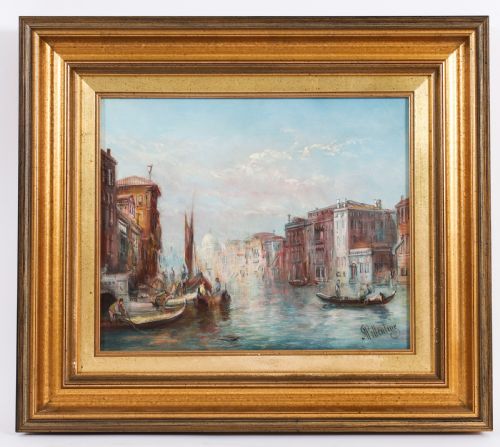
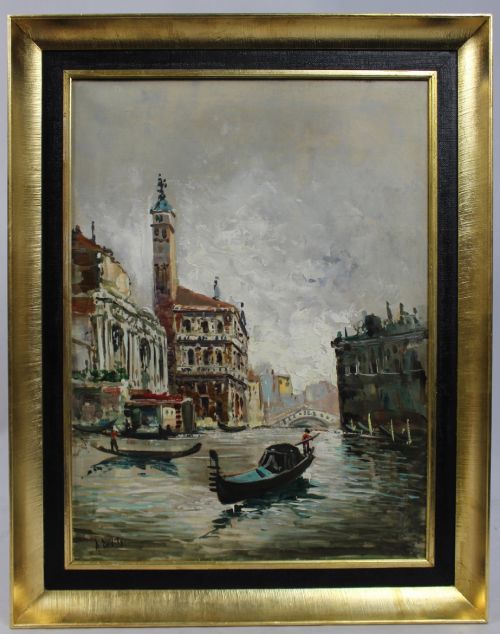
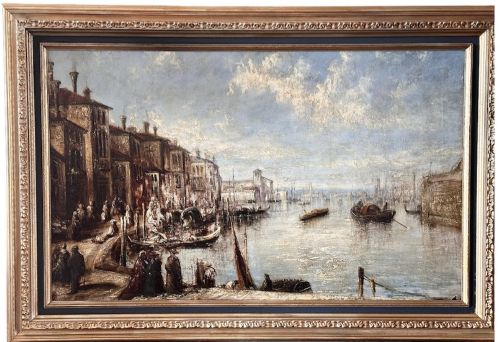

Framed Italian Landscape Painting
A framed italian landscape painting brings the light and classical ruins of the Mediterranean directly into a room.
Framed Italian Landscape Painting
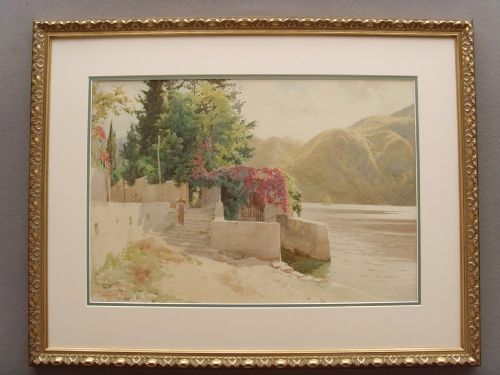
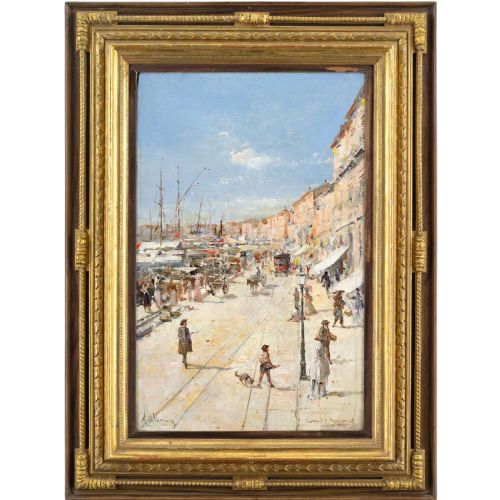
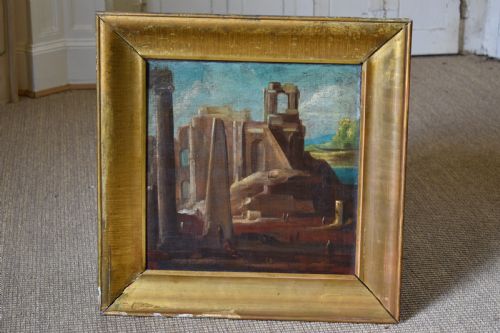
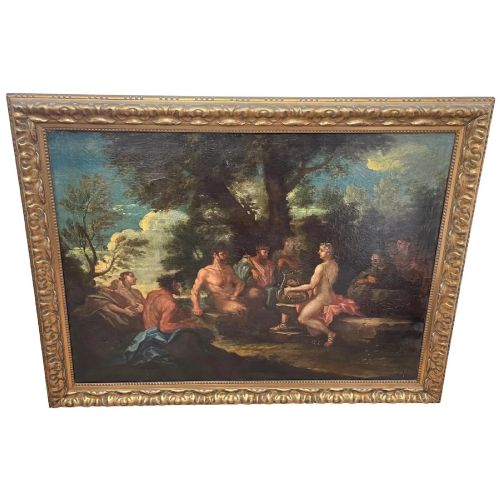
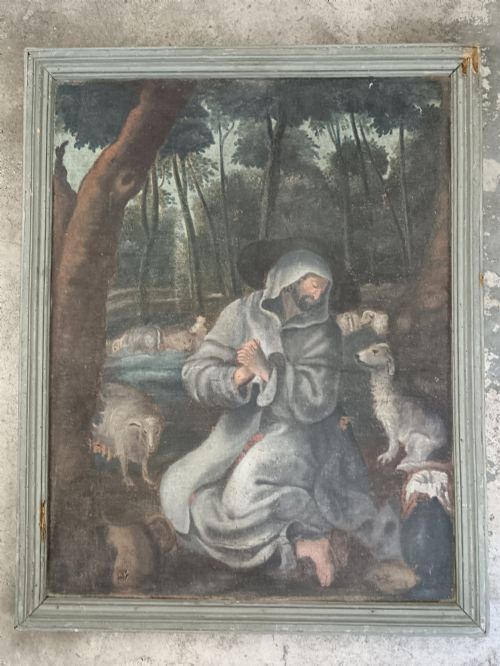
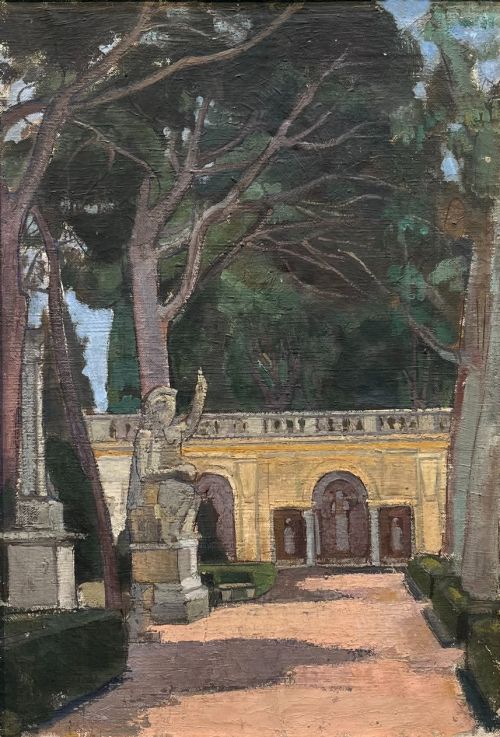
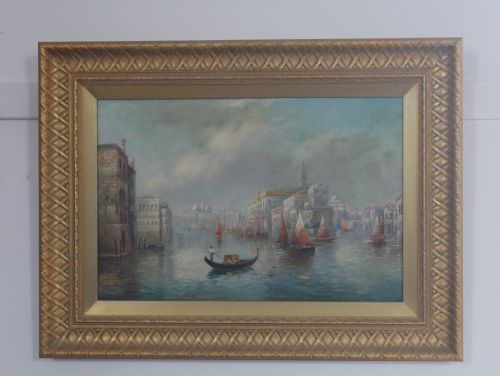
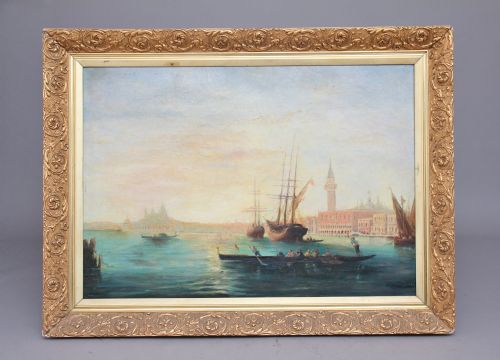
A framed italian landscape painting captures sunlit vistas, classical ruins, and bustling Venetian canals produced across multiple centuries. Buyers looking for this phrase encounter works ranging from 17th-century Old Master compositions to Edwardian watercolours and mid-century canvases.
The selections span grand pastoral scenes, coastal views of Naples and Rome, and atmospheric depictions of the Venetian lagoon. Many of these artworks stem from the Grand Tour tradition, collected by travellers returning from Italy.
Oil on canvas and delicate watercolour on paper represent the primary formats found in this selection. These pieces frequently retain their period frames, ranging from simple timber mouldings to heavy gilded wood.
How They Were Made
Artists applied oil paint to canvas or board, building depth through layered glazes and visible brushwork. Watercolours were painted onto paper, capturing light and atmosphere with transparent washes.
Frames utilise wood, often finished with gilded surfaces or ornate plaster mouldings that complement the pictorial style of the period.
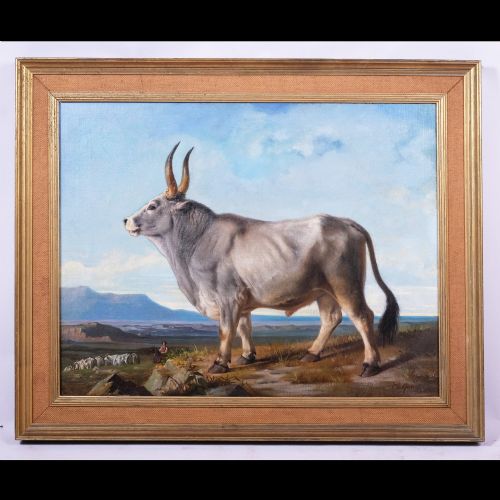
The selection includes depictions of Tuscan bulls, Neapolitan fisherfolk, and cavalry skirmishes alongside Venetian canals.
What Varies in Quality
The strength of the composition and the fluidity of the brushwork distinguish ambitious cabinet pictures from routine topographical records. Works attributed to known schools or documented artists demonstrate superior handling of light, perspective, and architectural detail.
The preservation of the original support, the stability of the pigment layer, and the integrity of the accompanying period frame contribute significantly to the standing of an individual piece.
Alfred Pollentine·Antonietta Brandeis·Francesco Zuccarelli·Francis Moltino·Franz Knebel·Jane Vivian·Umberto Volpato·William Raymond Dommersen
The Framed Italian Landscape Painting Glossary
- Grand Tour
- A traditional trip through Europe undertaken by upper-class Europeans, resulting in the acquisition of local art and antiquities. Paintings from this context often record specific archaeological sites and famous views.
- Giltwood
- Wood that has been coated with a thin layer of gold leaf or powder. This finish appears frequently on the elaborate frames housing 18th and 19th-century canvases.
- Pentimento
- A visible trace of earlier painting beneath a layer of paint, indicating that the artist changed their composition during the creative process. Such alterations provide insight into the working method of the painter.
- Old Master
- A term for a European painter of skill working before about 1800. These works often depict mythological or classical subjects set within idealized landscapes.
Framed Italian Landscape Painting: Frequently Asked Questions
What periods do these paintings come from?
The available works span from the 17th century through to the mid-20th century, encompassing Baroque, Romantic, and Impressionist interpretations.
Earlier examples often focus on classical ruins and mythological narratives, while 19th-century pieces frequently record specific Italian landmarks and coastal scenes.
How were these watercolours and oils framed?
Many works remain housed in their original timber or gilded wood frames, which vary from restrained mouldings to ornate decorative designs.
The frame often helps to date the artwork and indicates the historical context of its display.
What subjects are most common?
Views of Venice, including the Grand Canal and the lagoon, appear frequently alongside pastoral scenes featuring mountains, lakes, and classical ruins.
Other common subjects include coastal views of Naples, Roman antiquities, and agricultural landscapes.
How do I care for an antique painting?
Keep works away from direct sunlight, high humidity, and rapid temperature fluctuations to protect both the canvas and the delicate wooden frame.
Dust surfaces gently with a soft, dry brush and avoid using liquid cleaners on the painted surface or gilding.