






Grand Tour Paperweight
A grand tour paperweight brings home the classical ruins, carved marbles and miniature mosaics collected by travellers across nineteenth-century Europe.
Grand Tour Paperweight
When you search for a grand tour paperweight, you encounter small architectural models, bronze animals and inlaid stone desk pieces brought back as souvenirs from Italy and France.
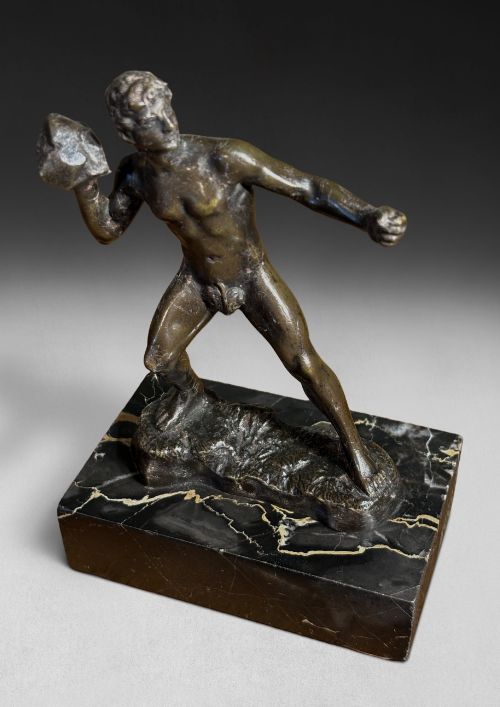
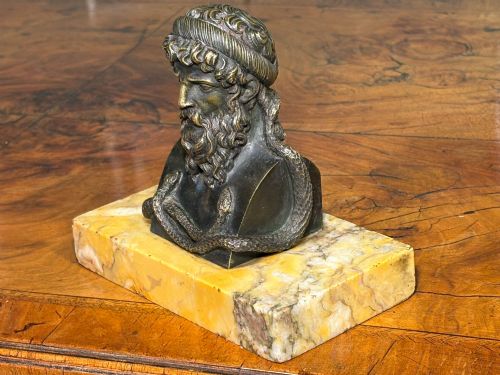
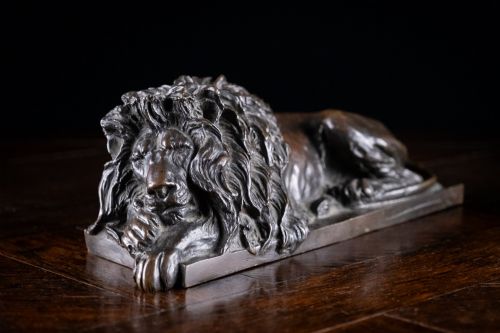
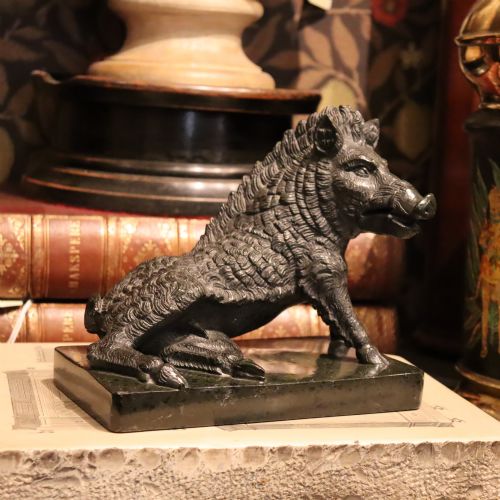
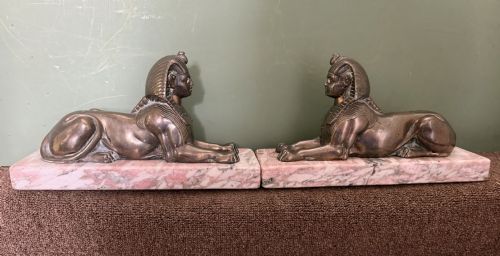
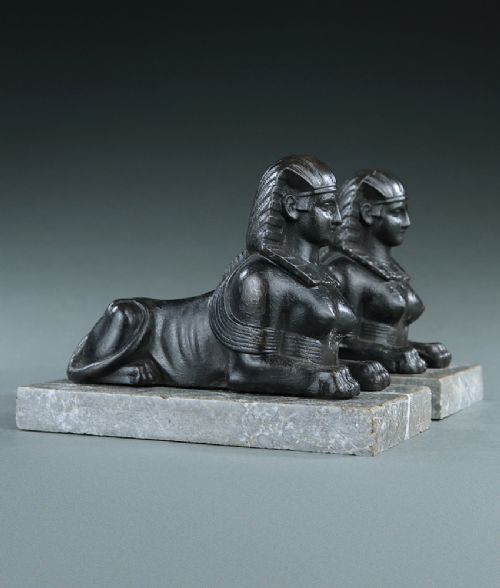
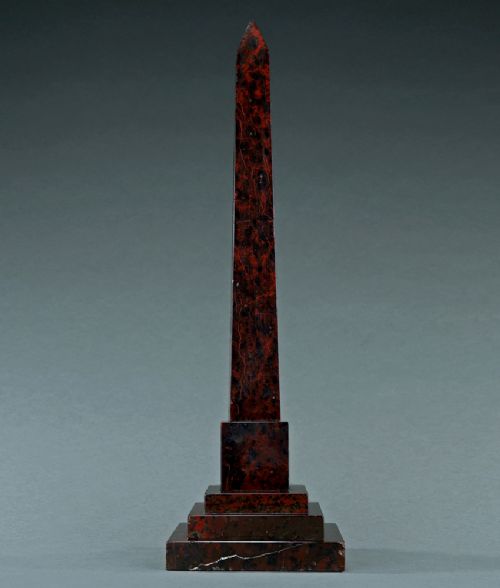
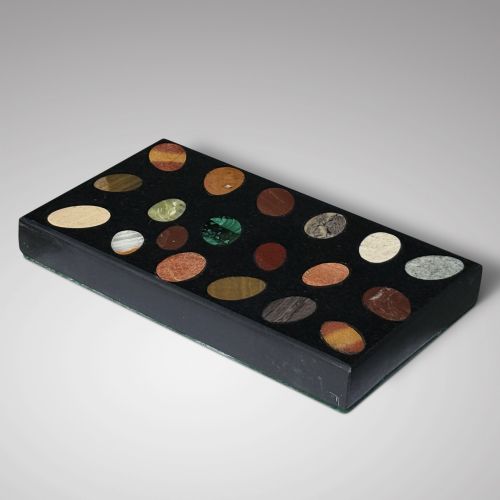
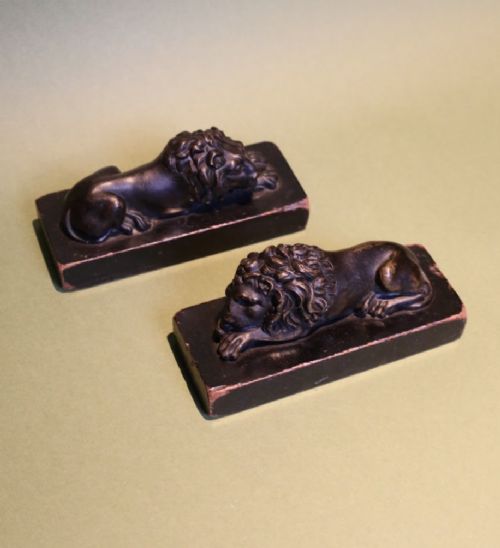
The most common examples on this page are marble bases inset with micro-mosaic panels, hardstone specimens, and cast bronze figures of lions, sphinxes and obelisks.
These items date primarily from the nineteenth century, reflecting the neoclassical taste of travellers visiting ancient sites.
How they were made
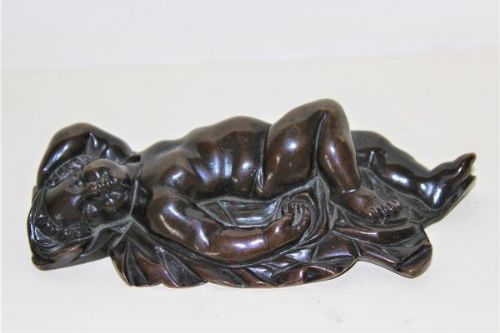
Maker workshops utilised bronze casting for miniature lions, sphinxes and architectural models, often adding patination to simulate aged metal.
Stone pieces combine black marble, serpentine, Siena marble and malachite, frequently inlaid using the pietra dura technique with coloured mineral specimens.
Micro-mosaic panels consist of thousands of tiny glass tesserae fused together to form pictorial scenes of Roman ruins and classical motifs.
Grand Tour Paperweight Retail Price Guide 2026
Typical asking prices for grand tour paperweight among the pieces listed under this phrase on Sellingantiques today, from the lower quarter to the upper quarter. They describe what is for sale here now, not the wider market.
What varies in quality
The standard of a grand tour paperweight depends upon the precision of the bronze casting and the crispness of chiselled detail on sculptural forms.
In mosaic and pietra dura examples, quality is measured by the tightness of the stone joints and the fineness of the glass tesserae used to build the image.
The choice of base materials also distinguishes better pieces, with dense veined marbles and polished hardstones commanding attention over simpler slates.
James Pradier·Susse Freres·Domenico Moglia
The Grand Tour Paperweight Glossary
- Petra Dura
- A method of inlaying cut and fitted polished coloured stones to form decorative images. This technique appears frequently on specimen marble paperweights.
- Micro-Mosaic
- An Italian art form utilising microscopic glass tesserae arranged to depict scenic views or classical subjects. These panels decorate many nineteenth-century desk objects.
- Serpentine
- A group of green silicate minerals resembling jade, polished for decorative bases and architectural models. It provides a rich dark ground for inlaid stones.
- Tesserae
- Tiny individual squares or fragments of glass used to construct mosaic pictures. Finer paperweights employ microscopic versions to achieve detailed imagery.
- Patination
- The natural or artificial ageing of a metal surface, giving bronze a darker or enriched tone. Makers applied chemical treatments to simulate ancient excavation.
Grand Tour Paperweight: Frequently Asked Questions
What is a grand tour paperweight?
These objects are portable souvenirs collected during nineteenth-century travels across Europe, typically combining classical sculpture, architectural models or Italian stone marquetry into functional desk weights.
They served both as practical tools to hold correspondence and as tangible reminders of classical antiquity and Renaissance art seen abroad.
How do I care for marble and mosaic desks?
Keep these pieces away from direct sunlight and sudden temperature shifts to protect the delicate glass tesserae and natural stone surfaces from stress.
Dust them gently with a soft dry cloth and avoid liquid cleaners that might seep into the micro-mosaic cement or unsealed stone joints.
Are these pieces actually from the nineteenth century?
The objects listed originate predominantly from the nineteenth century, coinciding with the height of European travel to classical sites in Italy and Greece.
Materials such as patinated bronze, hand-cut pietra dura and glass micro-mosaics reflect the specific manufacturing techniques of that era.
What motifs appear on these paperweights?
Common subjects include architectural landmarks like the Arc de Triomphe and obelisks, alongside classical figures such as sphinxes, lions and mythological deities.
Micro-mosaic panels frequently depict ruined temples, doves, or specific Italian scenes designed to evoke ancient Rome.