



Antique Marble Desk Decor
Antique marble desk decor brings solid weight and carved detail to a writing table, spanning nineteenth-century Grand Tour souvenirs and nineteen-thirties modernism.
Antique Marble Desk Decor
Antique marble desk decor covers desk accessories, paperweights, bookends, and small sculptures designed to sit upon a writing table or bureau. These items utilise heavy stones including black marble, jade marble, serpentine, and soapstone, often paired with metal figures or decorative bases.
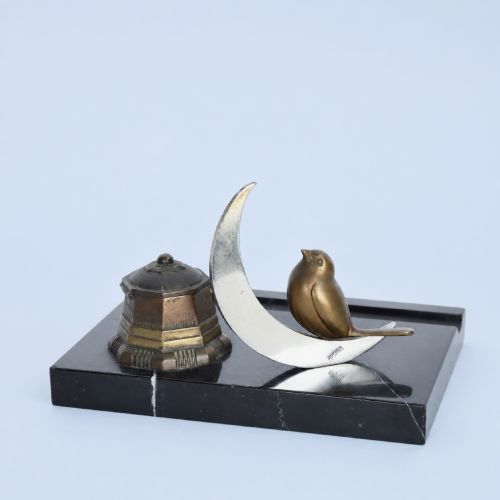
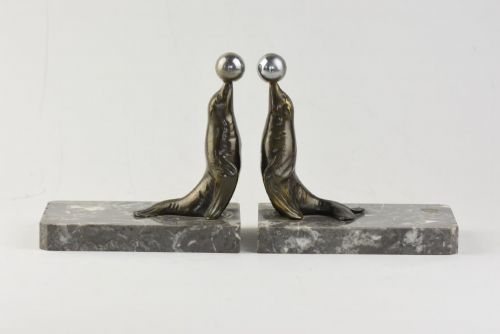
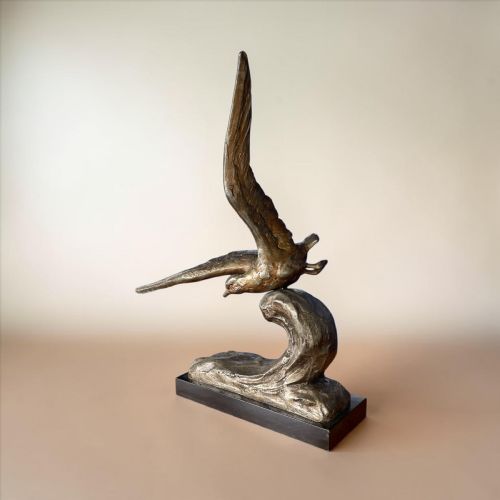
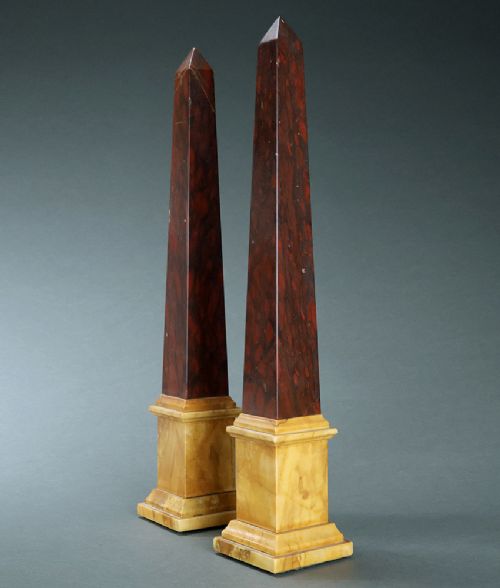
The selections available here range from nineteenth-century Victorian classical busts and Grand Tour obelisks to nineteen-thirties Art Deco bird sculptures and sealion bookends. Buyers most frequently encounter ornamental bookends and desktop paperweights created during the Victorian era and the interwar period.
Forms stretch across diverse stylistic revivals, taking in Egyptian Revival brass-mounted obelisks, Chinese carved dogs of fo, and Animalier foxes. Each object combines utility with ornamental stone carving, turning functional desktop items into sculptural focal points.
How they were made
Craftsmen shaped heavy stones such as marble, alabaster, serpentine, and soapstone by hand, polishing the surfaces to a smooth finish or carving specimen panels. Pietra dura work involved inlaying precise slices of coloured stone into a marble matrix to form floral or geometric imagery.
Metal elements including bronze, brass, chrome, and other metals were cast separately and mounted directly onto the stone bases. Animal figures, literary busts, and architectural obelisks were secured to these marble plinths using threaded pins or internal fixings.
Antique Marble Desk Decor Retail Price Guide 2026
Typical asking prices for marble desk decor among the pieces listed under this phrase on Sellingantiques today, from the lower quarter to the upper quarter. They describe what is for sale here now, not the wider market.
A solitary nineteenth-century fox sits carved in bronze, keeping quiet watch over the desk from its polished stone plinth.
What varies in quality
The standard of carving in the stone base dictates much of the visual weight, with crisply bevelled edges and finely turned columns outperforming simpler cuts. Pietra dura paperweights show distinction in the tightness of the stone joints and the variety of mineral specimens utilised.
Metal components display varying degrees of ciselure, where cast bronze or brass figures exhibit sharp feather, fur, or facial detailing rather than soft, smoothed contours. The integration between the heavy marble plinth and the mounted sculpture also marks the ambition of the piece.
Feridah Francis Forbes Taylor
The Antique Marble Desk Decor Glossary
- Grand Tour
- A traditional nineteenth-century excursion undertaken by wealthy young Europeans to study classical antiquities, bringing home architectural models and mineral specimens. These souvenirs often took the form of marble obelisks or inlaid paperweights.
- Pietra dura
- An historic technique of inlaying cut and fitted polished coloured stones into a stone background to create pictures or decorative patterns. This method appears on nineteenth-century desk paperweights.
- Animalier
- A nineteenth-century artistic style focusing on the realistic portrayal of animals, particularly predators and birds in motion. Sculptures in this style were frequently mounted upon marble desk bases.
- Obelisk
- A tall, four-sided, narrow tapering monument which ends in a pyramid-like shape at the top. On nineteenth-century and nineteen-twenties desks, these were carved from marble or mounted in brass.
- Serpentine
- A group of green silicate minerals resembling snakeskin in appearance, frequently utilised for Victorian desk accessories and paperweights. It takes a high polish and pairs well with soapstone and marble.
Antique Marble Desk Decor: Frequently Asked Questions
What is antique marble desk decor?
Antique marble desk decor comprises functional and ornamental objects carved from stone and metal for use on a writing desk. The category includes bookends, paperweights, obelisks, and small portrait busts.
These pieces date from the nineteenth century through the nineteen-thirties, reflecting periods like the Victorian era, Grand Tour travels, and Art Deco design.
How do I date antique bookends?
Dating relies upon stylistic markers, material combinations, and manufacturing techniques evident in the piece. Victorian examples often feature classical motifs, intricate stonework, or Chinese jade marble, while nineteen-thirties pieces lean towards streamlined Art Deco forms.
Materials like chrome and specific animal subjects point directly to the interwar decades, whereas Grand Tour souvenirs generally trace back to the nineteenth century.
What stones are used in these items?
Makers utilised a variety of dense stones, most notably black marble, jade marble, alabaster, serpentine, and soapstone. These materials provided the necessary weight to anchor bookends and hold down papers.
Some desk pieces incorporate inlaid specimen stones through pietra dura work, introducing colourful mineral varieties to the surface.
Were these items meant to be used?
Many pieces served a direct practical function on the desk, such as keeping books upright or holding loose papers in place as heavy paperweights. Other items, such as miniature obelisks and bronze busts, were purely decorative expressions of classical or exotic tastes.
Owners combined utility with display, placing sculpted animals, literary figures, and architectural models within arm's reach while writing.