





Antique Desk Paper Weight
An antique desk paper weight anchors loose correspondence and adds solid historical weight to a writing table.
Antique Desk Paper Weight
The antique desk paper weight category encompasses functional heavy objects designed to hold down loose papers, letters, and scrolls on a writing surface. Buyers seeking these items encounter a diverse selection of forms spanning from nineteenth-century European desk accessories to earlier Asian scholarly objects.
The most common versions met on this page include nineteenth-century brass magnifying glasses and cast iron weights alongside continental Grand Tour specimens. European examples frequently combine brass mounts with marble or glass lenses, while Asian variants draw upon traditional motifs executed in bronze, boxwood, and carved hardwood.
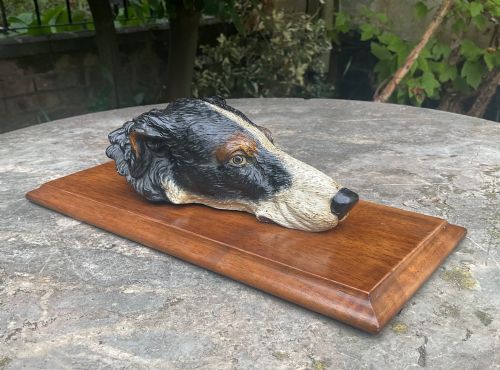
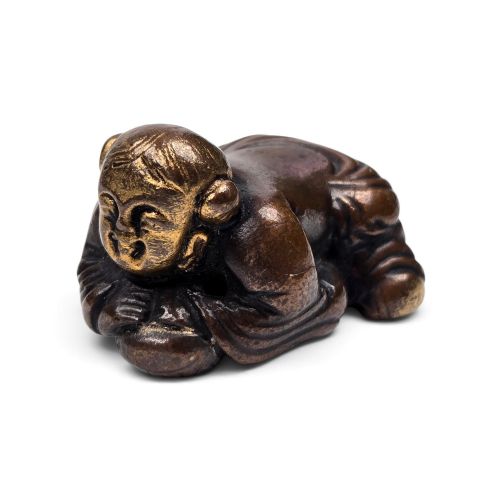
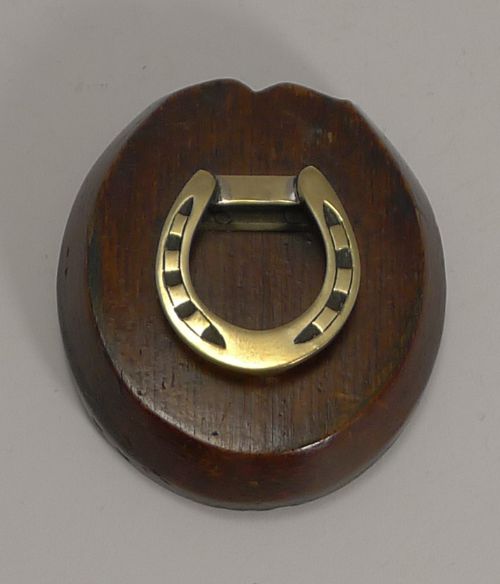
Pieces range from practical heavy brass magnifying glasses and sprung letter clips to figural bronzes and intricate mosaic panels. Each iteration reflects the specific domestic or scholarly requirements of its period, serving both a utilitarian purpose and a decorative function on the desk.
Materials and construction methods
Metalworking dominates the construction of these pieces, utilising cast brass, solid bronze, and heavy cast iron. Artisans employed casting techniques to achieve detailed figural shapes and robust letter clips, often finishing surfaces with fire-gilding or gold leaf.
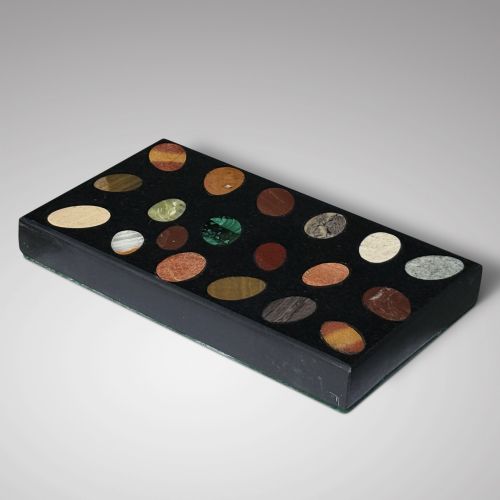
Stone and organic materials form another major group, seen in black marble inset with inlaid semi-precious stones, boxwood, and carved hardwood. Hardstone pieces rely on precision cutting and tight mosaic assembly, whereas wooden examples depend on skilled hand carving to define organic forms.
Antique Desk Paper Weight Retail Price Guide 2026
Typical asking prices for desk paper weight among the pieces listed under this phrase on Sellingantiques today, from the lower quarter to the upper quarter. They describe what is for sale here now, not the wider market.
One nineteenth-century cast iron weight immortalises Reverend Joshua Brooks, playfully noted as perfect for keeping bills in order.
Evaluating craftsmanship and detail
In stony and inlaid media, the standard depends on the tightness of the tesserae fit and the polish of the surface stone. Finely executed micro mosaics and precise pietra dura work demonstrate a high level of artisan control that elevates the piece above standard production items.
Cindo Paris
The Antique Desk Paper Weight Glossary
- Pietra dura
- An artistic technique of using cut and fitted polished coloured stones to create decorative designs. This meticulous stonemasonry frequently appears on Grand Tour desk weights.
- Grand Tour
- A cultural journey undertaken by nineteenth-century Europeans visiting continental art centres. Souvenirs from these travels included miniature architectural fragments and stone specimen weights.
- Micro mosaic
- A pictorial mosaic created with tiny coloured glass tesserae fused together to form intricate miniature images. These panels commonly depict classical ruins or doves on marble bases.
- Scroll weight
- A traditional scholar's weight used in East Asian writing to hold down paper scrolls or wrist rests while painting. They often take the form of carved animals or small bronze figures.
- Tunbridge ware
- Woodworking craftsmanship characterised by minute mosaic patterns made from many small blocks of naturally coloured wood. Items decorated this way display geometric or floral imagery.
Antique Desk Paper Weight: Frequently Asked Questions
What is an antique desk paper weight made of?
These objects utilise durable materials suited to holding down paper without slipping. Common metals include cast iron, solid bronze, and brass.
Other examples incorporate natural materials like boxwood, carved hardwood, black marble, and inlaid semi-precious stones.
How were desk paper weights used historically?
Writers and officials placed them on top of loose correspondence, bills, and documents to prevent drafts from scattering them across a room.
Certain Asian scholar's weights specifically held down paper scrolls and served as wrist rests during calligraphy and painting.
What distinguishes Grand Tour paper weights?
Grand Tour pieces reflect nineteenth-century European travel tastes and typically feature classical subjects, micro mosaics, or specimen marbles.
They bring an academic and historical aesthetic directly to the nineteenth-century writing desk.
How do I care for an antique brass desk weight?
Keep metal surfaces clean using a soft, dry cloth to remove dust and prevent moisture accumulation. Avoid harsh chemical polishes that strip away historical patinas.
For pieces containing marble or inlaid stones, wipe gently without saturating any joined seams.