

Grand Tour Carved Marble
Grand tour carved marble pieces capture classical antiquity through miniature sculptures, architectural models, and carved vessels brought home by 19th-century travellers.
Grand Tour Carved Marble
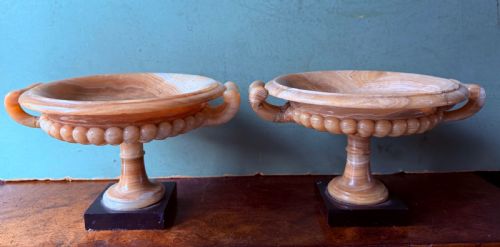
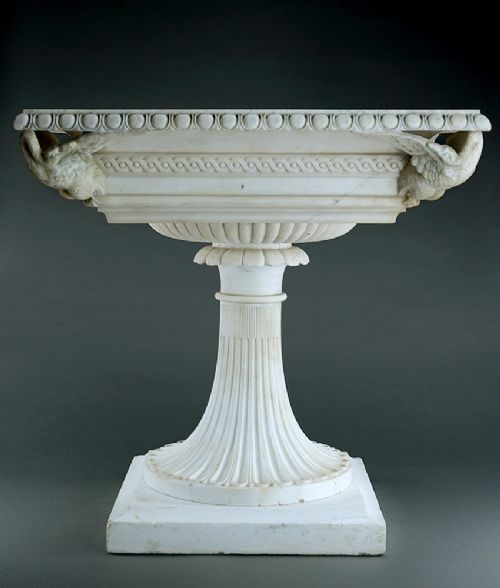
When searching for grand tour carved marble, buyers encounter miniature reductions of famous classical statues, architectural models of Roman temples, and decorative vessels such as tazzas and urns. These objects served as sophisticated souvenirs for travellers undertaking the educational grand tour of Europe during the eighteenth and nineteenth centuries.
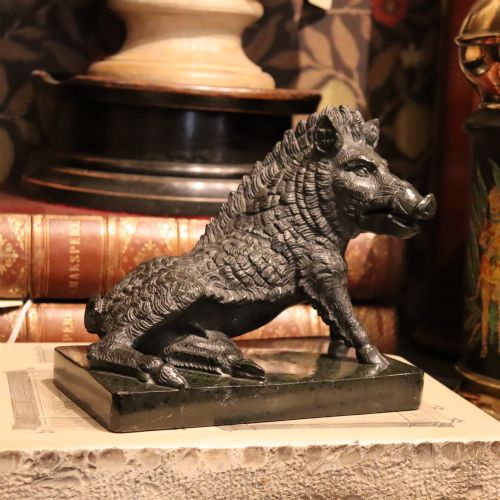
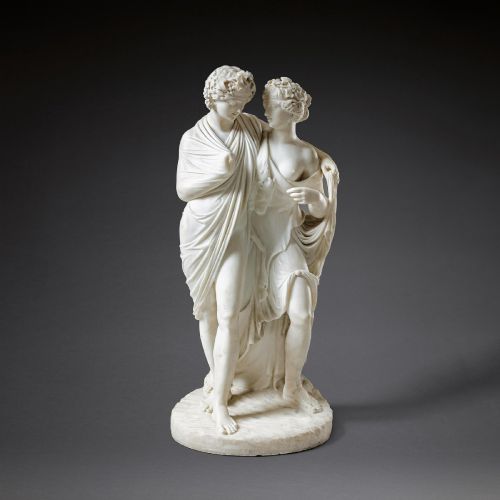
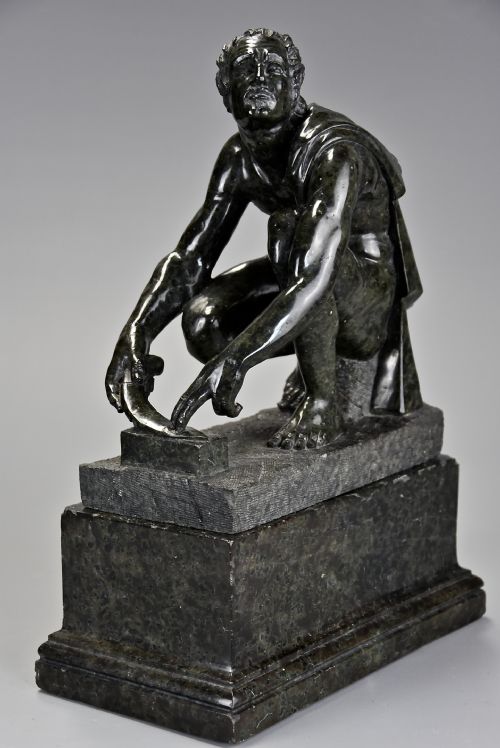
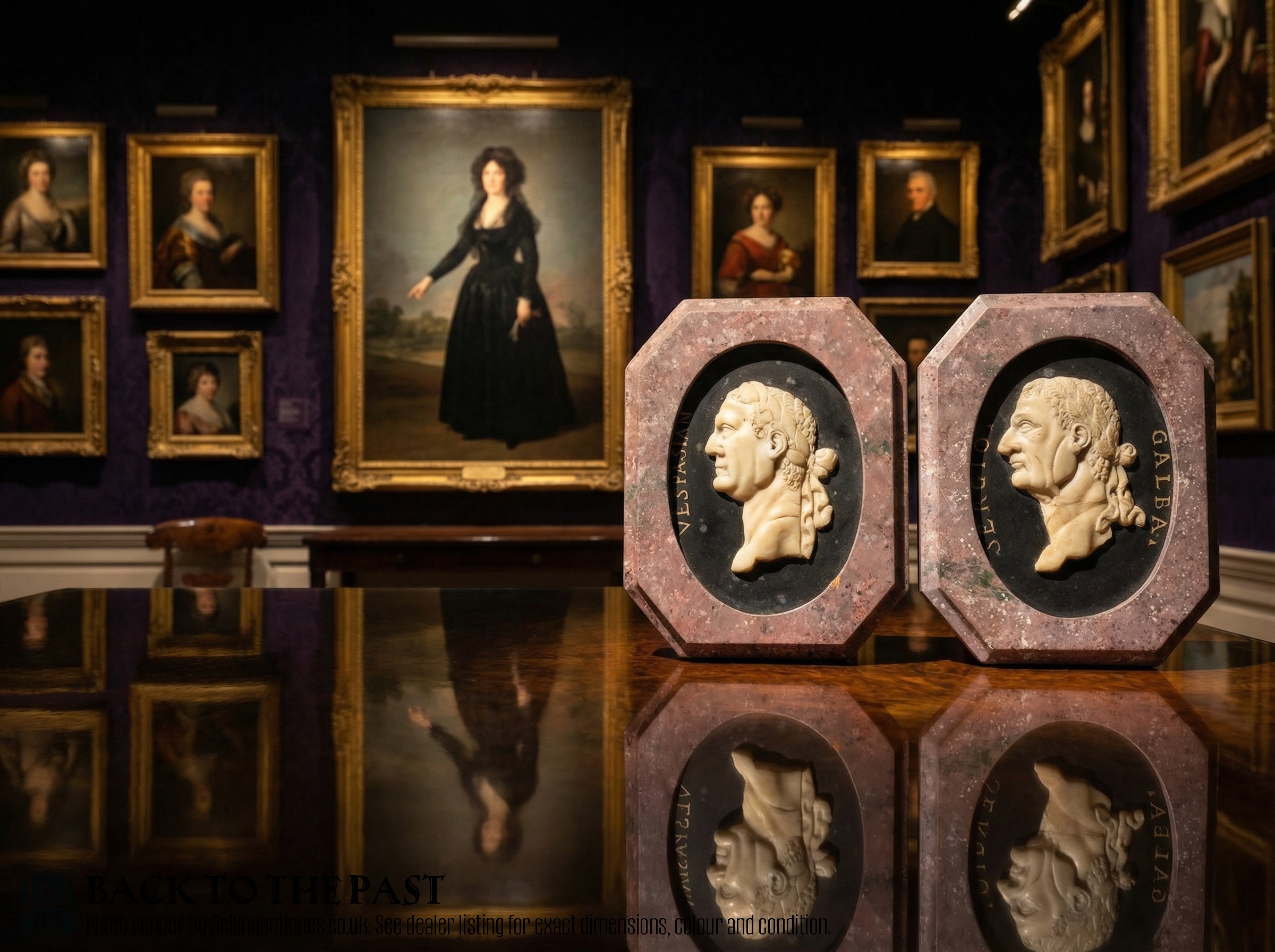
The pieces on this page span several distinct forms, from sculptural figures like the Florentine boar and the dying gaul to functional inkstands and profile plaques. Many items replicate renowned antiquities housed in Italian galleries, translated into manageable scales for display in nineteenth-century drawing rooms and libraries.
How They Were Made
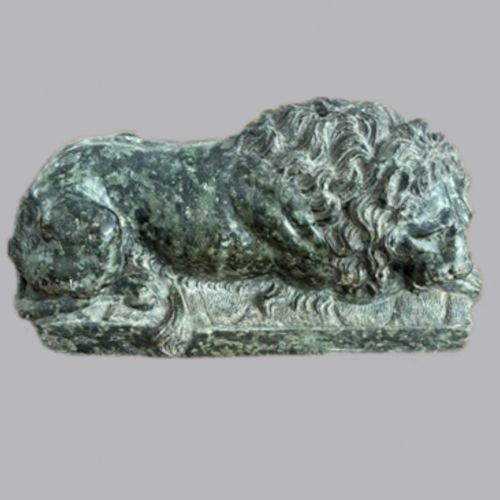
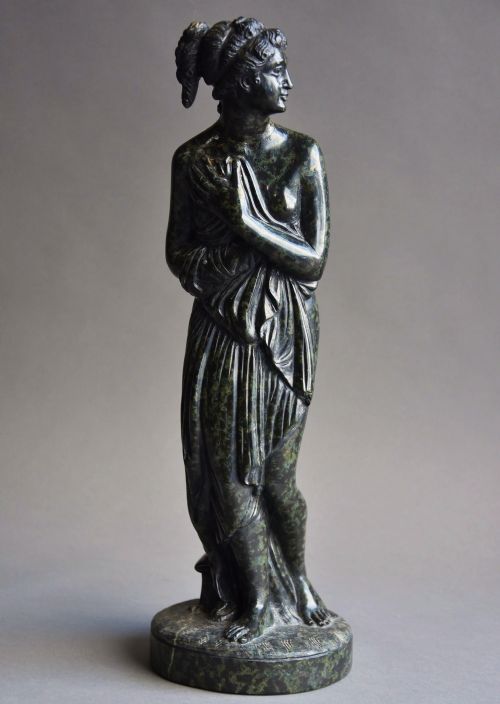
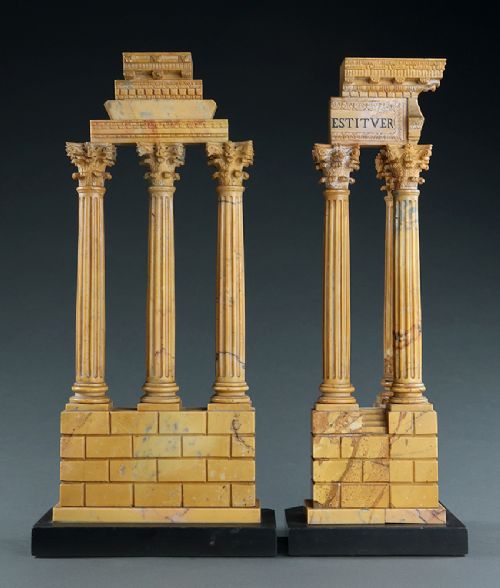
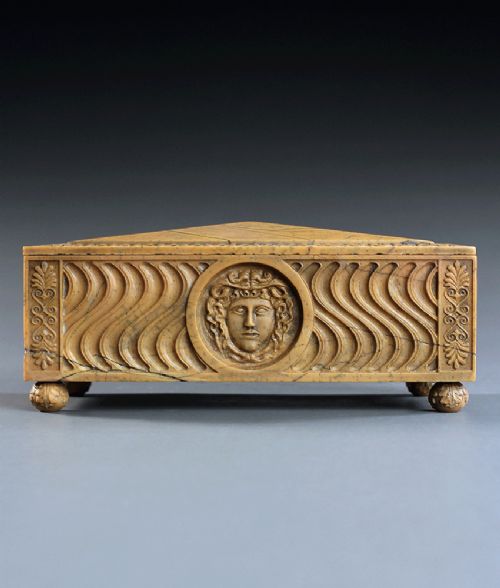
Italian workshops employed skilled carvers who utilised various stones, including white Carrara statuary marble, veined serpentine, green verdo prato, and yellow giallo antico, to achieve specific chromatic effects. These materials were laboriously hand-chiselled and polished to emulate the ancient marbles prized by classical sculptors.
Assembly often involved mounting smaller carved elements, such as lava cameo profiles or brass fittings, onto contrasting black marble block bases. Larger architectural models and sarcophagi required precise geometric cutting of coloured specimen marbles to replicate ancient masonry.
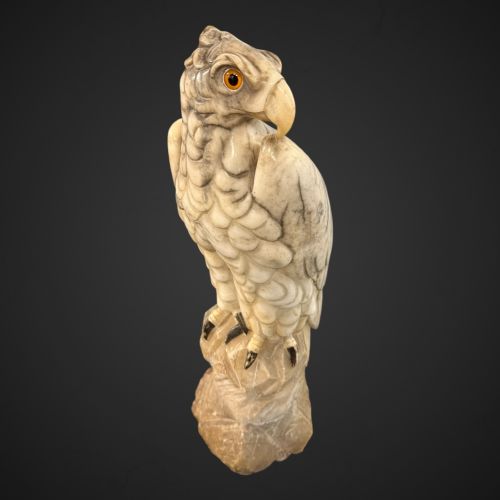
Listings feature numerous animal figures, including lions, boars, and dogs, carved from serpentine and Carrara marble.
What Varies In Quality
The distinction between ordinary souvenirs and masterworks lies in the fidelity of the carving to the antique original and the anatomical precision of the figures. Superior pieces capture the subtle musculature and fluid drapery of classical prototypes rather than relying on stiff, mechanical reproduction.
Carlo Albacini·Benedetto Boschetti·R Mattei·Darmanin
The Grand Tour Carved Marble Glossary
- Carrara Marble
- A type of white or blue-grey marble quarried in the city of Carrara in Tuscany, widely used for neoclassical sculpture and architectural elements. It provides a smooth, uniform surface that holds fine detail.
- Serpentine Marble
- A green, mottled stone resembling serpent skin, frequently utilised by Italian artisans for grand tour animal figures and architectural models. Its distinctive coloration mimics ancient decorative stones.
- Tazza
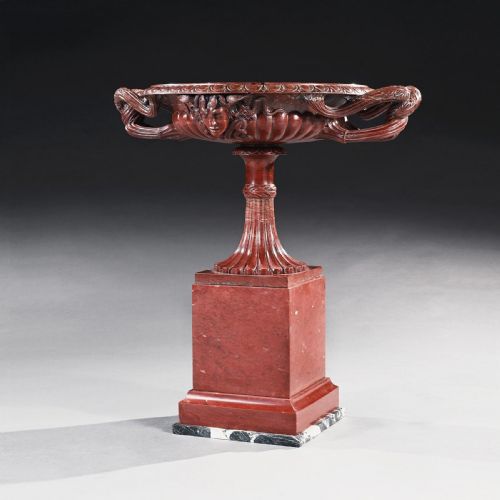
- A shallow saucer-shaped ornamental vessel raised on a stem and foot, commonly carved from coloured marbles or alabaster during the nineteenth century. These pieces often served as decorative table ornaments.
- Obelisk
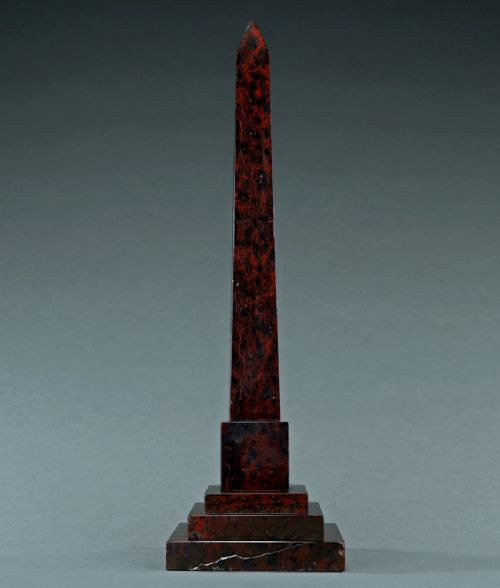
- A tall, four-sided, narrow tapering monument which ends in a pyramid-like shape at the top. In grand tour collections, these were frequently rendered in red serpentine or Egyptian onyx.
- Labrum
- An ancient Roman large basin or shallow bowl used in baths or as a decorative garden ornament. Nineteenth-century reductions capture this classical vessel form in solid marble.
Grand Tour Carved Marble: Frequently Asked Questions
What is a grand tour marble?
Grand tour marbles are carved stone sculptures and decorative objects produced in Italy during the eighteenth and nineteenth centuries for foreign travellers. They served as physical reminders of classical art and architecture encountered during educational journeys across Europe.
These pieces replicate famous antiquities, archaeological finds, and Renaissance masterpieces on a smaller scale. Travellers displayed them in domestic libraries and cabinets to demonstrate their cultural education and refined taste.
How do I identify grand tour marble periods?
Identifying the period relies on examining the stone selection, carving depth, and the specific antique sculptures being referenced. Nineteenth-century examples often utilise coloured Italian marbles such as serpentine, giallo antico, and Carrara.
Tool marks and the presence of associated mounting materials, like brass or slate bases, help contextualise the manufacture date. Signed works or those bearing attribution to known Italian workshops offer clearer chronological markers.
Where were grand tour marbles displayed?
Historically, these carved marbles were housed in the principal reception rooms, libraries, and studies of grand houses across Britain and Europe. They functioned as focal points for intellectual conversation among educated visitors.
In modern interiors, collectors place them on mantelpieces, desks, and dedicated display tables where their tactile surfaces and classical forms can be closely appreciated. Their compact scale allows them to integrate easily into various decorative schemes.
What are the common subjects of these marbles?
Common subjects include famous classical statues like the dying gaul, the Uffizi boar, and various depictions of lions, gods, and emperors. Architectural models of Roman temples, obelisks, and sarcophagi also appear frequently in collections.
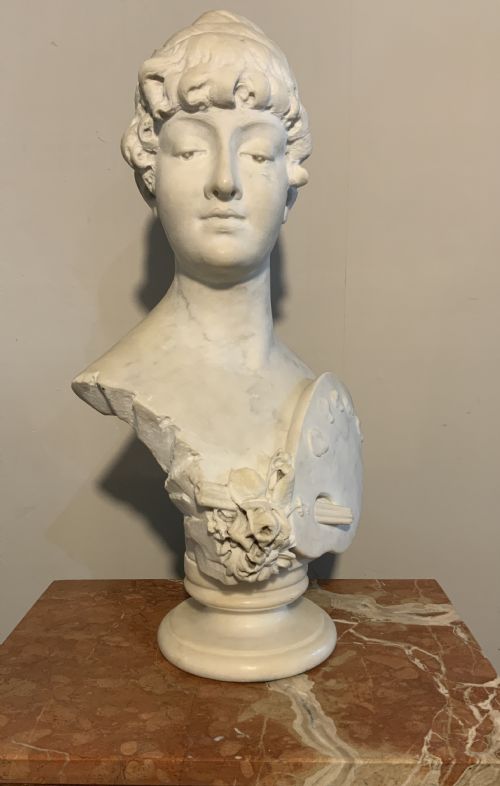
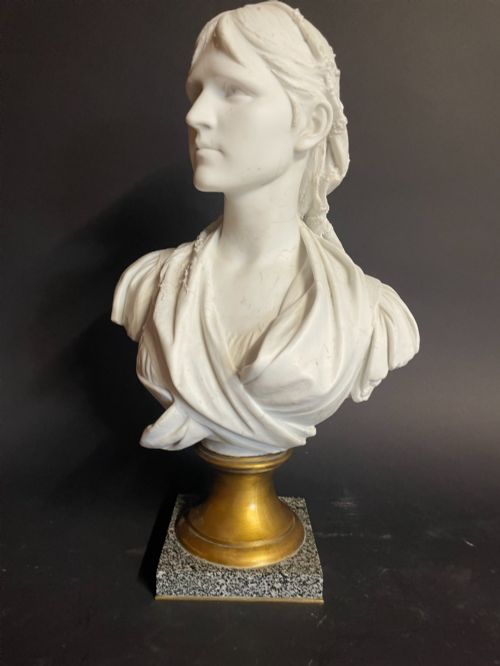
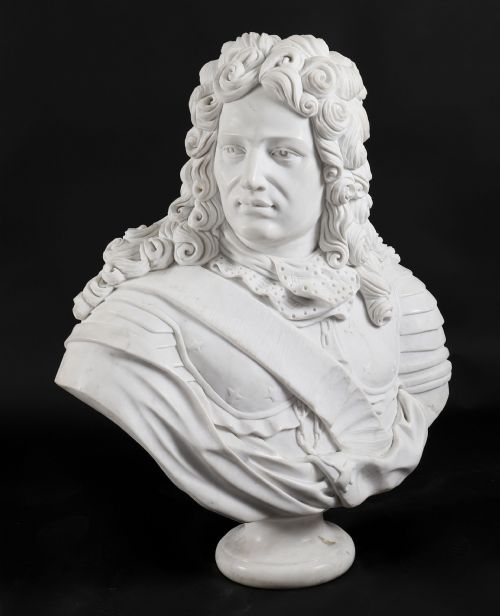
Artists frequently copied works by master sculptors such as Antonio Canova and Michelangelo. Portrait busts of historical figures, philosophers, and mythological subjects represent another major category of these souvenirs.