
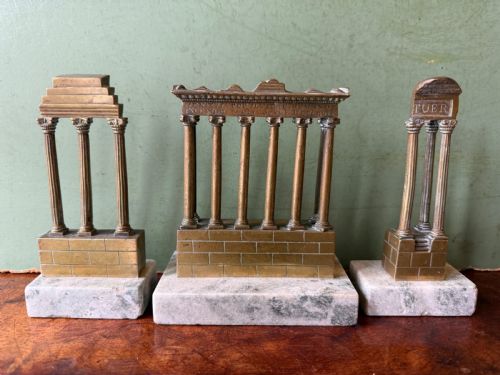


Grand Tour Architectural Souvenir
These grand tour architectural souvenir pieces capture classical antiquity in bronze, marble and watercolour, bringing the heritage of European travel home.
Grand Tour Architectural Souvenir
A grand tour architectural souvenir represents the tangible memories collected by travellers exploring the ancient monuments and classical ruins of Europe during the eighteenth and nineteenth centuries. These portable representations allow collectors to own miniature tributes to famous structures like Roman temples and triumphal columns.
Visitors on these extended educational journeys commissioned or bought small-scale models, paintings, and panels to document their travels across Italy and France. The pieces span periods from the eighteenth century to the early twentieth century, reflecting a sustained fascination with neoclassical aesthetics.
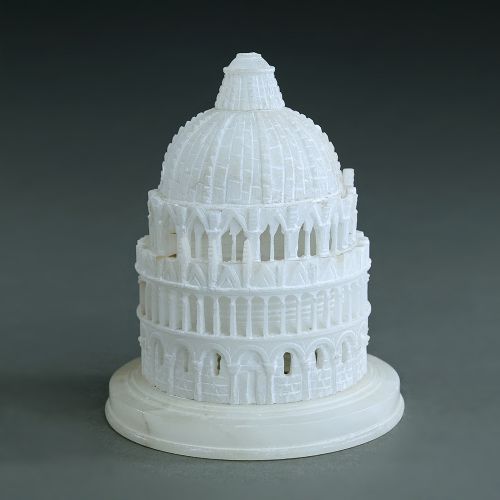
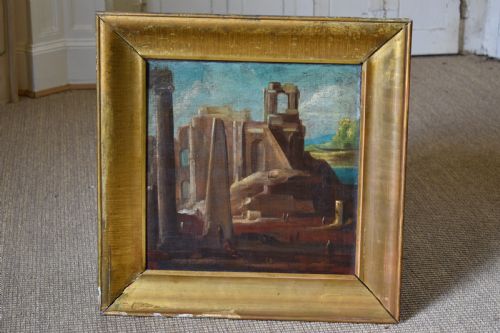
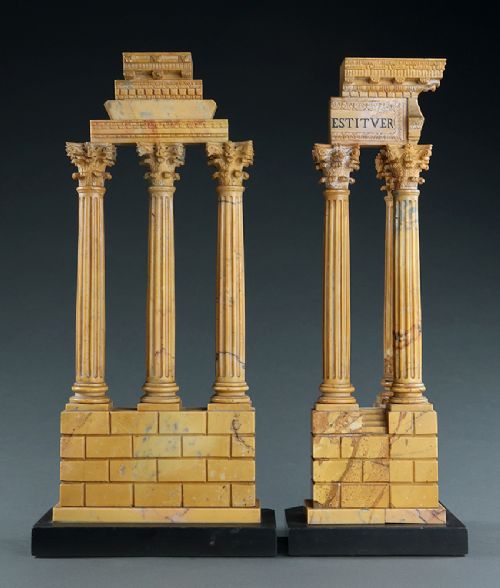
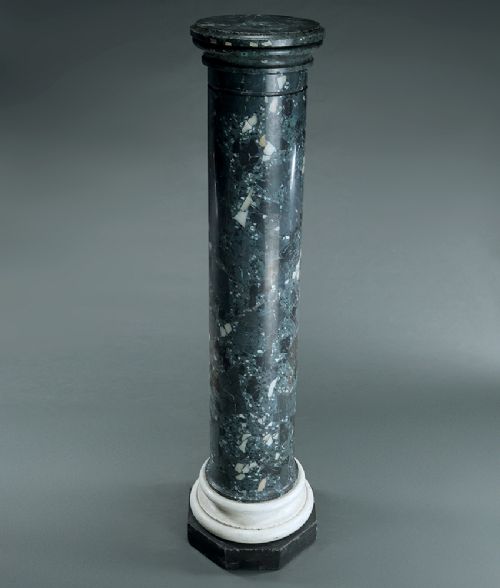
On this page, buyers will most frequently encounter nineteenth-century interpretations rendered in stone or metal. These objects range from detailed bronze miniature temple ruins to polished specimen marble columns and delicate watercolours of classical sites.
What varies in quality
The fineness of detail in the carving and casting distinguishes exceptional examples from simpler works. Superior marble pieces display precise geometric proportions and clean turning on columns, whilst finer bronzes exhibit sharp definition in sculptural reliefs and architectural capitals.
The selection of raw material plays a significant role in determining the character of a piece. High-quality items utilise richly figured specimen marbles or smoothly patinated bronze, whereas lesser versions rely on simpler stone or basic finishing.
Listings feature items spanning the eighteenth, nineteenth, and early twentieth centuries, constructed from marble, bronze, alabaster, paper, and wood.
The Grand Tour Architectural Souvenir Glossary
- Scagliola
- A composite material made from selenite, glue, and pigments, mimicking the appearance of natural marbles and inlaid stones. Artisans apply and polish this mixture to create decorative panels and architectural elements.
- Obelisk
- A tall, four-sided, narrow tapering monument which terminates in a pyramid-like shape at the top. These forms were frequently reproduced as decorative specimen stone souvenirs.
- Watercolour
- A painting method in which the paints are made of pigments suspended in a water-based solution. Artists used this medium on paper to record specific Italian ruins and streetscapes.
Grand Tour Architectural Souvenir: Frequently Asked Questions
How were these souvenirs used?
Travellers displayed these miniature models and paintings in studies, libraries, and drawing rooms to signal their cultural education and travel experiences. They functioned as tangible reminders of classical antiquity.
Today, they serve a similar decorative purpose in interiors, bringing historical depth and sculptural form to tabletop displays and mantlepieces.
Are these pieces made of real marble?
Many examples are carved from genuine stones, including alabaster, Siena marble, and Verde Antico. Some items also incorporate scagliola, which is a composite material designed to replicate natural stone.
Examining the weight, surface temperature, and veining patterns helps identify the specific mineral composition of each individual object.
How do I date a grand tour souvenir?
Dating relies on stylistic markers, material analysis, and documentation associated with the manufacturing techniques of the eighteenth and nineteenth centuries. Bronze castings and marble turning often reflect the prevailing neoclassical tastes of specific decades.
Comparing the object's specific architectural subject to known travel itineraries and period artistic records helps narrow down its production era.