


Antique Grand Tour
An antique grand tour piece brings the classical monuments and mythology of Italy into a nineteenth-century study or drawing room.
Antique Grand Tour
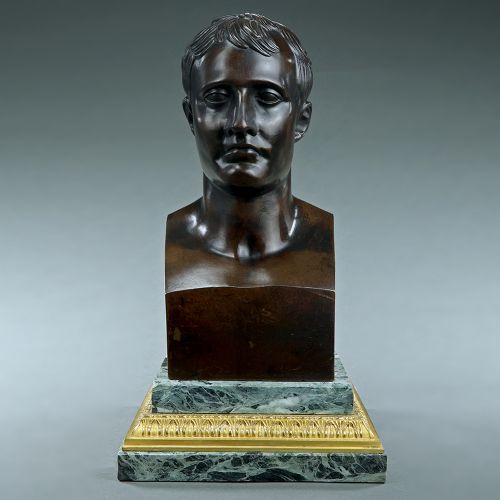
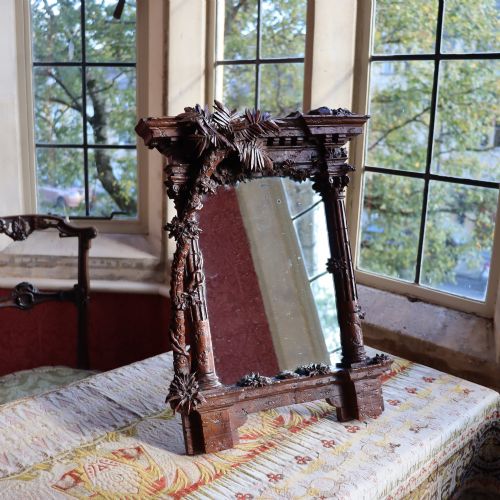
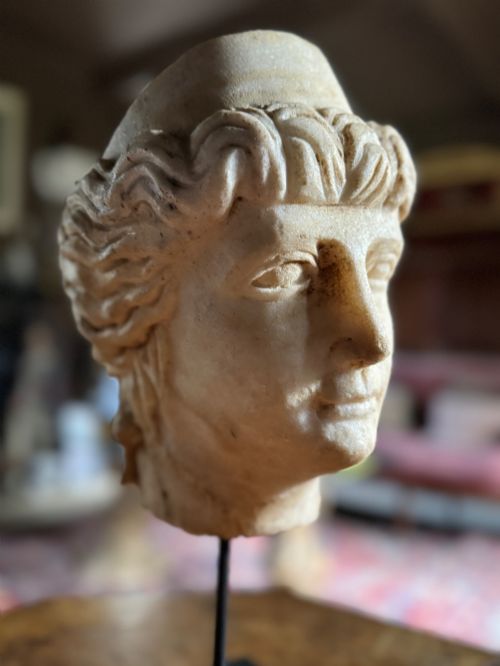
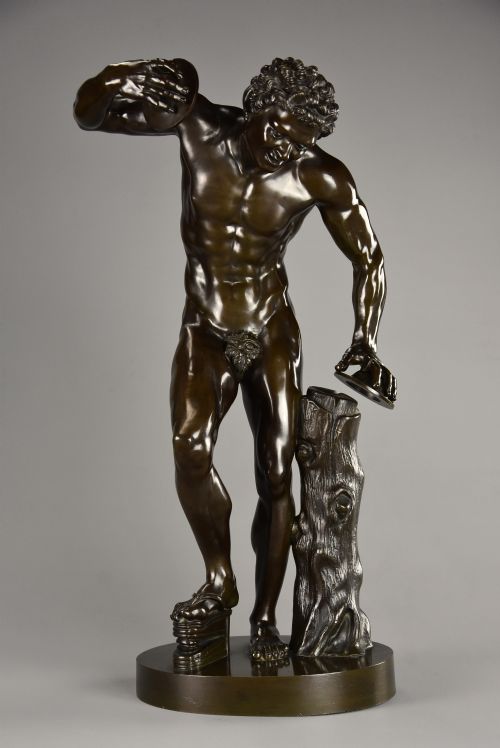
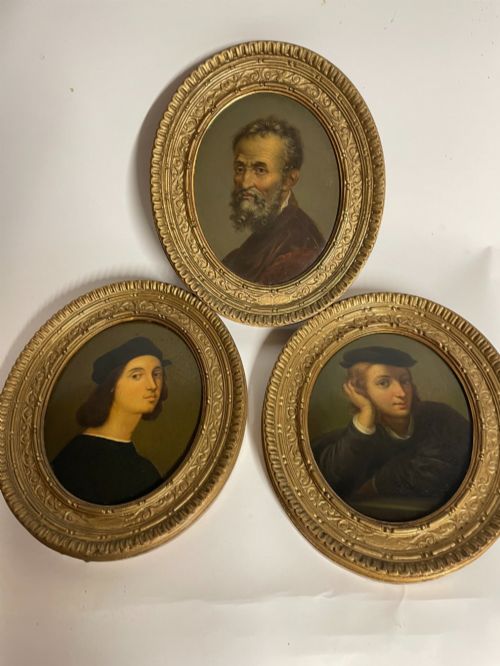
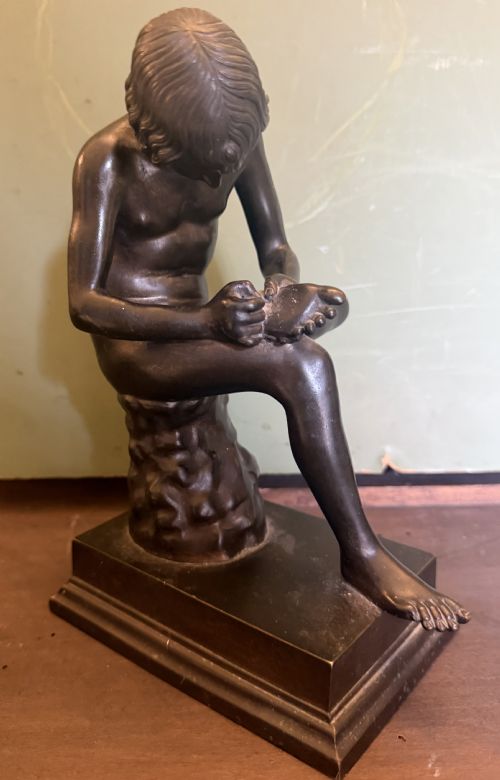
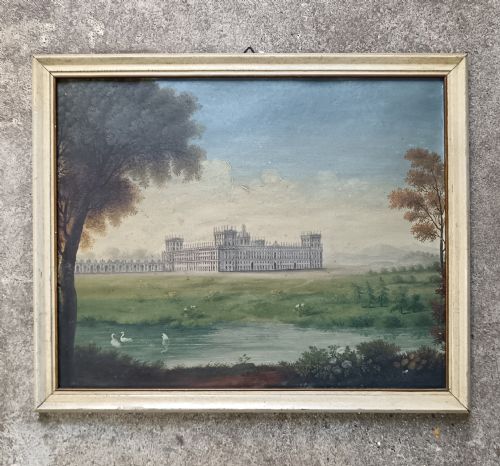
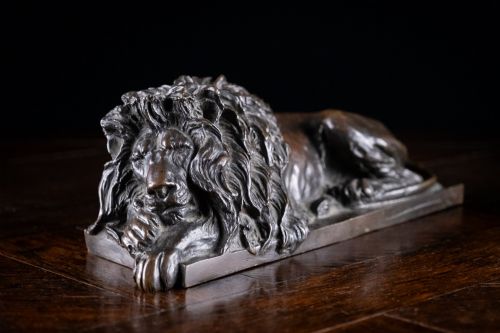
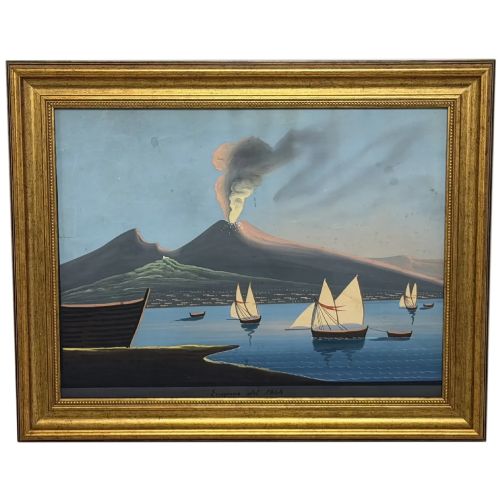
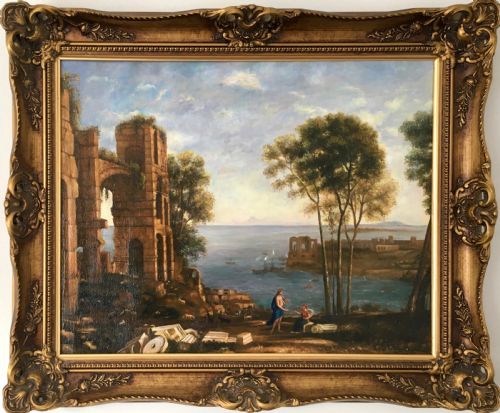
When you search for an antique grand tour object, you encounter physical souvenirs brought back by travellers undertaking cultural expeditions through Europe during the nineteenth century. These objects represent classical antiquity, taking the form of miniature bronze sculptures after famous statues, architectural models, and framed watercolours of Italian scenes. The versions most commonly met on this page date from the nineteenth century, including specific years from the eighteen-eighties and eighteen-nineties, alongside Victorian interpretations.
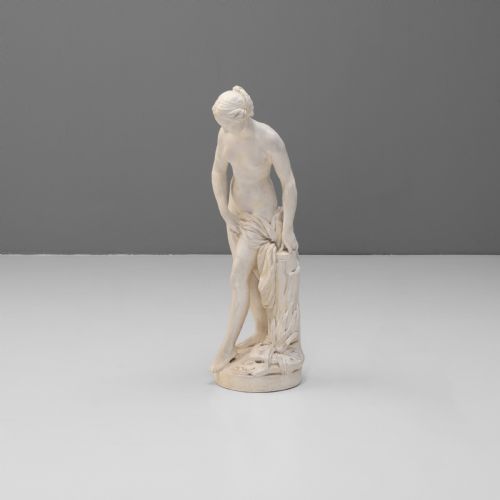
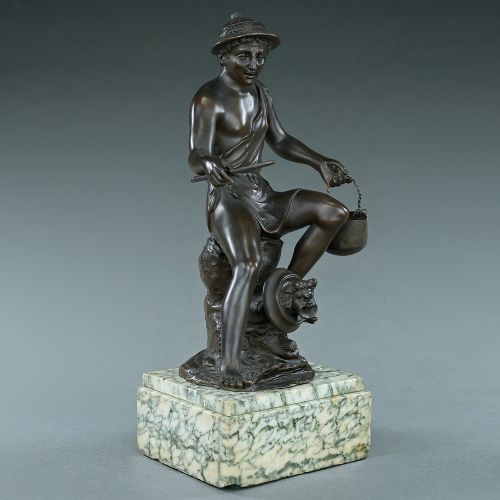
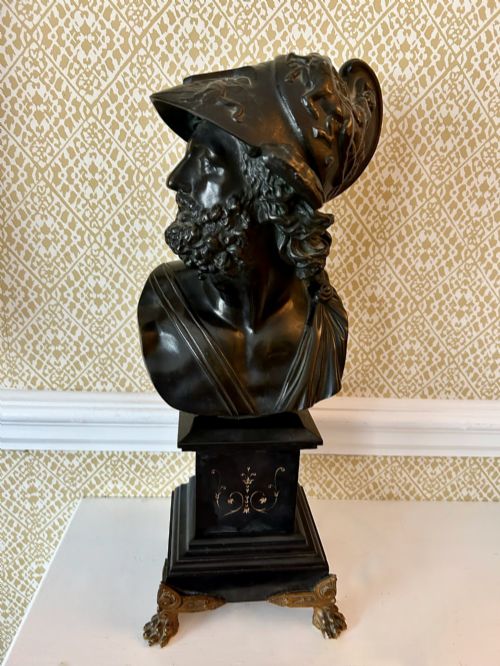
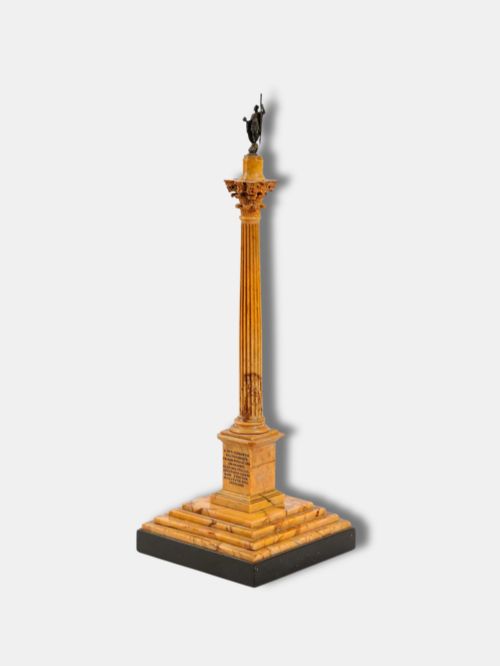
The range of forms spans decorative objects, inkwells, and paintings, reflecting the diverse tastes of travellers collecting abroad. Sculptures depict mythological figures such as Dionysus and Ajax alongside historical emperors like Marcus Aurelius, modelled directly from celebrated antiquities. Architectural models replicate prominent Italian structures like the Baptistery of St. John, while smaller wearable items include micromosaic jewellery and cameo intaglios.
Materials and construction methods
Makers utilised patinated bronze and various types of marble, including Siena, Carrara, and Rosso Antico, to emulate the ancient monuments encountered by travellers. Bronzes were cast and finished with careful patination to suggest age, while marble models relied on precise hand-carving to replicate architectural details and sculptural drapery.
Paper and wood also appear frequently, utilised in watercolours, etchings, and Sorrento marquetry boxes decorated with regional imagery. Micro-mosaics employed microscopic glass tesserae assembled into intricate floral or pictorial plaques, mounted in gold pendants and bracelets.
Antique Grand Tour Retail Price Guide 2026
Typical asking prices for grand tour among the pieces listed under this phrase on Sellingantiques today, from the lower quarter to the upper quarter. They describe what is for sale here now, not the wider market.
Listings feature nineteenth-century periods, including Victorian examples alongside specific years from the eighteen-eighties and eighteen-nineties.
Distinctions in quality
In marble and stone specimens, excellence appears in the selection of veined marbles and the precision of architectural proportion. The fineness of the hand-carving in ivory plaques or micro-mosaic tesserae similarly separates workshop production from master execution.
Jacob Philipp Hackert·Louis Garnier·Barbedienne·Ferdinand Barbedienne·Carlo Albacini·Benedetto Boschetti
The Antique Grand Tour Glossary
- Patinated bronze
- Bronze treated with chemical solutions to produce a specific surface colour, ranging from deep brown to greenish tones. This finish protects the metal and mimics the appearance of excavated antiquities.
- Specimen marble
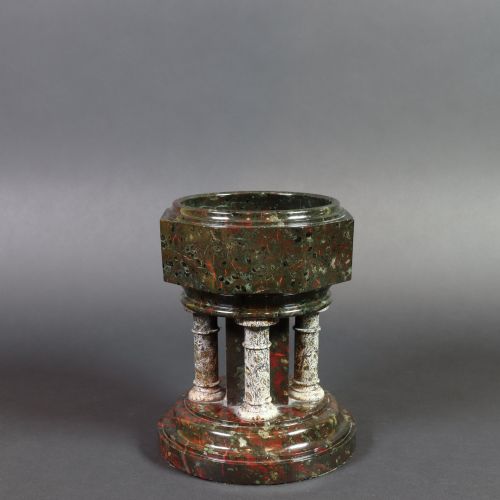
- Marble selected for its distinctive natural colour and veining, utilised to construct architectural models and chessboard tops. Different Italian quarries supplied materials such as yellow Siena and red Rosso Antico.
- Micro-mosaic
- A technique utilising tiny glass tesserae fused together to create detailed miniature pictures of Italian landmarks. These delicate panels were frequently set into jewellery and small boxes.
- Intaglio
- A gem or stone carved with a depressed design so that an impression can be raised in wax. Classical subjects were popular amongst nineteenth-century travellers.
- Tazza
- A shallow ornamental cup or plate mounted on a stem and foot, commonly cast in bronze or carved from solid marble. These decorative objects served as centrepieces on libraries and desks.
Antique Grand Tour: Frequently Asked Questions
What is an antique grand tour object?
These items are nineteenth-century souvenirs collected by travellers journeying through cultural centres in Italy and Greece. They served as tangible reminders of classical antiquity and Renaissance art.
Collectors encounter miniature bronzes of famous statues, architectural models in marble, and topographical watercolours documenting the sights of the Mediterranean.
How were these pieces used historically?
Travellers displayed these sculptures, marble models, and paintings in their homes to signal their education, refined taste, and worldly experience.
Functional items like bronze inkwells and specimen marble tazzas were placed on library desks, while smaller items such as micromosaic pendants were worn as personal ornaments.
How do I care for marble and bronze?
Bronze pieces require only gentle dusting with a soft, dry cloth to prevent the accumulation of grime that can dull the patinated surface.
Marble objects should be kept away from direct heat and moisture, using a dry microfiber cloth for cleaning without chemical polishes.
How are periods identified?
Dating relies upon stylistic markers, casting techniques, and material choices characteristic of the nineteenth century and the Victorian era.
Signatures, foundry marks, and period specific documentation such as dated watercolours further narrow the production era.