
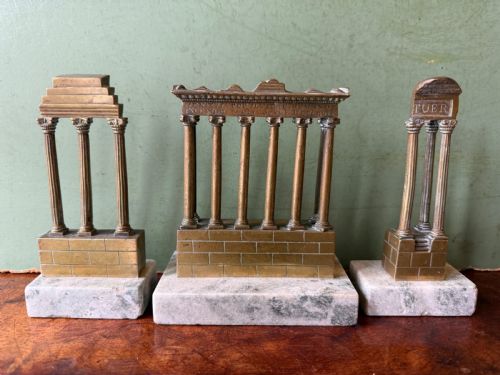


Antique Architectural Model
An antique architectural model is a tangible fragment of design history, offering collectors miniature buildings, ruins, and monuments built to scale.
Antique Architectural Model
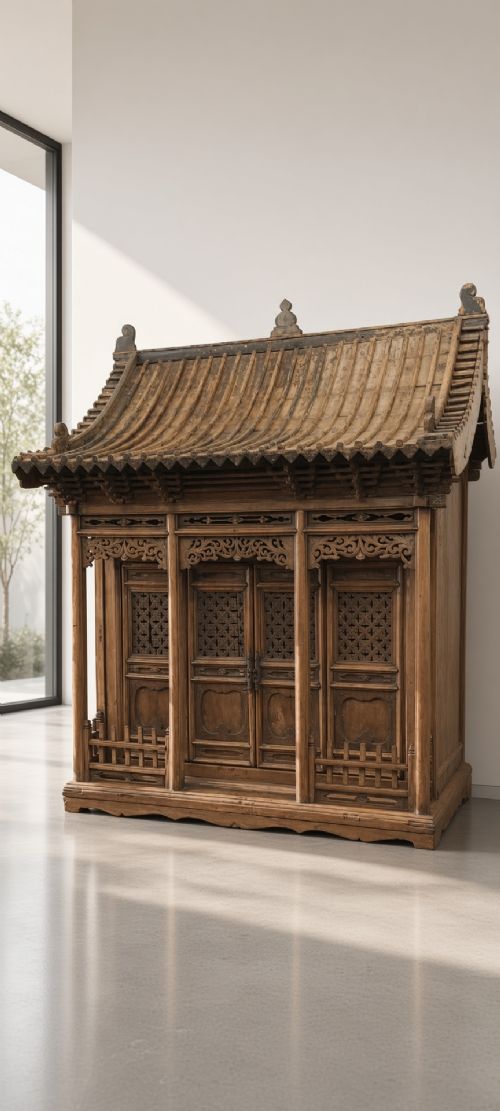
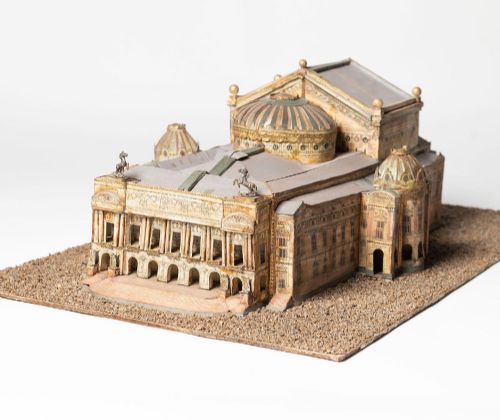
When you search for an antique architectural model, you are looking at scaled representations of buildings, monuments, and classical ruins spanning the eighteenth to the twentieth centuries. These pieces encompass diverse global traditions, ranging from European Grand Tour souvenirs to Chinese shrines and English folk art creations.
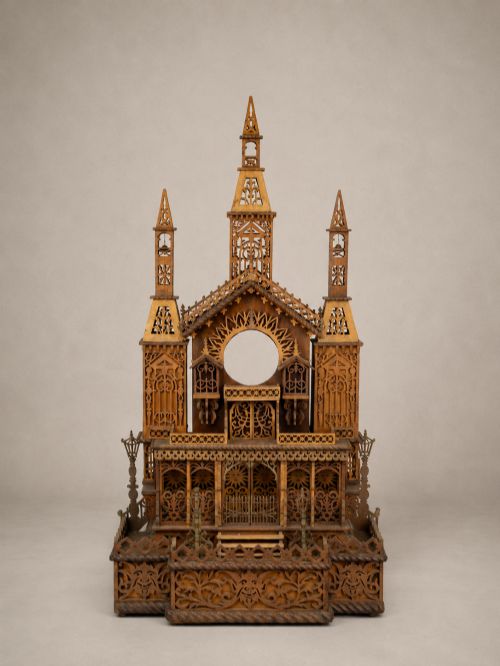
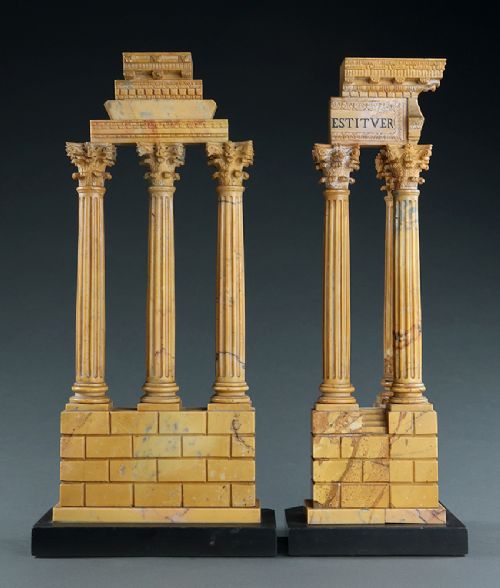
The most common versions met on this page are nineteenth-century Grand Tour bronzes and marbles depicting Roman temples and columns, alongside vernacular wooden structures and detailed church models. Object types extend from specific building facades to clock cases and decorative models constructed by anonymous makers and distinct workshops.
Originating across periods from the eighteenth to the early twentieth century, these objects reflect both professional architectural planning and amateur folk art traditions. Materials vary widely, providing a rich tactile experience that captures the ambition of full-scale architecture in miniature.
Materials and construction
Makers utilised a diverse palette of hard materials, casting metals such as bronze and carving dense stones like Siena marble and specimen marble to replicate monumental structures. Timber varieties including pine, mahogany, and oak form the structural core of many domestic models, clock cases, and fretwork constructions.
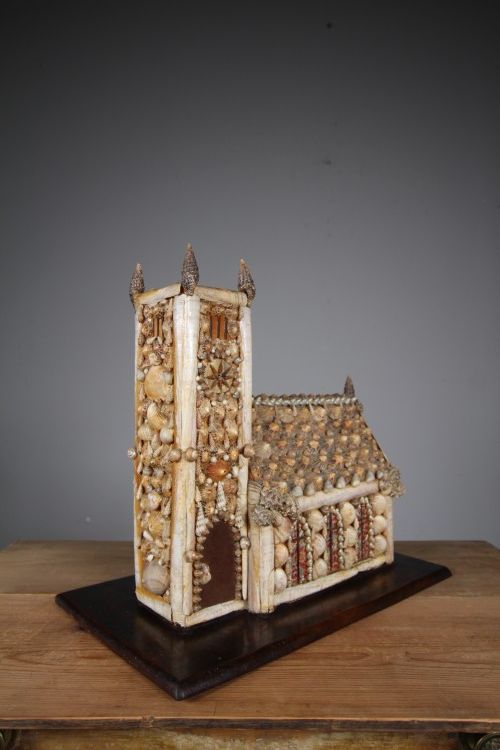
Intricate surface detailing was achieved through specialised techniques, combining painted elements, glass inserts, and paper components to simulate architectural textures. Vernacular pieces showcase resourceful craftsmanship, incorporating unconventional mediums such as cork work, matchsticks, slate, and shell work.
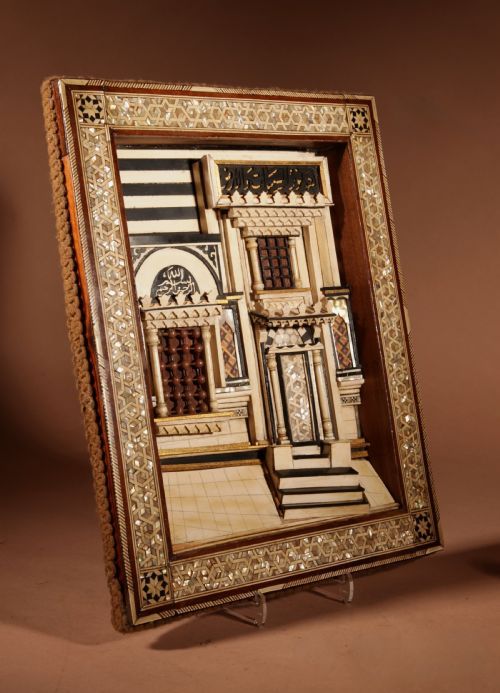
Foundry casting brought precision to Grand Tour souvenirs of columns and triumphal arches, while joinery and carving defined wooden architectural alcoves and shrines. Each medium dictated the scale and fidelity of the resulting model, preserving historical building techniques.
Listings feature periods spanning the eighteenth, nineteenth, and twentieth centuries, alongside materials such as bronze, marble, pine, and mahogany.
Distinctions in quality
Quality rests upon the fidelity of architectural proportion and the precision with which fine details are rendered across the chosen medium. The handling of bronze casting, stone carving, or timber joinery determines whether a piece captures the structural authority of the original monument.
Provenance and material purity elevate certain examples, particularly where genuine Grand Tour marbles or high-grade bronzes have been selected by the maker. The complexity of the subject matter, from a simple column to a multi-tiered pagoda or intricate church facade, also influences the standard of execution.
Folk art and vernacular examples derive their merit from inventive use of materials like cork, matchsticks, or pine, where naive charm balances against structural ambition. The clarity of the maker's vision and the integrity of the surviving materials separate masterworks from simpler curiosities.
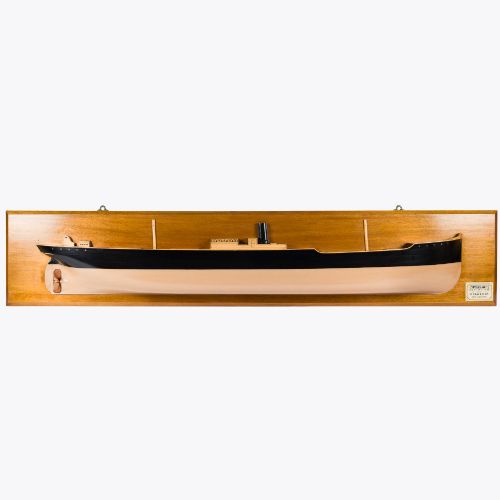
W Grey And Co·Liverpool Ship Building Co
The Antique Architectural Model Glossary
- Grand Tour
- A cultural journey undertaken by wealthy young Europeans in the eighteenth and nineteenth centuries, collecting souvenirs such as bronze temple models and marble obelisks.
- Specimen marble
- Multi-coloured decorative stone used by Italian craftsmen to assemble miniature architectural ruins and obelisks with varied geological patterns.
- Fretwork
- Ornamental perforated woodwork created by cutting intricate patterns into panels, frequently seen on clock cases and architectural housings.
- Folk art
- Self-taught artistic production reflecting regional traditions, encompassing matchstick houses, shell work churches, and vernacular wooden models.
- Half hull model
- A three-dimensional representation of a ship's one side used historically for naval architecture and hull design evaluation.
Antique Architectural Model: Frequently Asked Questions
What is an architectural model?
An architectural model is a three-dimensional representation of a building, structure, or ruin created for display, design study, or as a souvenir.
These pieces capture the grandeur of full-scale architecture in miniature, utilising materials ranging from bronze and marble to wood and cork.
How were Grand Tour models used?
Grand Tour models served as prestigious souvenirs brought back by travellers visiting classical sites in Italy during the eighteenth and nineteenth centuries.
Displayed in homes, they demonstrated the owner's education, taste, and engagement with classical antiquity and European art history.
What materials are common in these models?
The evidence shows a wide array of materials including cast bronze, carved marble, pine, mahogany, oak, paper, paint, and glass.
Vernacular makers also employed unconventional substances such as slate, cork, shells, and matchsticks to achieve detailed textures.
How do I date an architectural model?
Dating relies on stylistic evidence, material analysis, and historical context linking the piece to periods such as the nineteenth century or the Georgian era.
Specific architectural influences, like Neoclassical, Gothic Revival, or Qing Dynasty, provide further clues to the period of creation.