


Gothic Style Hall Chair
A gothic style hall chair brings architectural presence and heavy timber character straight into a modern interior.
Gothic Style Hall Chair
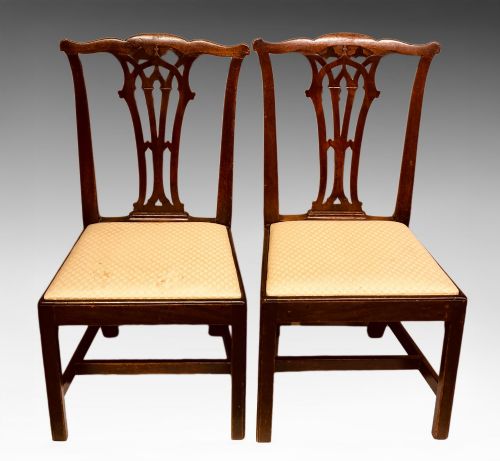
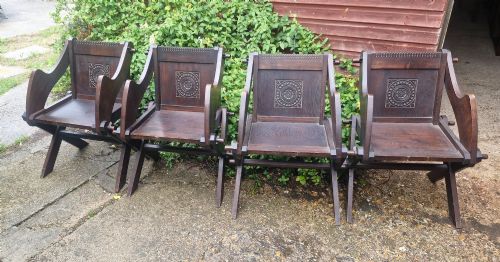
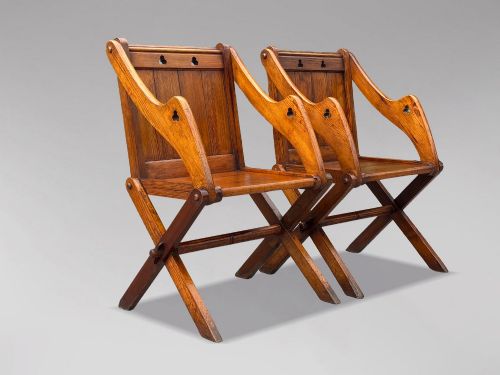
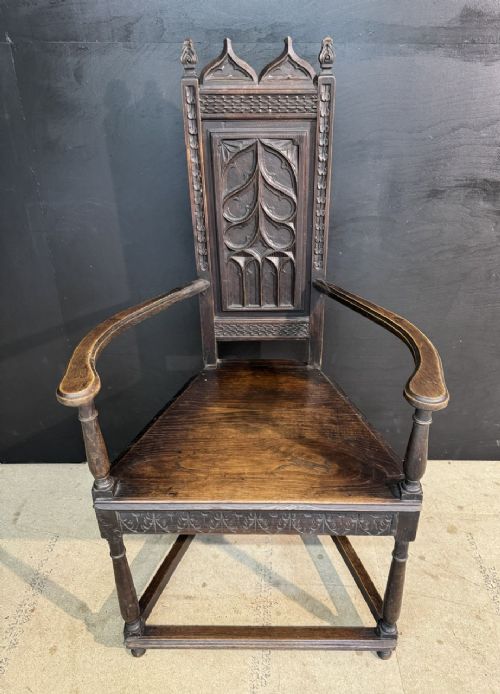
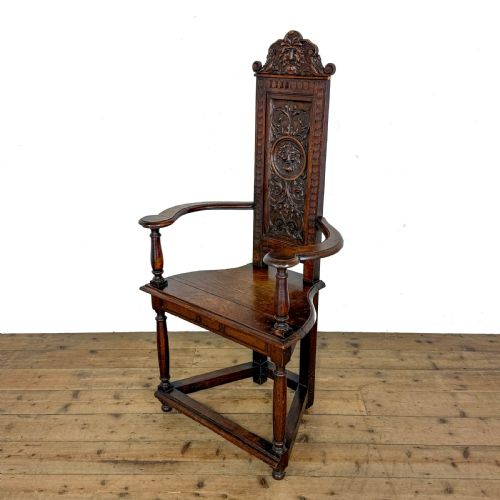
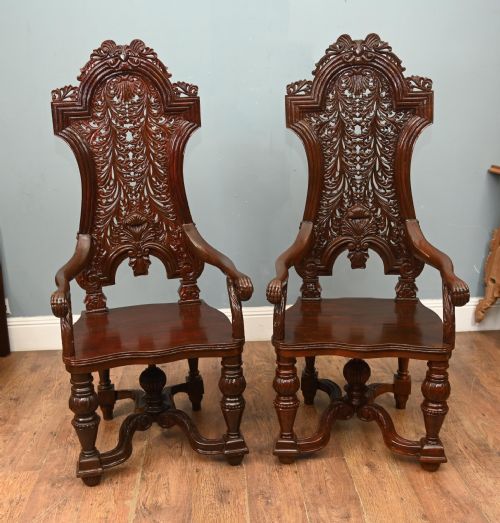
A gothic style hall chair draws heavily on medieval ecclesiastical design, translating pointed arches, tracery and linenfold carving into domestic seating. These chairs often manifest as upright side chairs or substantial armchairs, with notable examples following designs associated with Pugin or taking the form of X-framed Glastonbury chairs.
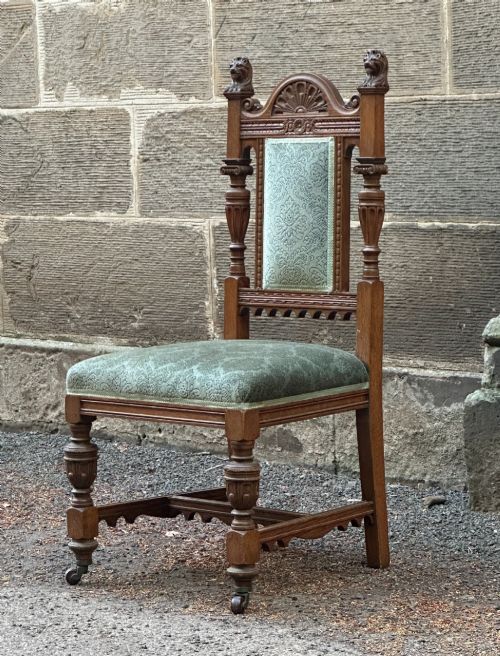
The pieces appearing on this page span the nineteenth century and the Edwardian era, alongside revival interpretations rooted in Victorian Gothic and Jacobean styles. Oak serves as the principal medium, giving these seats their characteristic weight and presence.
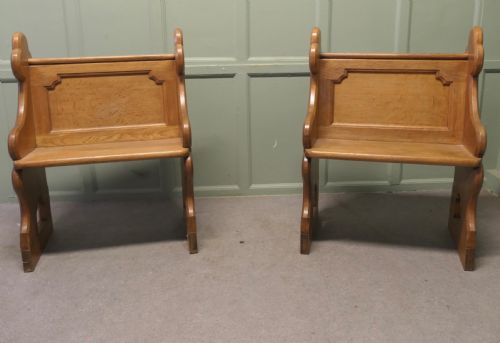
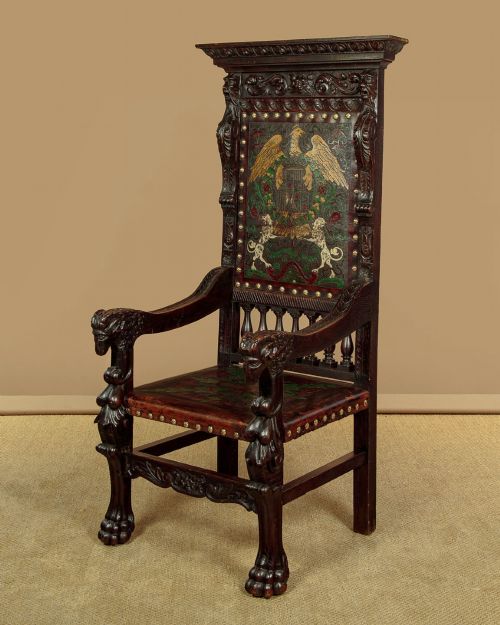
Buyers encounter everything from paired library seating to singular throne chairs featuring high backs and intricate relief carving. While some pieces were built for functional domestic entryways, others carry distinctly ecclesiastical or monastic undertones.
How they were made
Joinery relies heavily on solid oak and pitch pine, shaped with mortise and tenon construction to support the considerable weight of high backs and carved panels. Craftsmen utilised hand-carving chisels to execute deep relief motifs, pointed arches and geometric tracery directly into the timber.
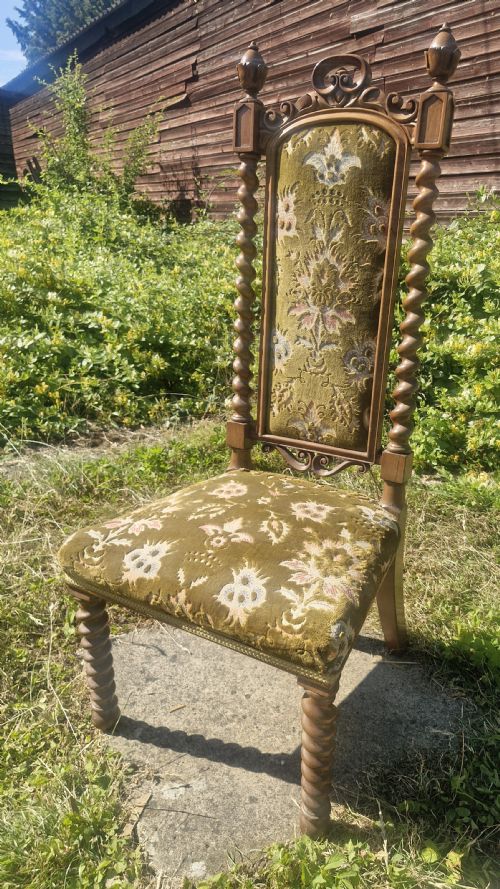
Secondary materials such as brass studs, stamped leather and velvet provide tactile contrast against the dark wood surfaces. Upholstery, where present, is frequently secured with traditional buttoning or tacked edges that accentuate the medieval revival aesthetic.
Listings feature oak, pitch pine and mahogany timbers, spanning Victorian, Edwardian and Georgian periods.
What varies in quality
Depth and crispness of the wood carving separate standard production pieces from masterworks, as sharp undercuts and well-defined tracery require significant skill. The choice of timber also dictates quality, with dense golden oak or figured pitch pine showing superior grain and structural integrity over softer beechwood alternatives.
Proportion and architectural balance define the upper tier of these chairs, ensuring that heavy ornament complements rather than overpowers the frame. Original leather upholstery and intact brass hardware further elevate a piece above later replacements.
Bruce Talbert·Gillows
The Gothic Style Hall Chair Glossary
- Glastonbury chair
- A type of folding X-frame armchair with a sloping back and panelled seat, popular in nineteenth-century Gothic revival interiors. This form derives from early medieval prototypes.
- Wainscot chair
- A heavy wooden armchair with a panelled back and box-like seat construction, originating in the seventeenth century and frequently revived later. It provides solid, upright seating.
- Tracery
- Architectural stonework ornamentation transferred to woodwork, featuring intersecting ribwork and pointed arched patterns. It forms the primary decorative vocabulary on Gothic seat backs.
- Sgabello
- A light wooden Renaissance chair with a distinct faceted trestle base and a high, narrow back. These Italian forms occasionally appear alongside northern European Gothic seating.
Gothic Style Hall Chair: Frequently Asked Questions
Where were hall chairs placed?
These chairs stood in grand entryways, hallways and corridors to provide temporary seating for visitors waiting to be announced. Their upright posture encouraged straight-backed poise rather than relaxed lounging.
In domestic settings, they also functioned as decorative accent pieces in libraries and landings where architectural weight was desired.
How do I date a Gothic revival chair?
Dating relies on examining the timber grain, tool marks left by saws, and the specific style of the revival movement. Nineteenth-century makers often combined medieval motifs with machine-assisted joinery while retaining hand-carved surface details.
Comparing the construction methods to documented pieces from the Victorian era helps narrow down the decade of manufacture.
Are these chairs comfortable for daily use?
Gothic hall chairs were engineered for architectural display and formal posture rather than ergonomic lounging. The rigid wooden backs and upright angles encourage a very straight seating position.
Upholstered variants or models with padded leather seats offer a softer experience, but they remain firm compared to modern armchairs.
What is the difference between an oak and a pitch pine chair?
Oak provides a dense, heavy structure with a tight grain that darkens gracefully over centuries of polishing. It represents the traditional choice for high-status revival furniture.
Pitch pine offers a lighter colouration with prominent, resinous grain patterns, frequently utilised in nineteenth-century interpretations of medieval church furniture.