

Gothic Style Carved Seat
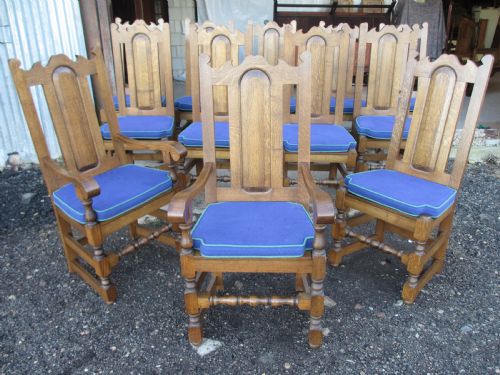
A gothic style carved seat brings heavy architectural timber and pointed arch motifs straight into a hallway or study.
Gothic Style Carved Seat
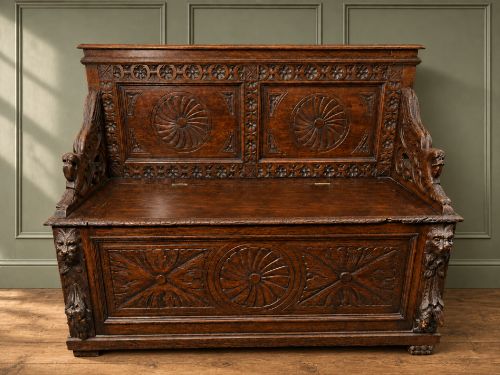
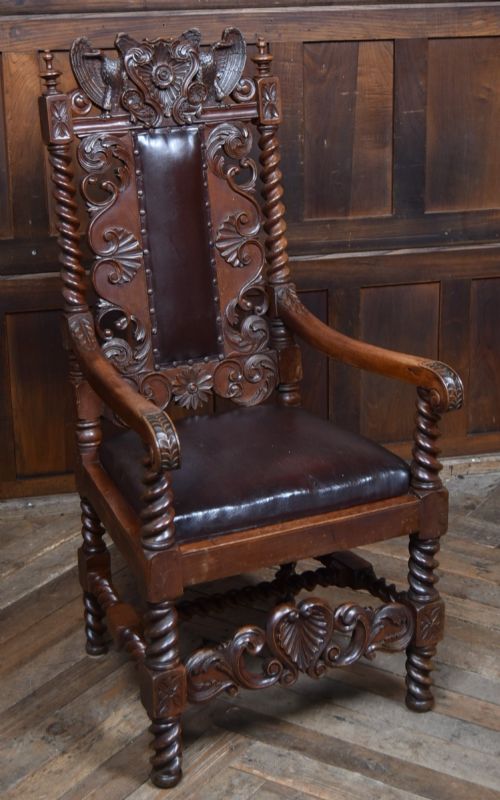
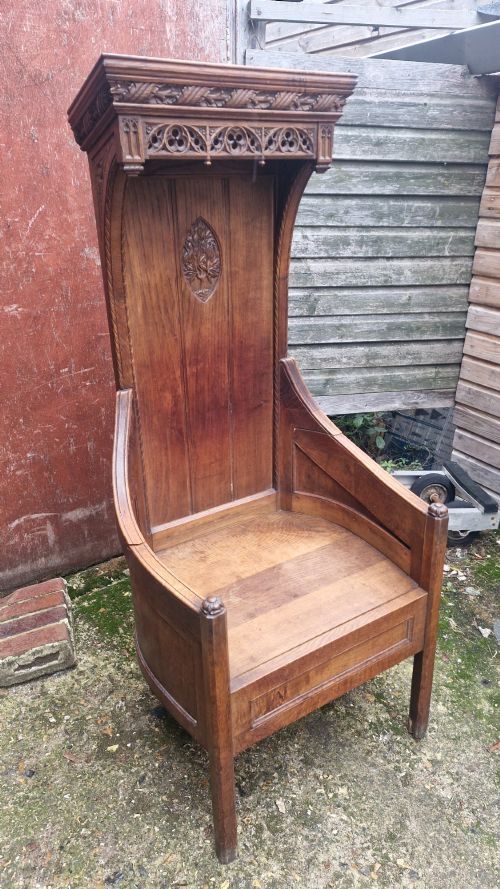
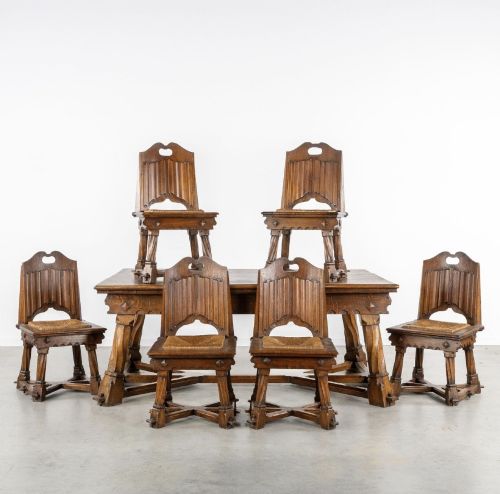
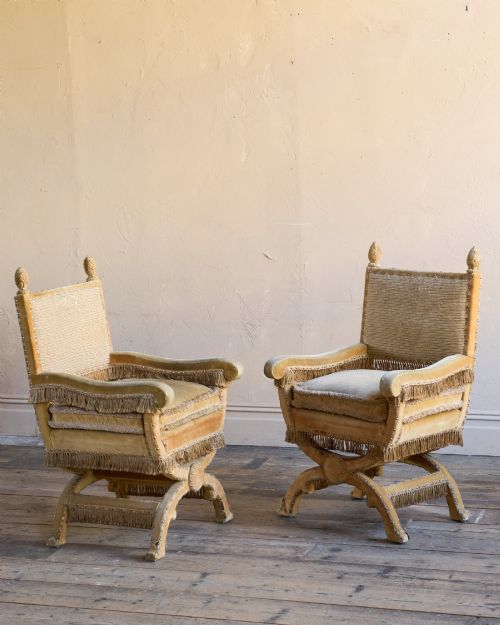
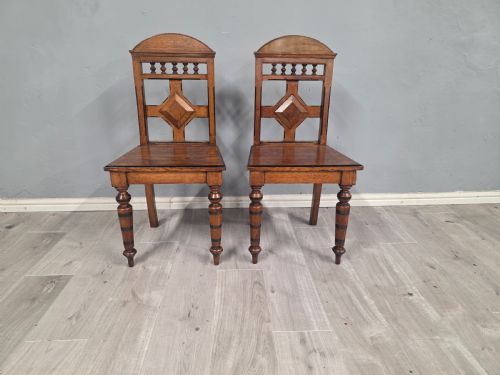
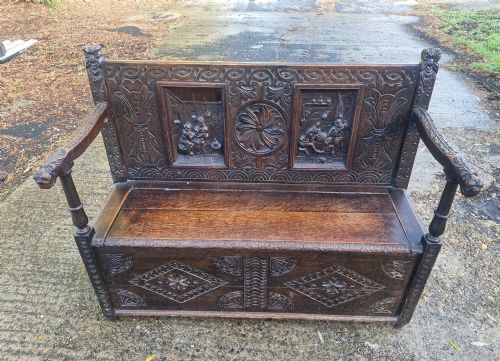
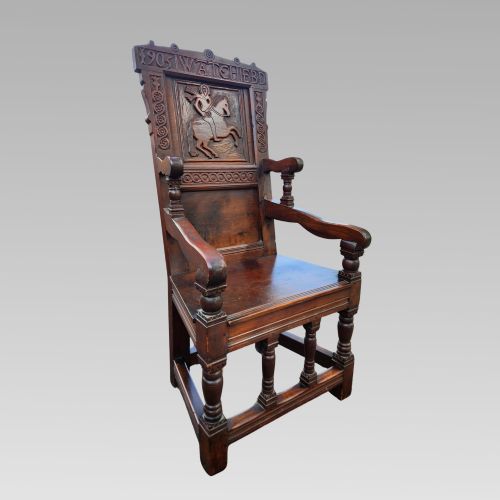
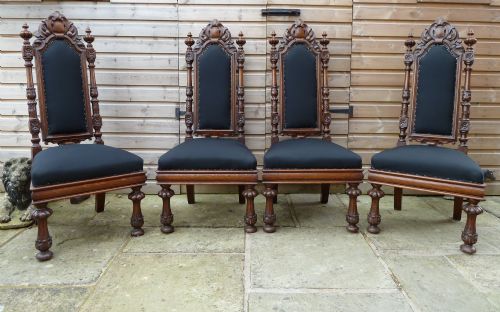
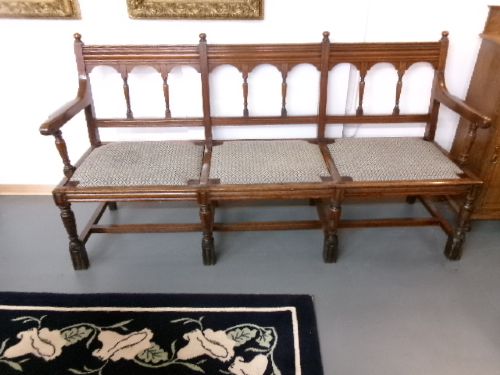
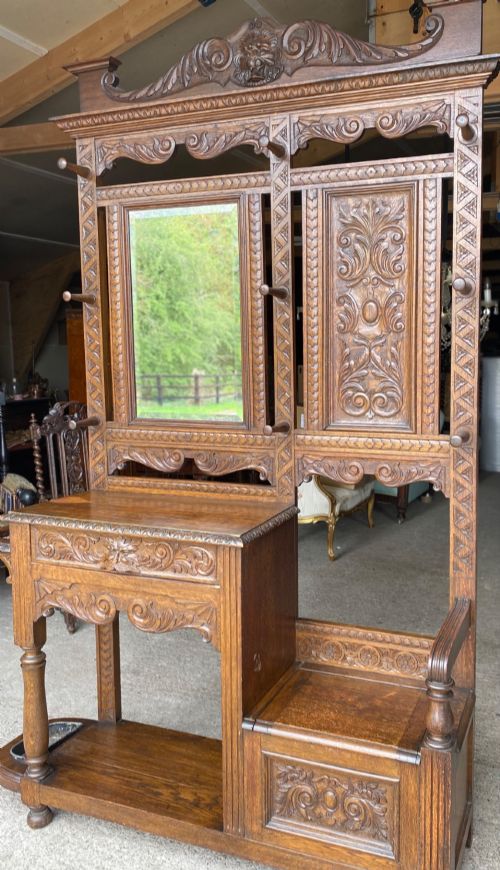
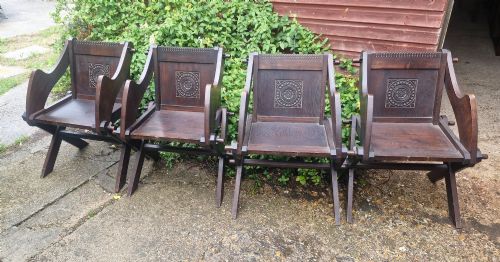
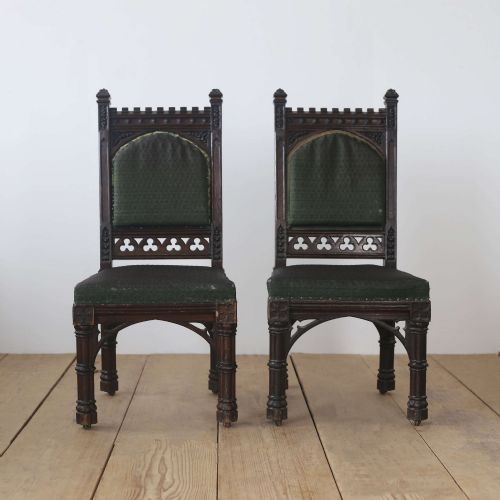
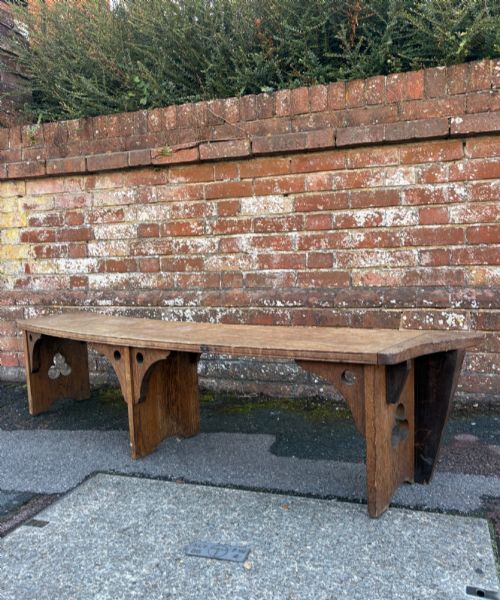
A gothic style carved seat draws on medieval ecclesiastical and secular architecture, typically taking the form of robust armchairs, high-backed throne chairs, settles, and hall benches. These pieces often feature traceried panels, trefoil cut-outs, and panelled box frames that reflect the nineteenth-century revival movements.
The versions most commonly met on this page date from the nineteenth century, particularly the Victorian era, alongside later interpretations from the early twentieth century. Oak predominates as the primary timber, occasionally supported by walnut or pitch pine, with forms ranging from simple monastic settles to elaborate armchairs upholstered in leather or velvet.
How they were made
Makers relied heavily on solid oak and walnut, shaping the dense timber with hand chisels to create deep relief carvings, linenfold panels, and geometric tracery. Joinery followed traditional framing techniques, employing mortise and tenon joints secured with wooden pins to support the substantial weight of high backs and heavy armrests.
Upholstery, where present, utilised durable materials such as Spanish leather, velvet, or woven fabric, fastened with brass studs along the wooden frames. Structural integrity was maintained through rigid cross-frame X-designs, curule shapes, or heavy under-framing that anchored the seats firmly to the floor.
Gothic Style Carved Seat Retail Price Guide 2026
Typical asking prices for gothic style carved seat among the pieces listed under this phrase on Sellingantiques today, from the lower quarter to the upper quarter. They describe what is for sale here now, not the wider market.
The periods represented span from the mid-nineteenth century through the Edwardian era into the nineteen-thirties.
What varies in quality
The depth and crispness of the hand-carved ornamentation separate standard production pieces from finer examples, as skilled carvers achieved sharp, clean lines in the tracery rather than soft, shallow impressions. The choice and selection of the timber also dictate grade, with well-figured quarter-sawn oak displaying prominent medullary rays carrying far more visual presence than plain boards.
Proportion and structural ambition define the upper tiers of these seats, where architectural elements like crocketed spires, linenfold backrests, and robust ecclesiastical forms are integrated harmoniously without appearing clumsy. Greater refinement is visible in the tightness of the joinery and the deliberate weight of the frame, ensuring the seat feels architectural rather than purely decorative.
The Gothic Style Carved Seat Glossary
- Gothic Revival
- An architectural and decorative style popular during the nineteenth century that revived medieval forms, pointed arches, and heavy timber construction.
- Wainscot chair
- An enclosed wooden armchair characterised by a solid panelled back and panelled seat base, typical of seventeenth-century domestic design and later revived.
- Glastonbury chair
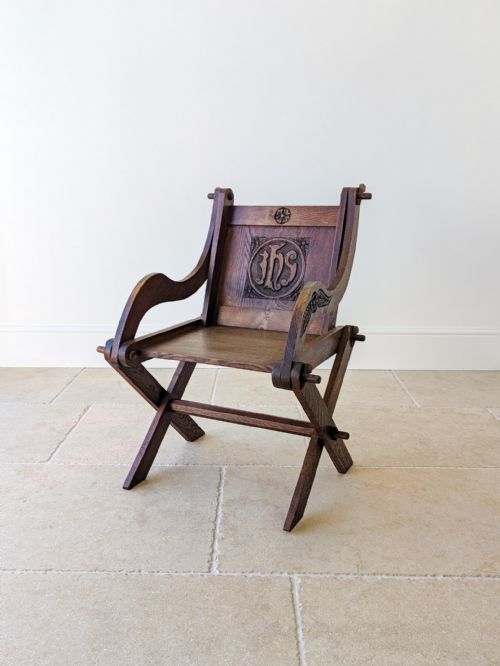
- A distinctive folding or X-framed wooden armchair with a sloping panelled back and flat armrests, associated with medieval ecclesiastical furniture.
- Monks bench
- A convertible piece of furniture featuring a hinged back that flips forward to transform a high-backed settle into a table.
- Trefoil
- A graphic ornamentation consisting of three overlapping circles or leaf-shaped lobes, commonly pierced through wooden chair backs and supports.
Gothic Style Carved Seat: Frequently Asked Questions
What is a gothic style carved seat?
A gothic style carved seat is a heavy wooden chair, bench, or settle influenced by medieval architecture and nineteenth-century revival movements. These pieces feature pointed arches, linenfold panels, and deep relief carving.
They serve as striking focal points in hallways, libraries, and studies, combining functional seating with architectural presence.
How were these seats used historically?
Historically, such seats occupied prominent positions in halls, churches, and grand domestic interiors to project authority and status. High backs and solid sides provided shelter from draughts in large, cold rooms.
Monks benches and settles also offered dual utility, serving as seating during the day and converting into tables or storage spaces when needed.
How do I live with a gothic seat?
Living with a heavy wooden seat involves allowing it space to breathe as a sculptural element in a room rather than crowding it with smaller furniture. Pairing the dark timber with plain walls or neutral textiles lets the intricate carving stand out.
Because these pieces are structurally robust and heavy, placing them against load-bearing walls or in wide hallways prevents them from dominating everyday circulation space.
How do I tell periods apart?
Distinguishing periods relies on examining the timber preparation, the style of the carving, and the specific revival movement referenced. Mid-nineteenth-century pieces often display crisp, earnest Gothic Revival detailing, while later examples incorporate Arts and Crafts simplicity or heavier Renaissance Revival influences.
Tool marks, timber ageing, and construction methods help separate genuine nineteenth-century revival work from twentieth-century interpretations.