
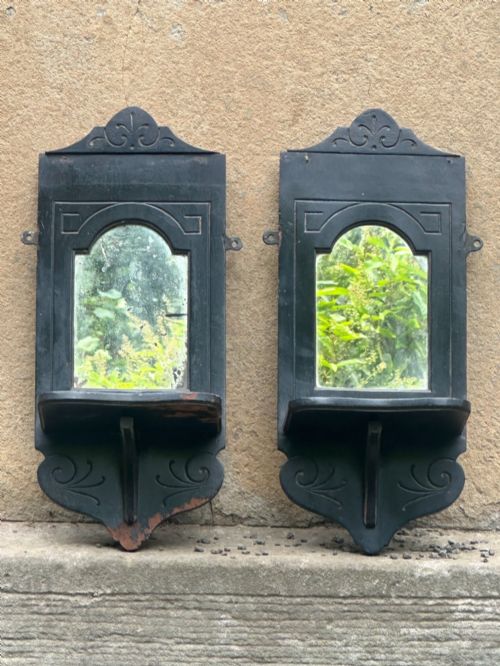


Gothic Revival Wall Shelves
Gothic revival wall shelves combine pointed arches and heavy timber to give Victorian rooms architectural presence.

Gothic Revival Wall Shelves
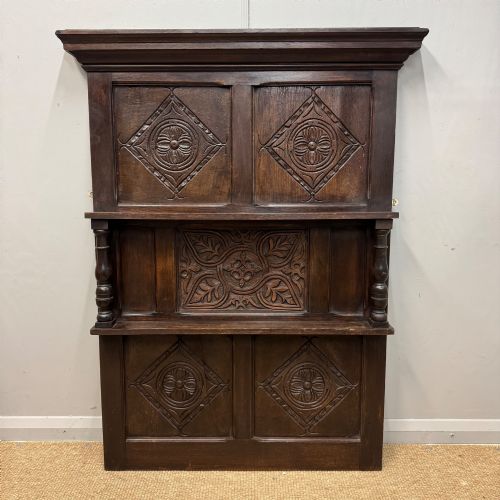
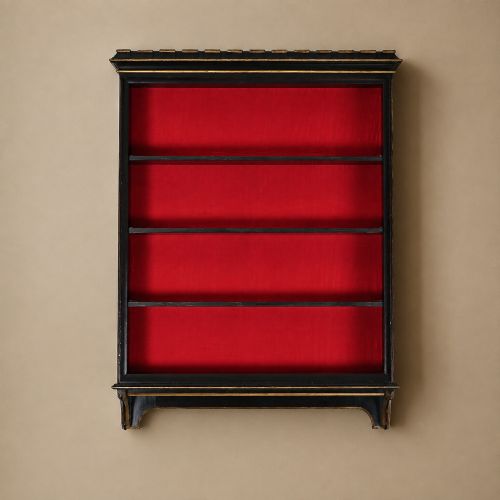
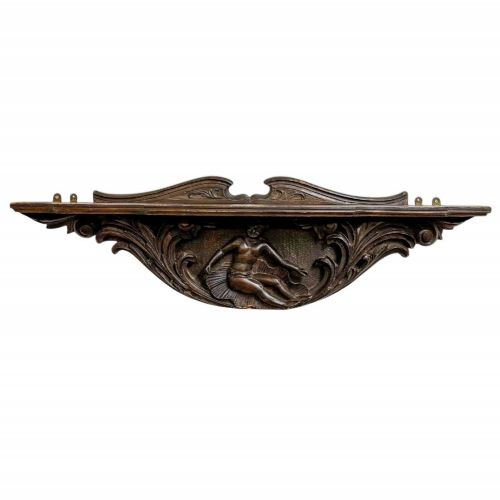
Gothic revival wall shelves bring medieval architectural motifs into domestic interior spaces through pointed arches, tracery and robust timber construction. These wall-mounted pieces range from simple single brackets to tiered bookcases and display cabinets designed to hold books or small ornaments.
The versions most commonly met on this page date from the nineteenth century, particularly the Victorian period, and utilise dense hardwoods like oak and rosewood alongside ebonised wood. Their forms draw directly upon Gothic cathedral architecture and later nineteenth-century revivals such as the Aesthetic Movement and Renaissance Revival.
How they were made
Cabinetmakers constructed these shelves primarily using solid hardwoods, predominantly oak, mahogany, rosewood and ebonised wood, often enhanced with carved details or turned supports. Joinery techniques of the nineteenth century ensured structural stability for wall-hung furniture supporting heavy volumes or decorative objects.
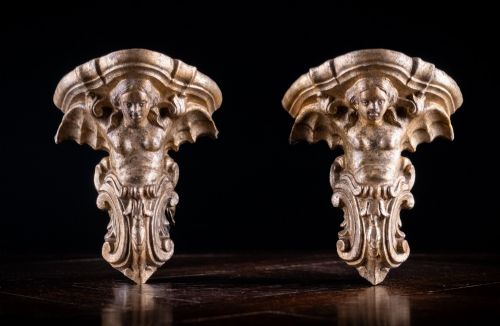
Surface treatments included wax polishing for oak and rosewood alongside ebonisation to mimic ebony, while selected pieces incorporated carved pediments, brass fixtures, gilt terracotta or beveled glass mirrors.
Listings span the nineteenth century, featuring oak, rosewood, and mahogany forms created during the Victorian and Aesthetic periods.
What varies in quality
The depth and crispness of the architectural carving distinguishes standard production from exceptional pieces attributed to notable designers or master carvers. Selection of timber grain, the integration of structural elements like fretwork, and the presence of original brass or mirrored components alter the visual weight of each shelf.
Proportion and architectural coherence separate superior examples from simpler utilitarian items, as does the survival of original surface finishes and patination accumulated over the nineteenth century.
George Edmund Street·Cottier & Co.·John Moyr Smith·Luigi Frullini
The Gothic Revival Wall Shelves Glossary
- Gothic Revival
- An architectural and decorative style drawing inspiration from medieval design, featuring pointed arches, trefoils and heavy structural forms. This movement dominated nineteenth-century interior furnishings.
- Ebonised Wood
- Timber treated with a dark stain or finish to imitate expensive ebony wood. It was frequently utilised during the Victorian era for dramatic contrast.
- Bracket Shelf
- A wall-mounted support shelf projecting outward, held by a triangular bracket beneath. These are often carved with architectural motifs.
- Overmantel
- A decorative structure placed above a fireplace mantel, frequently incorporating shelves, panels and mirrors. They formed a major focal point in Victorian reception rooms.
Gothic Revival Wall Shelves: Frequently Asked Questions
How do I hang heavy wooden wall shelves safely?
Secure the mounting brackets directly into wall studs using appropriate fixings suited to nineteenth-century timber weight.
Distribute the weight of books or ceramic objects evenly across the tiers to prevent strain on the wall fastenings.
What rooms suit nineteenth century gothic shelves?
These pieces suit reception halls, libraries or studies where dark woods and architectural woodwork establish a traditional interior.
They also function effectively in modern spaces when paired with plain walls that highlight their carved detailing.
How do I clean antique oak and rosewood shelves?
Dust regularly with a dry, soft cloth and apply quality beeswax periodically to nourish the historic timber finish.
Avoid modern liquid polishes or silicone sprays, which can penetrate open wood grain and damage the original patination.
How do I distinguish Gothic Revival from Aesthetic Movement pieces?
Gothic Revival pieces rely heavily on medieval architectural elements like pointed arches, heavy oak and deep relief carving.
Aesthetic Movement pieces tend to feature ebonised surfaces, delicate fretwork and lighter proportions influenced by Japanese design.