
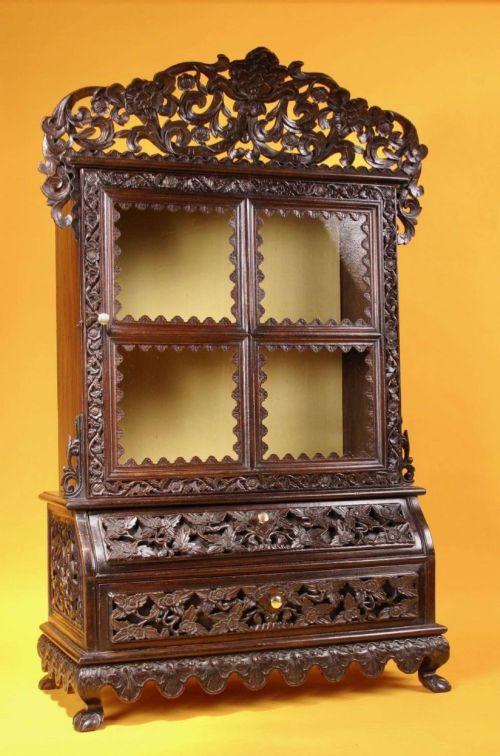

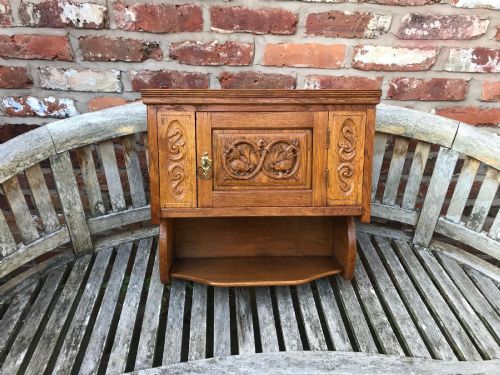

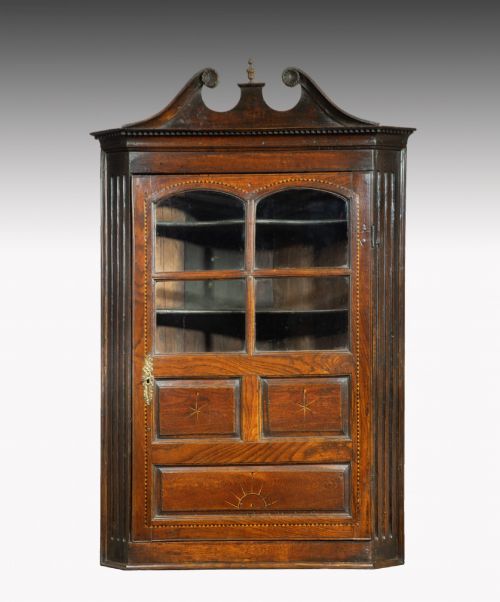
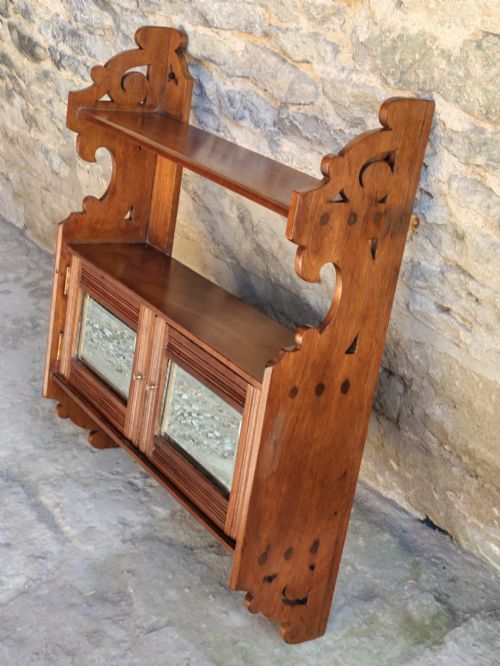

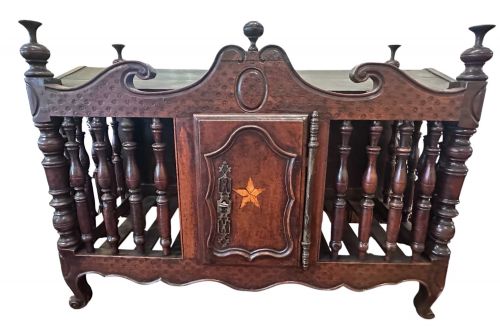


Carved Wood Wall Cupboard
A carved wood wall cupboard is a practical storage piece designed to save floor space, bringing period character directly to any room.

Carved Wood Wall Cupboard
A carved wood wall cupboard serves as a functional storage fixture that mounts securely to interior walls, freeing up valuable floor area in smaller rooms. Buyers seeking a carved wood wall cupboard typically encounter pieces originating from the eighteenth and nineteenth centuries, spanning Georgian, Victorian, and Edwardian periods.
Many examples incorporate glazed doors or internal shelving designed originally for display or provisions. These compact units adapt easily to modern kitchens, hallways, and living spaces where traditional furniture adds depth and texture.
Distinguishing Quality
The distinction between standard utility cupboards and finer examples rests upon the depth and execution of the timber carving. Crisp, hand-chiselled detailing on solid hardwood doors indicates superior workshop standards compared to shallow or mechanical stamping.
Timber selection further separates the tiers, with figured burr walnut, dense eighteenth-century oak, and rich mahogany commanding greater attention than secondary softwoods like pine. Original iron or brass hardware and intact historical glass panes elevate the integrity of the piece.
The listings on this page span the eighteenth, nineteenth, and early twentieth centuries, featuring regional oak, walnut, mahogany, and fruitwood.
The Carved Wood Wall Cupboard Glossary
- Corner cupboard
- A triangular cabinet specifically constructed to fit snugly into the ninety-degree angle of a room. These pieces maximise neglected spatial junctions in period interiors.
- Panetiere
- A traditional French hanging food cupboard or bread cage featuring turned spindles or open slats for ventilation. They were utilised in rural kitchens to protect loaves from household pests.
- Gothic Revival
- An architectural and decorative style popular during the nineteenth century that revived medieval forms. Pieces display characteristic pointed arches, trefoils, and heavy tracery.
- Barley twist
- A type of turned wooden column resembling a spiralling rope or barley sugar stick. This decorative turning technique appears frequently on seventeenth and nineteenth-century furniture supports.
- Lavabo cabinet
- A wash cabinet containing a metal water cistern and basin, often paired with a wall-mounted wooden housing. They provided personal washing facilities before modern plumbing.
Carved Wood Wall Cupboard: Frequently Asked Questions
How do I hang a heavy antique wall cupboard safely?
Wall-mounted cabinets from the eighteenth and nineteenth centuries carry considerable weight due to solid oak or walnut construction. Securing them requires locating substantial wall studs or masonry anchors rather than relying solely on plasterboard.
Professional installation ensures the original hanging brackets or internal fixing points bear the load securely without straining historical joinery.
Where were wall cupboards placed in historical homes?
These compact storage units served varied domestic functions across different rooms, appearing in kitchens for provisions, dining areas for tableware, and parlours for display. Corner versions optimised modest chambers by utilising unused spatial angles.
Their elevated position kept contents away from damp stone floors and domestic animals in early households.
How can I tell a Georgian cupboard from a Victorian one?
Georgian pieces, often dating from the eighteenth century, tend to feature understated architectural proportions, fielded panels, and timber like red walnut or plain oak. Victorian examples frequently display heavier proportions, more exuberant relief carving, and darker finishes.
Examining the interior secondary woods and backboards provides additional clues regarding the manufacturing era.
Can antique wall cabinets hold modern kitchen items?
Many historical wall cabinets possess sufficient depth and sturdy internal shelving to accommodate modern kitchenware, glassware, or decorative objects. Checking internal dimensions ensures specific items fit comfortably behind the historical doors.
Careful consideration of shelf weight capacity prevents structural stress on older wooden supports.