



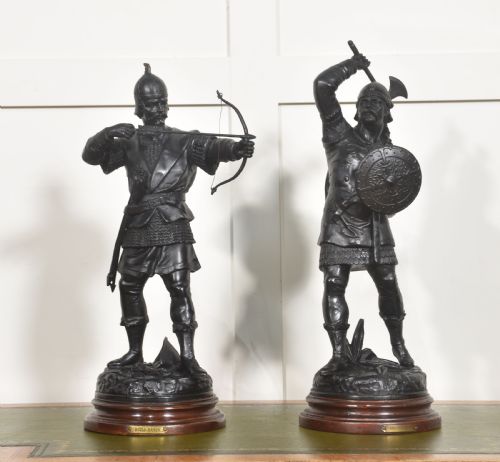


Gothic Revival Bronzes
Gothic revival bronzes bring the solemn, architectural weight of medieval buildings directly into nineteenth-century domestic interiors through heavy metalwork and ecclesiastical forms.
Gothic Revival Bronzes
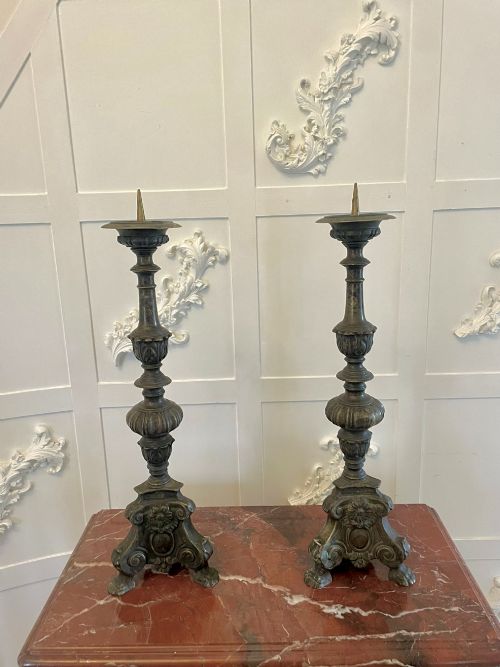
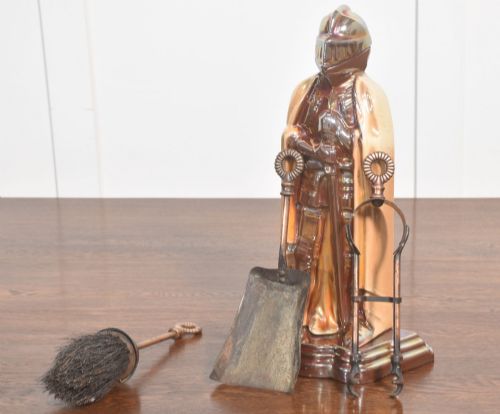
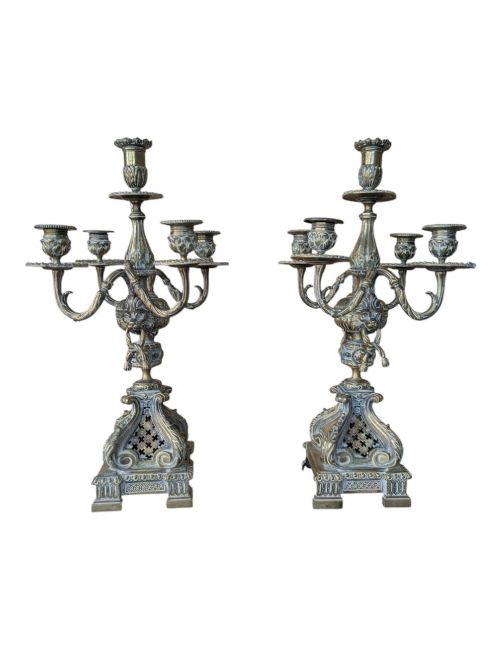
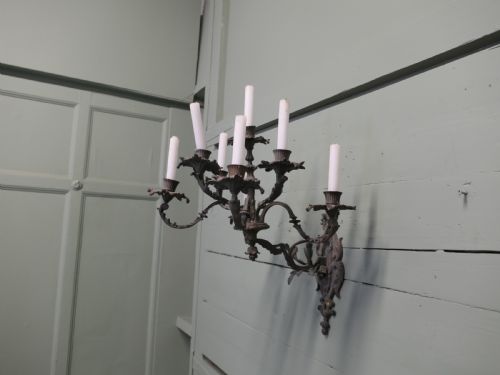
These objects encompass nineteenth-century lighting, clocks, figures, and vessels shaped by a sustained Victorian fascination with medieval architecture, heraldry, and ecclesiastical design. When searching for gothic revival bronzes, buyers encounter everything from massive cathedral-style chandeliers and pricket candlesticks to detailed figures of knights and warriors.
The items here span the nineteenth and early twentieth centuries, drawing heavily on Victorian historicism and occasional French Empire influences. Most pieces utilise cast metals to recreate the pointed arches, tracery, and solemn characters associated with medieval stone and ironwork.
Distinguishing Quality
The sophistication of the mechanism in clocks or the structural complexity of multi-branch chandeliers and wall sconces indicate skilled workshop execution rather than standard commercial output.
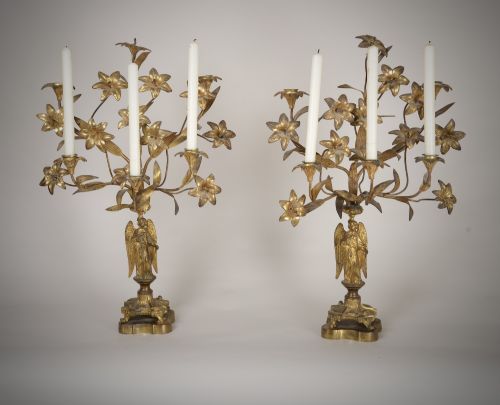
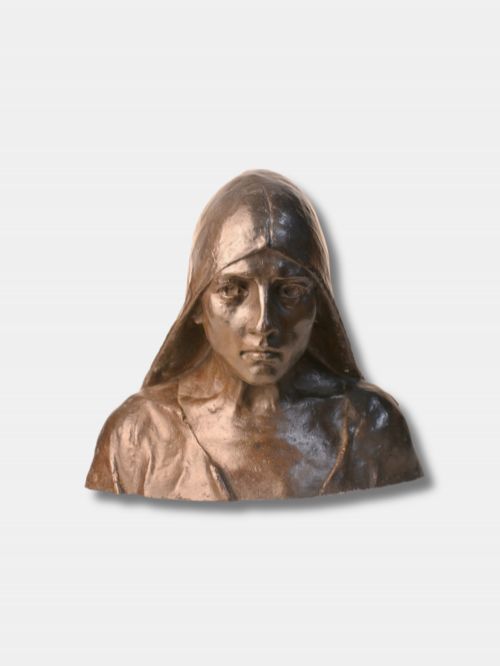
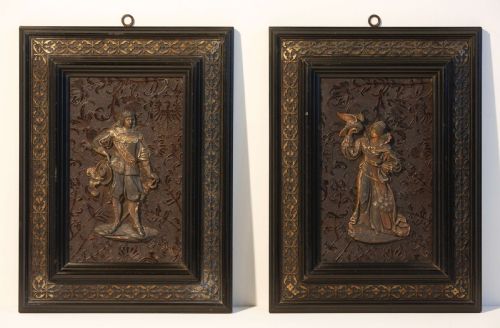
The listings feature diverse forms including pricket candlesticks, clock garnitures, wall sconces, and figural sculptures of medieval characters.
Emile Jespers·Louis François Frémiet·Ravrio·Ferdinand Barbedienne
The Gothic Revival Bronzes Glossary
- Pricket candlestick
- A candle holder featuring a central spike that secures the base of the candle rather than a socket. These often appear in ecclesiastical and heavy revival settings.
- Ormolu
- Finely ground high-carat gold applied to a bronze base using a mercury amalgamation technique, common in nineteenth-century decorative items.
- Tazza
- A shallow cup or saucer-shaped vessel elevated on a stem and foot, frequently utilised for display on tables or mantels.
- Twin double fusee
- A complex clock movement using chains and conical pulleys to equalise the pull of the mainspring, ensuring consistent timekeeping.
Gothic Revival Bronzes: Frequently Asked Questions
What periods do these pieces date from?
The inventory spans the nineteenth century through the early twentieth century, capturing the height of Victorian historicism and later revival movements.
Dates cluster heavily around the Victorian era, alongside pieces marked by early twentieth-century interpretations of medieval design.
How were gothic revival metal objects used?
Many items served practical lighting or timekeeping roles in domestic and ecclesiastical spaces, including chandeliers, hall lanterns, and mantel clocks.
Others functioned purely as decorative sculpture, featuring figures of medieval knights, saints, and warriors on marble bases.
How do I live with heavy metal antiques?
These dense metal and marble objects require sturdy furniture, such as heavy sideboards, mantelpieces, or dedicated display surfaces capable of supporting substantial weight.
Positioning them away from damp environments helps preserve the original bronze patination and gilded brass finishes.
How do I identify different metal finishes?
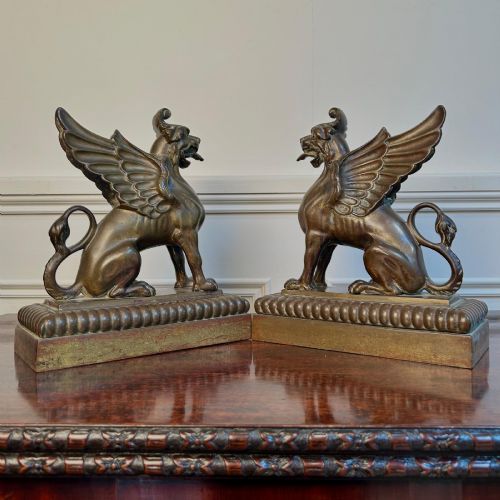
Look for the distinct warm golden tone of genuine ormolu and gilt brass alongside the dark, weathered surface of patinated bronze.
Some domestic items also incorporate painted metal, white metal, or spelter cast to resemble more expensive bronze.