




Gothic Mantel Clock
These gothic mantel clocks combine architectural geometry with striking domestic timekeeping.
Understanding the gothic mantel clock
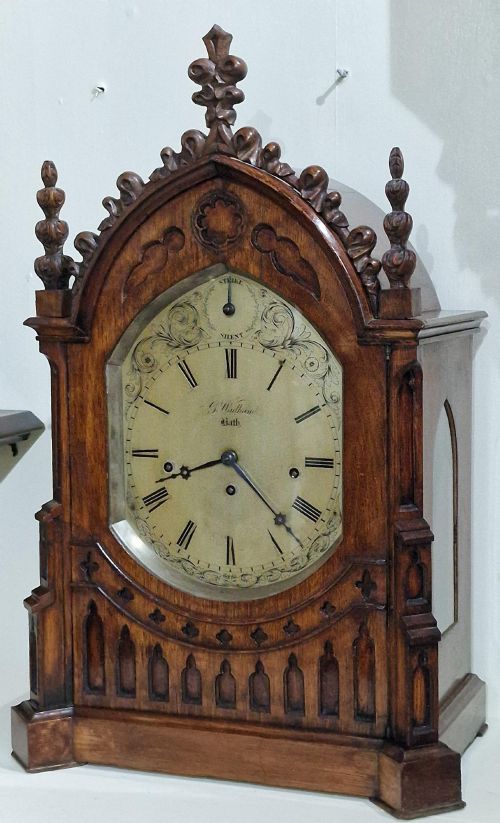
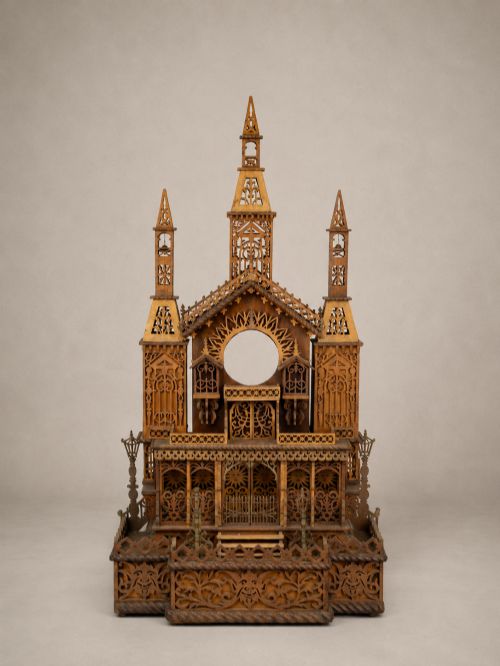
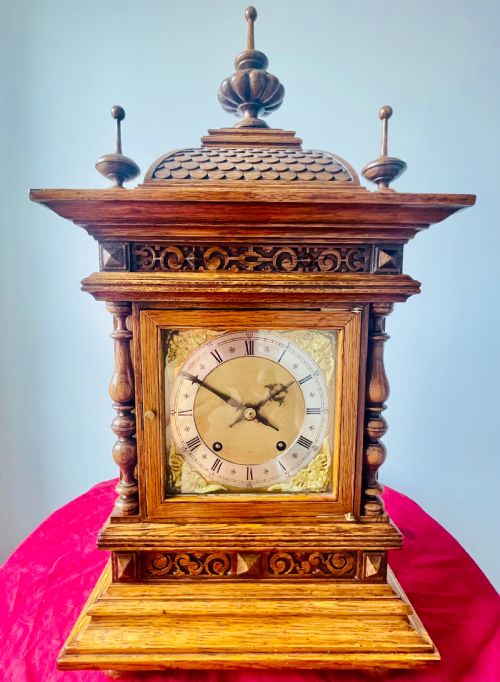
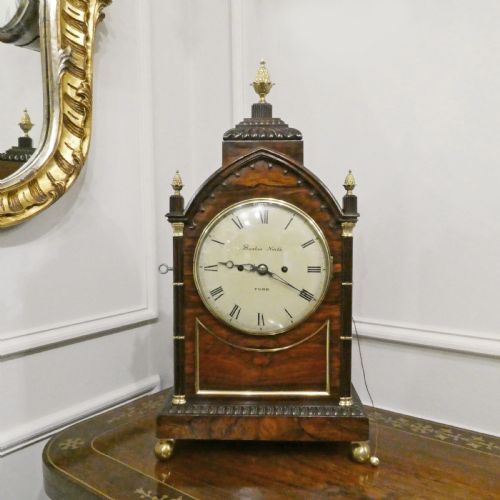
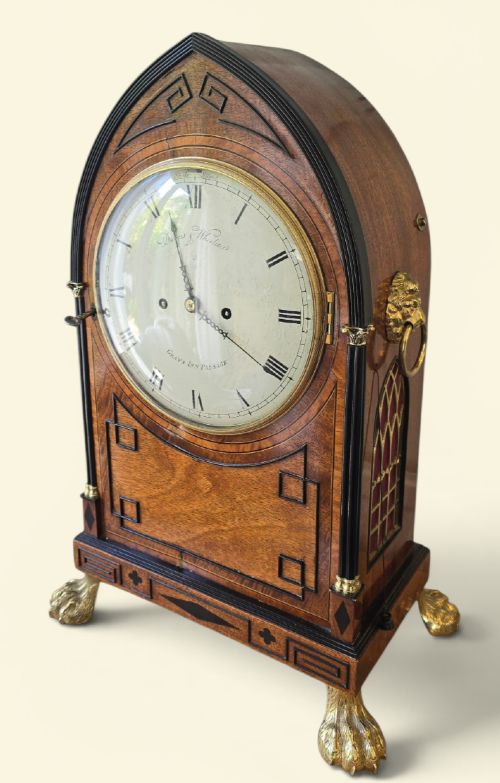
A gothic mantel clock brings architectural forms into the domestic interior, taking inspiration from medieval building design with pointed arches and structured cases. The pieces found here span the Victorian era, particularly the later decades of the nineteenth century. These clocks range from substantial architectural slate and marble bodies to timber cases inspired by cathedral styling.
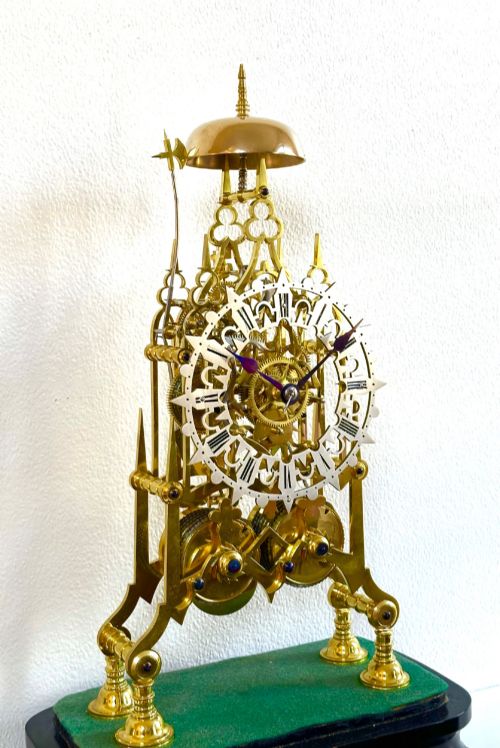
Makers adapted gothic vocabulary for the shelf and the mantel, producing variations from simple domestic timepieces to complex fusee movements with multiple bells. Regional influences appear across the selection, including English fusee movements, French gilt bronze, and Black Forest timber carving. Architectural motifs such as pointed arches and pointed spires define the visual character of the group.
Materials and construction
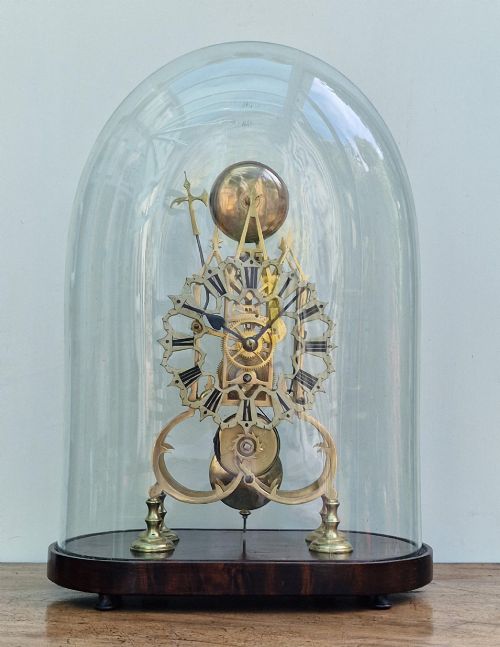
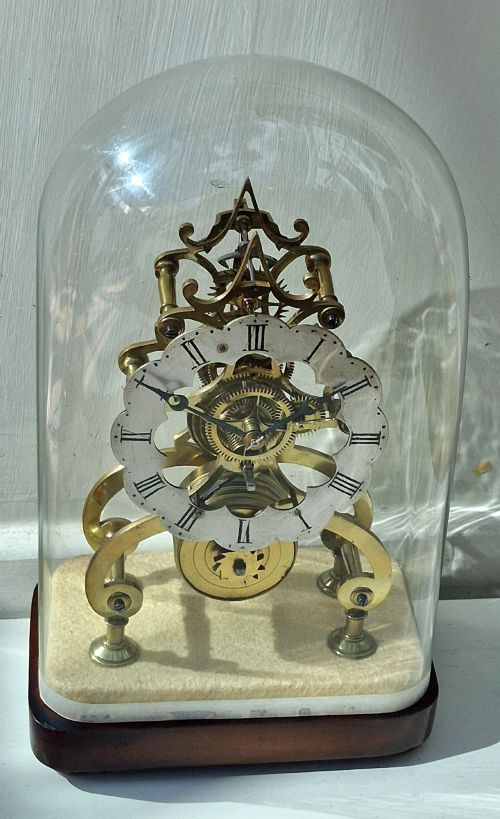
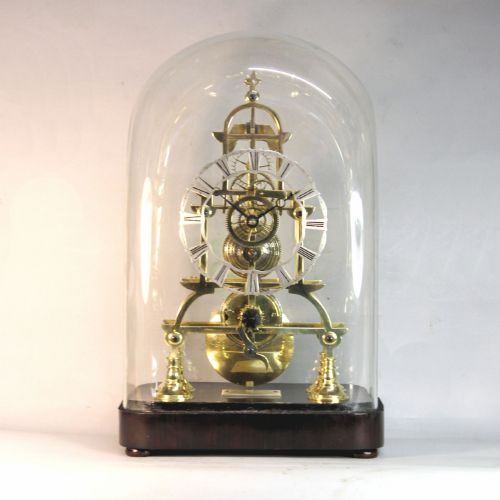
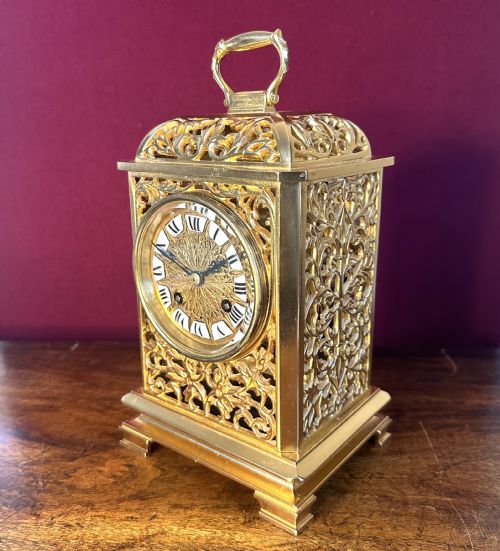
Cases combine heavy structural elements such as slate, marble, brass, copper, and stained wood, often using oak or rosewood for timber housings. Metal elements include cast bronze, gilded surfaces, and brass fittings that accentuate the architectural lines. Glass panels protect delicate dials and permit views of the internal mechanics.
Movements rely on traditional mechanical engineering, utilising fusee systems and anchor escapements to regulate the time accurately. Complex examples feature quarter-striking mechanisms and multiple bells, requiring precise gear cutting and assembly by skilled horologists.
Retail Price Guide 2026
Typical UK retail prices for gothic mantel clock, calculated from the Sellingantiques database of over a million retail prices indexed since 2003. This retail price guide relies exclusively on Sellingantiques data; no external sources or auction records are used, so the figures do not describe the wider market.
The listings show pieces constructed from slate, marble, oak, rosewood, brass, copper, and glass, spanning the Victorian period from 1860 to 1890.
Markers of distinction
Quality reveals itself in the architectural precision of the case and the complexity of the internal movement. Clocks featuring twin fusee movements or quarter-striking trains demonstrate higher technical ambition than simpler time-only designs.
The choice of materials also separates standard production from finer work. Heavy marble and slate housings, intricate bronze gilding, or deeply carved Black Forest wood indicate superior workshop standards and greater expenditure of artisan labour.
Beha·Thomas Cox London·Frodsham London·Kilpin
The Gothic Mantel Clock Glossary
- Fusee
- A conical pulley used in mechanical clocks to maintain an even pull on the gear train as the mainspring unwinds. This device improves timekeeping accuracy across the power reserve.
- Bracket clock
- A portable table or mantel clock originally designed to sit on a wall bracket. Many later examples functioned as substantial freestanding mantel timepieces.
- Gothic Revival
- An architectural and decorative style that revives medieval forms, notably pointed arches, tracery, and heavy masonry massing. It dominated much nineteenth-century design.
- Quarter-striking
- A striking mechanism that sounds the quarters of the hour on bells or gongs in addition to the hour count. It requires an intricate train of gears.
- Twin fusee
- A movement incorporating two separate fusee cones, usually dividing the timekeeping train from the striking train. This setup ensures consistent power to both functions.
Frequently Asked Questions
How do fusee movements work?
A fusee movement uses a conical drum connected to the mainspring by a cord or chain. As the spring loses tension, the cord pulls on a wider part of the cone, balancing the declining force.
This ingenious mechanical arrangement ensures that the driving power delivered to the clockwork remains constant, resulting in much more reliable timekeeping.
Where should I place my clock?
These clocks require a stable, level surface such as a sturdy mantelpiece, a heavy sideboard, or a dedicated table. Placing the clock securely prevents vibrations from interfering with the pendulum or balance wheel.
Keep the clock away from direct sunlight, damp areas, and extreme temperature fluctuations to protect the timber, metal case, and internal lubricants.
How do I identify the period?
Dating relies on stylistic clues within the case design, the materials used, and the construction methods of the movement. Victorian Gothic Revival pieces from the mid to late nineteenth century often feature heavy slate, marble, or architectural timber.
Signatures or stamps on the movement plates or dial can also provide specific clues regarding the maker and the approximate decade of production.