


Eight Bell Clock
An eight bell clock brings mechanical chime and striking depth into a room, offering both traditional timekeeping and musical quarters.
Eight Bell Clock
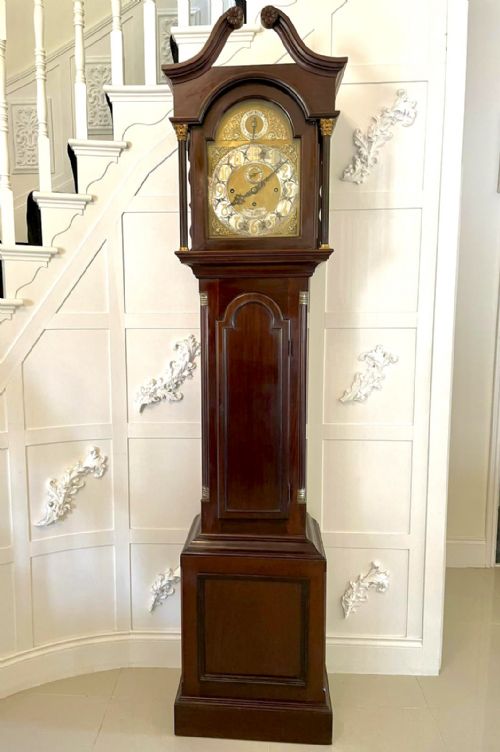
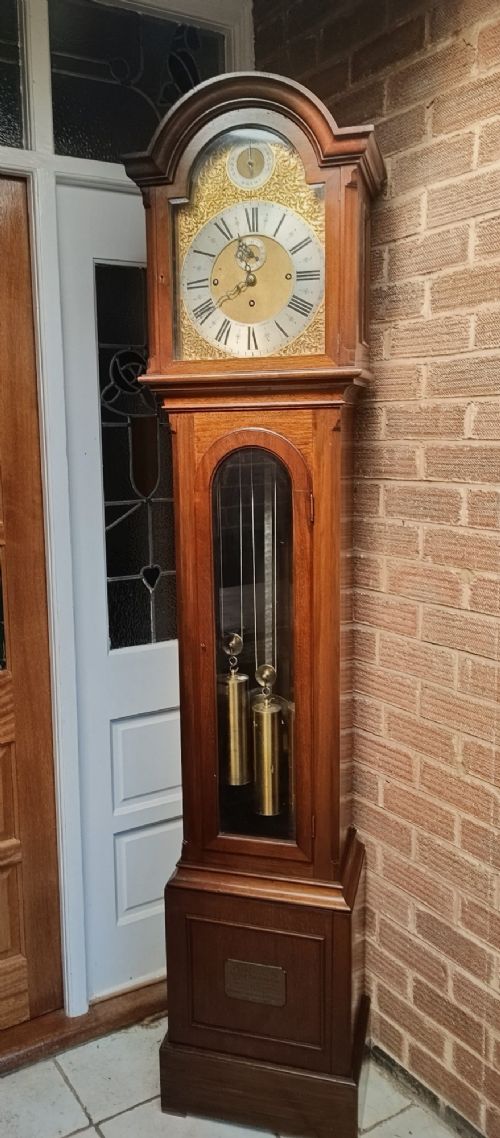
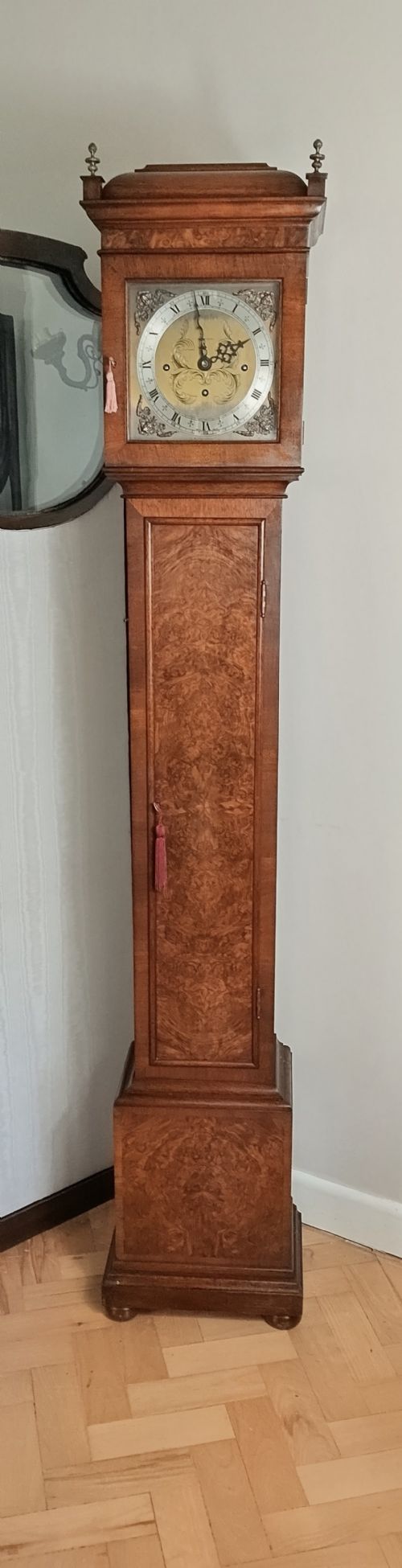
When you search for an eight bell clock, you are looking at timepieces designed to sound multiple tones for their chimes rather than a single hourly strike. These instruments appear in forms ranging from compact table models to tall floor-standing longcase examples.
The version you are most likely to meet on this page is housed in mahogany or ebonised wood, often dating from the Victorian or Edwardian periods, alongside earlier Georgian iterations. They encompass bracket clocks, mantel clocks, and grandfathers that utilise a multi-bell configuration.
These pieces originate from workshops spanning the eighteenth century through to the mid-twentieth century, showing stylistic influences such as Gothic Revival, Queen Anne style, and Georgian Revival. Their primary purpose remains the acoustic pleasure of quarter-chiming melodies alongside precise timekeeping.
How they were made
Mechanisms rely on brass, steel, and bronze components arranged within fusee or verge escapement movements to drive the complex chiming sequences across the eight bells. These metalworks require precise gear-cutting and careful adjustment of hammers to strike each bell cleanly.
Casings utilise timbers such as mahogany, burr walnut, oak, and ebonised wood, frequently mounted with ormolu or glass panels to protect the dial. Joinery techniques from the eighteenth to the twentieth centuries ensure rigid housings capable of supporting heavy brass movements.
Listings demonstrate movements utilising fusee, verge escapement, and triple-fusee configurations housed in mahogany, burr walnut, and ebonised wood.
What varies in quality
The sophistication of the movement sets the standard, separating simpler striking mechanisms from triple-fusee musical arrangements that orchestrate complex quarter chimes. Precision in the gear train and the melodic clarity of the eight bells dictate the technical grade of the piece.
Cabinetry execution marks the difference between standard production and exceptional craftsmanship, visible in the selection of flame mahogany or burr walnut veneers and the crispness of gilt bronze mounts. Originality of components and dials further distinguishes superior examples from heavily altered pieces.
Winsor Bishop Norwich·Elliott·Somersall London·Camerer Cuss And Co
The Eight Bell Clock Glossary
- Bracket clock
- A portable timekeeper originally designed to sit on a wall bracket or a table. These domestic pieces often feature elaborate wooden cases and swinging carrying handles.
- Fusee
- A conical pulley used in mechanical clocks to maintain an even tension on the gear train as the mainspring unwinds. This device improves timekeeping accuracy across the power reserve.
- Verge escapement
- An early type of clock mechanism that controls the release of power from the gear train. It relies on a crown wheel and pallets to regulate the swing of the pendulum or balance.
- Longcase clock
- A tall floor-standing timepiece enclosed in a wooden trunk that protects the weights and pendulum. They are also widely known by the traditional term grandfather clock.
Eight Bell Clock: Frequently Asked Questions
What is an eight bell clock?
An eight bell clock is a timepiece equipped with a chiming mechanism that strikes across eight separate bells to mark the quarters or hours.
These pieces range from bracket clocks designed for tabletops to tall longcase grandfather clocks housed in mahogany or walnut.
How do these clocks chime?
The internal movement uses a pinned cylinder or gear train to lift hammers that strike the set of eight bells in a specific sequence.
This setup allows the clock to play musical quarters or rich chime patterns before delivering the main hour strike.
Where should I place a bracket clock?
A bracket clock needs a stable surface such as a heavy sideboard, mantelpiece, or dedicated wall bracket where the vibrations will not be dampened.
Keeping the clock away from excessive drafts and direct sunlight helps protect the wooden case and sensitive brass movement.